Account
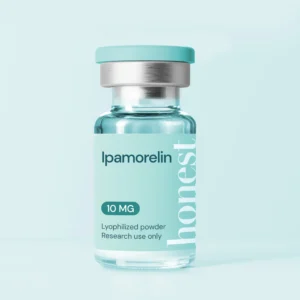
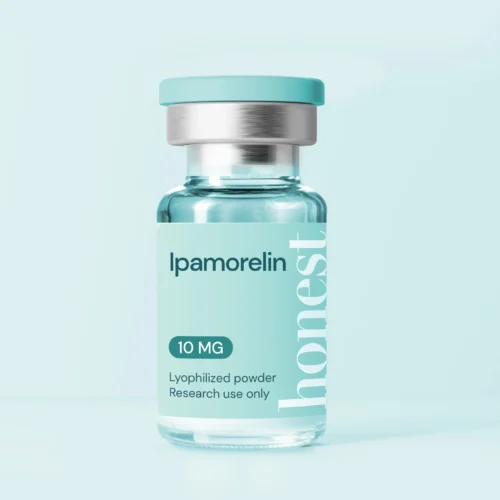
Ipamorelin 10mg CAS: 170851-70-4
Current Batch Results
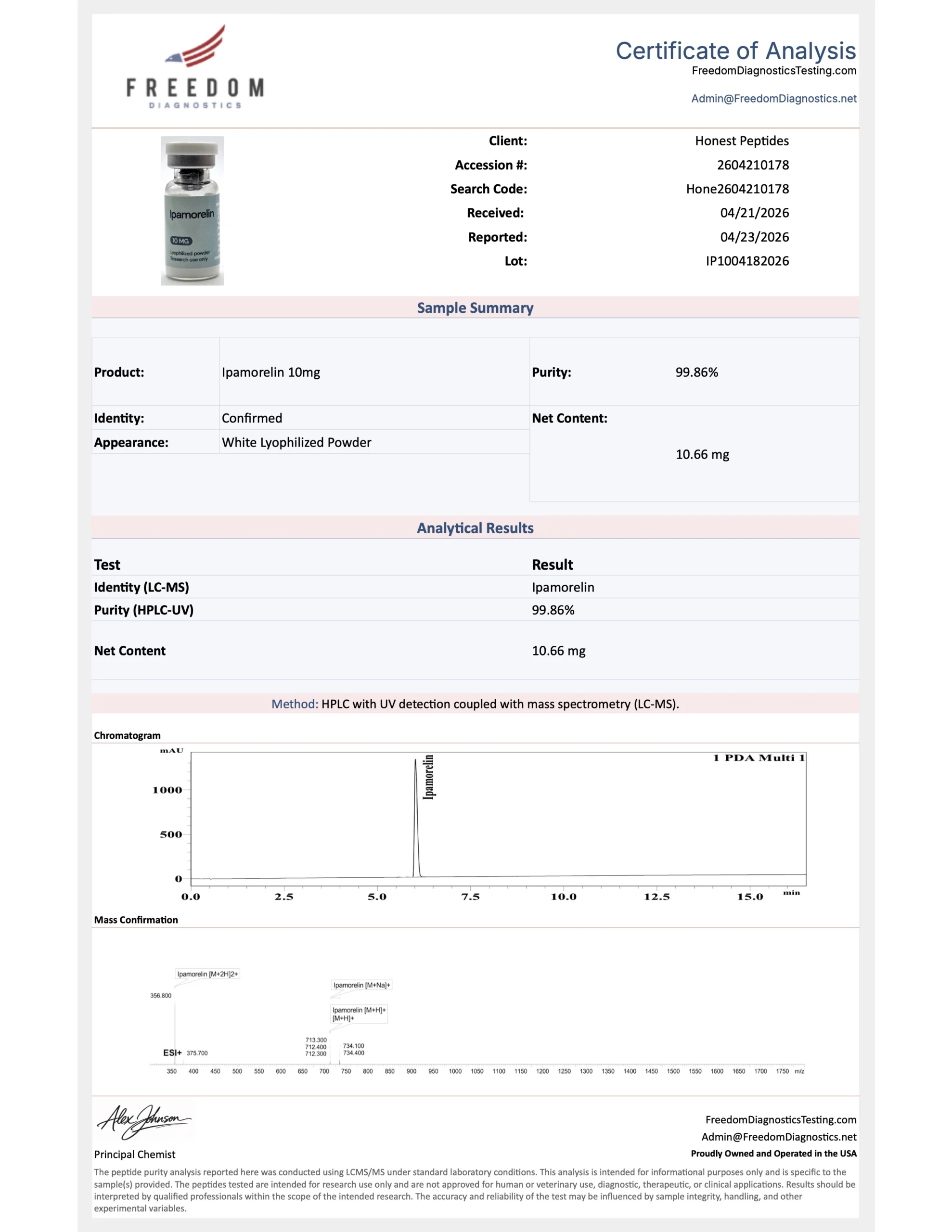
Verified test results for the current batch
Batch number IP1004182026
99.86% Purity
10.66mg Net peptide
APR26 Date
-
 Identity (M-S) passed
- Heavy metals cleared
- Purity (HPLC) Passed

For research use only
Not for human or animal consumption
Every Batch 3rd Party Tested
Free shipping on orders above $120
2-Day Shipping




CAS 170851-70-4
 Identity (M-S) passedHeavy metals clearedPurity (HPLC) Passed
 Volume pricing Save up to 15% with quantity-based pricing. Discounts are applied automatically in cart.
| Quantity | Discount | Per item price |
|---|---|---|
| 1Current Tier | 0% | $49.00 |
| 2 - 5Current Tier | 5% | $46.55 |
| 6 - 10Current Tier | 10% | $44.10 |
| 11 - 15Current Tier | 15% | $41.65 |
Ipamorelin
1 item selected
Testing
Review current lot-specific analytical results and supporting documentation for each available strength.
Verified test results for the current batch
Identity (M-S) passed Heavy metals cleared Purity (HPLC) PassedProcess
A documented, step-by-step process designed to ensure consistency, transparency, and traceability
Representative samples are selected from each production lot
Samples are submitted to a qualified third-party laboratory for analytical testing
Analytical results are reviewed against our internal release specifications
Results and supporting documentation are published online before shipment
Research
Explore key technical details, molecular characteristics, and research context for this compound.
Ipamorelin was developed in the late 1990s during efforts to refine growth hormone secretagogues—compounds designed to stimulate endogenous growth hormone release. Earlier secretagogues could also affect ACTH, cortisol or prolactin, making it difficult to isolate growth hormone signaling in experimental models. In 1998, researchers described ipamorelin as a selective pentapeptide secretagogue that produced growth hormone release with comparatively little ACTH or cortisol response.¹ A human pharmacokinetic–pharmacodynamic study followed in 1999, characterizing its short exposure profile and dose-related growth hormone response.² Subsequent animal studies examined bone growth, bone formation and metabolic effects, while a later Phase 2 trial evaluated ipamorelin in postoperative ileus.³ ⁴ ⁵ The clinical endpoint in that trial was not significantly improved, illustrating the difference between measurable hormone release and proven therapeutic benefit. This development history established ipamorelin as a useful research tool for separating ghrelin-receptor-mediated growth hormone release from broader pituitary hormone activity. It remains investigational, and long-term controlled human evidence is limited.

Ipamorelin activates growth hormone secretagogue receptor 1a (GHSR-1a), the receptor normally stimulated by ghrelin. Receptor activation on pituitary somatotroph cells produces a rapid, short-lived increase in growth hormone release.⁶ ² ⁷ A defining feature is relative endocrine selectivity. In early animal and human studies, ipamorelin stimulated growth hormone at exposures that produced comparatively little ACTH, cortisol or prolactin response.⁶ ² This makes it useful for examining GHSR-mediated growth hormone signaling with less interference from other pituitary pathways. GHSR-1a and the GHRH receptor use distinct upstream signals. Experimental research on growth hormone secretagogues indicates that simultaneous GHSR and GHRH stimulation can produce a larger growth hormone response than either pathway alone.⁸ ⁹ ¹⁰ Growth hormone can then promote downstream IGF-1 production, although evidence cited for sustained IGF-1 elevation often comes from GHRH-analog studies rather than ipamorelin alone.¹¹ The receptor-level mechanism is supported by preclinical and acute human research, but long-term functional outcomes and chronic safety remain less well characterized.
Information
Answers to common questions about research use, testing, storage, ordering, and documentation.
Ipamorelin is supplied as a dry, lyophilized (freeze-dried) powder and should be white in color. If the material appears inconsistent with its documented specifications, contact our team for verification.
Every batch undergoes independent third-party analytical testing. Testing includes mass spectrometry for identity, HPLC for purity, net peptide content, heavy metals, fentanyl screening, and endotoxin testing. Full results are published in the applicable batch-specific COA or laboratory report.
Every batch must meet our release specifications before being made available for sale: confirmed molecular identity, ≥99% HPLC purity, peptide content no more than 10% below the stated amount, and successful completion of all applicable contaminant testing.
Locate the batch number printed on your product box, then scan the QR code on the vial to access our COA Library and find the matching report. Batch-specific COAs are also available directly on the product page. Each report contains independent third-party testing results, and previous batch reports are retained for historical reference
No. Ipamorelin is sold individually and does not include solvents or other accessories.
Ipamorelin should be kept tightly sealed and protected from moisture, light, and repeated temperature fluctuations. For shorter-term storage, refrigeration at 2–8°C may be appropriate, while freezer storage at approximately −20°C may be appropriate for longer-term preservation.
Orders placed on weekdays before our daily shipping cutoff typically ship the same business day. Orders placed after the cutoff, on weekends, or on holidays typically ship the next business day. Tracking is emailed once your order ships.
If there is a problem with your order, contact us within 30 days of delivery. Depending on the circumstances, we’ll arrange an appropriate replacement or refund.
Sale of this product is restricted to qualified researchers, laboratories, and research institutions. This material is supplied solely for controlled research use and is not intended for human consumption, veterinary use, therapeutic use, or clinical application. Purchase constitutes confirmation that the buyer is appropriately qualified and will use the material only for research purposes.
Our Quality Standards
Explore our testing methods and batch release requirements.