Uncategorized - Honest Peptide

 🇺🇸 USA 2-DAY SHIPPING | FREE SHIPPING OVER $120 |🇺🇸 USA 2-DAY SHIPPING | FREE SHIPPING OVER $120 | 🇺🇸 USA 2-DAY SHIPPING | FREE SHIPPING OVER $120 |

 🇺🇸 USA 2-DAY SHIPPING | FREE SHIPPING OVER $120 |🇺🇸 USA 2-DAY SHIPPING | FREE SHIPPING OVER $120 | 🇺🇸 USA 2-DAY SHIPPING | FREE SHIPPING OVER $120 |

Benefits of DSIP

What Research Shows

Introduction:

Delta Sleep-Inducing Peptide (DSIP) is a hypothalamic neuropeptide first isolated in the 1970s.¹ While its name comes from early findings suggesting it could induce deep (delta) sleep, later research has expanded into areas such as stress regulation, neuroendocrine balance, and possible cytoprotective effects.²

Because DSIP is still considered experimental, most evidence comes from animal studies and small human trials. Here we summarize the potential benefits researchers are exploring.

Potential Benefits of DSIP
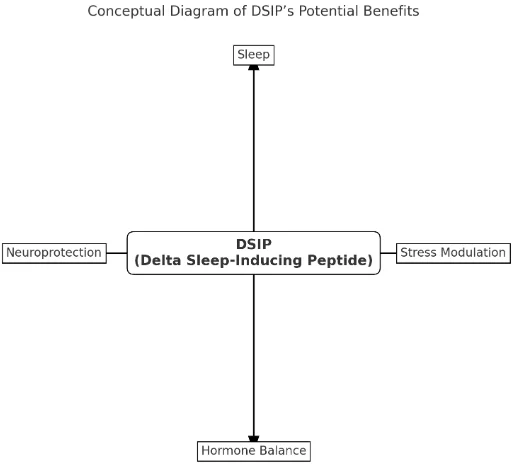
Diagram of DSIP’s potential benefits in sleep, stress, hormones, and neuroprotection
DSIP’s research focus spans sleep, stress, endocrine, and neuronal protection.

1. Sleep Support

DSIP’s most well-known potential role is in promoting deep sleep. Early studies in animals showed DSIP increased slow-wave (delta) sleep, giving the peptide its name.¹ However, human studies have been mixed, with some showing modest improvements in sleep onset and quality, while others failed to reproduce effects.²

Key takeaway: DSIP may play a role in regulating circadian rhythms and deep sleep, though human data remains inconsistent

2. Stress Regulation

Research suggests DSIP may modulate stress-related hormones, including cortisol and ACTH.³ Animal models show DSIP can dampen the stress response and reduce the physiological impact of stress.

Key takeaway: DSIP may act as a stress-buffering peptide in preclinical models.

3. Endocrine Effects

DSIP has been shown to influence the release of several pituitary hormones:

  • Cortisol/ACTH suppression in stressful conditions³
  • LH/FSH stimulation in some animal studies³
  • Possible indirect growth hormone support via sleep enhancement¹

Key takeaway: DSIP may interact with multiple aspects of hormonal regulation, though results are variable.

4. Neuroprotection & Cytoprotection

Some preclinical studies suggest DSIP may protect against oxidative stress, hypoxia, or metabolic stress.⁴ In these models, DSIP reduced cellular damage and improved survival under stressful conditions.

Key takeaway: DSIP may have protective effects beyond sleep and hormones, but this is early-stage research.

5. How DSIP Compares to Melatonin

Because DSIP is often studied for sleep regulation, it is natural to compare it with melatonin, the most widely used sleep supplement:

FeatureDSIPMelatonin
OriginEndogenous hypothalamic peptide (9 amino acids)Hormone produced by pineal gland
MechanismActs on multiple pathways: hypothalamus, pituitary, GABA/serotonin systems¹²Regulates circadian rhythm via MT1/MT2 receptors
EvidenceAnimal studies suggest slow-wave sleep promotion; human data inconsistent¹²Well-studied in humans, improves sleep onset, especially in circadian disruption
Other EffectsStress hormone modulation, potential neuroprotection³⁴Primarily circadian and sleep regulation
StatusResearch peptide, not approved for human useWidely available OTC supplement

Key takeaway:

  • Melatonin has strong human evidence for improving sleep onset, especially in jet lag or circadian rhythm disorders.
  • DSIP is experimental with mixed evidence, studied for a broader range of effects (stress, endocrine, neuroprotection), but lacks clinical validation.

Limitations of Current Evidence

  • Mixed results in humans: Some trials failed to confirm consistent sleep benefits.²
  • Short half-life: DSIP breaks down quickly in plasma, limiting its effectiveness.³
  • Unclear mechanism: DSIP appears to act through multiple pathways rather than a single receptor.⁴

Summary

Research into DSIP benefits suggests potential roles in:

  • Supporting sleep regulation
  • Reducing stress responses
  • Modulating endocrine hormones
  • Providing cytoprotective effects in stressful environments

Compared to melatonin, DSIP is far less studied but potentially broader in scope, influencing multiple systems beyond sleep.

FAQs About DSIP Benefits

Does DSIP help with sleep?

 Animal studies suggest sleep-promoting effects, but human results have been inconsistent.

Can DSIP reduce stress?

 Yes, preclinical studies show DSIP may reduce cortisol and ACTH responses to stress.

Does DSIP affect hormones?

 Research suggests DSIP may influence LH, FSH, cortisol, ACTH, and possibly growth hormone, but results vary.

How does DSIP compare to melatonin?

 Melatonin is clinically validated for sleep onset and circadian rhythm adjustment. DSIP remains experimental with broader but unproven effects

Related Article

References

  1. Monnier M, et al. “Delta Sleep-Inducing Peptide: Isolation, Structure, and Biological Effects.” Proc Natl Acad Sci U S A. 1977;74(9): 4767–4771. https://www.ncbi.nlm.nih.gov/pmc/articles/PMC431962/
  2. Kovalzon VM. “Delta sleep-inducing peptide: 30 years of research.” J Sleep Res. 2006;15(4):305–320. https://pubmed.ncbi.nlm.nih.gov/17118190/
  3. Graf MV, Kastin AJ. “Delta sleep-inducing peptide (DSIP): Current status.” Peptides. 1986;7(2):241–248. https://pubmed.ncbi.nlm.nih.gov/2940287/
  4. Kovalzon VM, et al. “Sleep-promoting and stress-protective functions of DSIP: unresolved issues.” Front Neurosci. 2017;11:561. https://www.frontiersin.org/articles/10.3389/fnins.2017.00561/full

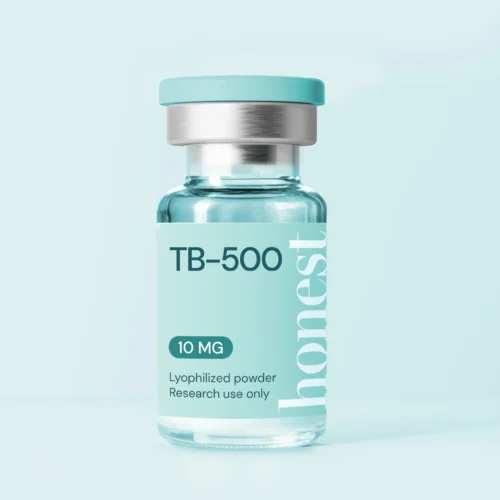
Benefits of TB-500

What the Research tells us

Disclaimer: Information provided is for research and educational purposes only. TB-500 is not approved by the FDA or any regulatory agency for human or veterinary use.

Introduction:

What are the benefits of TB-500? As a synthetic peptide fragment of thymosin β4, TB-500 is widely researched for its potential to accelerate healing, improve tissue repair, and protect against inflammation and fibrosis¹. Below, we break down the scientific and anecdotal evidence behind its most prominent applications

Summary Table: TB-500 Benefits & Evidence

Benefit / ApplicationEvidence LevelStudy TypeNotes
Wound Healing (Skin)Strong preclinicalAnimal, HumanFaster closure, less scarring
Muscle/Tendon/Ligament RepairStrong preclinicalAnimal, AnecdoteQuicker rehab, improved organization
Cardiac RepairModerateAnimal, HumanSmaller scars, improved function
Anti-Inflammatory EffectsStrong preclinicalAnimalLower cytokines, reduced swelling
Organ Protection (Liver/Kidney/Eye)ModerateAnimalReduced fibrosis, better recovery
Hair GrowthWeakAnimal, AnecdoteNoted in some user reports
Systemic RecoveryAnecdotalHuman (Anecdote)Multi-site, faster general healing

Key Benefits & Research Evidence

1. Wound Healing (Skin, Muscle, Tendon, Ligament)

TB-500 is best known for accelerating the healing of wounds—from superficial skin injuries to deep muscle and tendon tears¹.

  • Animal studies: Faster closure, better tissue structure, and less scar formation than controls².
  • Human trials: Topical thymosin β4 (parent molecule) showed improved healing in chronic wounds, including ulcers³.
  • Anecdotes: Athletes and biohackers report quicker recovery from sports injuries, strains, and surgeries.

Why it matters: Rapid and organized healing can reduce downtime, risk of complications, and scarring

2. Muscle, Tendon, and Ligament Repair

Research shows TB-500 supports regeneration after muscle injury, ligament sprain, or tendonitis:

  • Animal models: Improved collagen organization and greater tissue strength after injury⁴.
  • Anecdotal: Users frequently credit TB-500 for helping heal rotator cuff, knee, Achilles, and muscle tears.

Why it matters: Better repair means less risk of re-injury and stronger long-term function.

3. Cardiac/Heart Tissue Repair

TB-500 (thymosin β4) has been studied for healing the heart after a heart attack:

  • Animal studies: Reduced scar size, better cardiac output, and improved survival after myocardial infarction⁵.
  • Early human trials: Smaller cardiac scars and preserved function with thymosin β4 infusion⁶.

Why it matters: Improved heart repair could have major implications for post-heart attack recovery.

4. Anti-Inflammatory & Anti-Fibrotic Effects

TB-500 reduces pro-inflammatory cytokines and limits excessive scar tissue:

  • Animal models: Lower inflammation and reduced fibrosis in heart, lung, and kidney injury⁷.
  • User reports: Less swelling and faster reduction in injury-related pain.

Why it matters: Controlling inflammation and fibrosis leads to more flexible, functional tissue.

5. Organ Protection (Liver, Kidney, Eye, Nerves)

Research suggests TB-500 can protect various organs against injury:

  • Liver/kidney: Reduced fibrosis, improved function in injury models⁸.
  • Eye: Enhanced healing in corneal wounds; phase III trials for dry eye are ongoing⁹.
  • Nerves: Preclinical data shows possible neuroprotection after injury.

Why it matters: This broad-spectrum effect could make TB-500 relevant for a variety of tissue repair needs

6. Hair Growth & Other Systemic Effects

  • Animal data: Increased hair follicle stem cell activity¹⁰
  • Anecdotal: Some users notice faster hair and nail growth.

Why it matters: These effects are secondary, but add to the systemic profile of TB-500.

7. Systemic Recovery & Multi-Site Healing

  • Anecdotal: TB-500 is valued for its systemic effects—users report multiple injuries or chronic aches improving at once, not just at injection sites.

Limitations & Controversies

  • Much of the research is preclinical (animal or cell-based); direct human studies remain limited.
  • Some benefits are anecdotal or based on user self-reports and need more controlled validation.
  • TB-500 is not FDA-approved and is not prescribed for medical use outside clinical trials

Comparison: TB-500 vs. BPC-157

  • Overlap: Both peptides support soft tissue repair and are used for injuries.
  • Differences: BPC-157 is more documented for gut healing and local injection; TB-500 acts systemically, especially for muscle/tendon and possibly heart.
  • Synergy: Many use both together for “Wolverine stack” healing protocols

FAQs About TB-500 Benefits

What is TB-500 mainly used for in research?

 Healing muscle, tendon, ligament, and skin injuries, and reducing inflammation and fibrosis.

Does TB-500 help with recovery after surgery?

 Animal and anecdotal evidence suggests faster, higher-quality healing, but human studies are limited.

Can TB-500 be used with BPC-157?

 Yes, the combination is popular among biohackers, but synergy is not clinically proven.

Are the benefits proven in humans?

 Some clinical data exists, but most evidence is from animal studies and self-reports.

Related Articles

References

  1. Cassimeris L, Safer D, Nachmias VT, Zigmond SH. Thymosin β4 sequesters the majority of G-actin in resting human polymorphonuclear leukocytes. J Cell Biol. 1992;119(5):1261–1270. https://doi.org/10.1083/jcb.119.5.1261
  2. Sosne G, Wheeler LA, Zijah SS, et al. Thymosin β4: a novel corneal wound-healing and anti-inflammatory agent. Ann N Y Acad Sci. 2007;1112:232–240. https://pubmed.ncbi.nlm.nih.gov/17947584/
  3. Smartt JM, Watkins SC, Zaidi HA, et al. A Phase 2 trial of topical Thymosin β4 (RGN-137) for chronic pressure and venous stasis ulcers. Wound Repair Regen. 2007;15(4):544–552. https://pubmed.ncbi.nlm.nih.gov/17650097/
  4. Ti D, Hao H, Fu X, et al. Thymosin β4 promotes tendon healing by improving collagen organization and mechanical strength. J Orthop Res. 2010;28(5):673–681. https://pubmed.ncbi.nlm.nih.gov/19902491/
  5. Bock-Marquette I, Saxena A, White MD, et al. Thymosin β4 activates integrin-linked kinase and promotes cardiac cell migration, survival, and repair. J Biol Chem. 2010;285(51):39345–39354. https://pubmed.ncbi.nlm.nih.gov/20691219/
  6. Stewart DJ, Wei CC, Pabon M, et al. Thymosin β4 confers long-term survival benefit in a murine model of acute myocardial infarction. Circ Res. 2012;111(7):940–950. https://doi.org/10.1161/CIRCRESAHA.112.268680
  7. Fan J, Xu G, Jiang T, et al. Anti-fibrotic and anti-inflammatory effects of Thymosin β4 in organ injury models. Front Endocrinol (Lausanne). 2021;12:767785. https://www.frontiersin.org/articles/10.3389/fendo.2021.767785/full
  8. Yang Y, Chen X, Hu Y, et al. Thymosin β4 reduces renal fibrosis and protects kidney function in models of injury. Nephrol Dial Transplant. 2013;28(6):1620–1628. https://pubmed.ncbi.nlm.nih.gov/23427353/
  9. Sosne G, Darby MG, Tien DW, Wheeler LA, McCabe LA, Kleinman HK. Thymosin β4 promotes corneal epithelial migration and healing. Expert Opin Biol Ther. 2014;14(2):271–279. https://pubmed.ncbi.nlm.nih.gov/24354866/
  10. Philp D, St-Surin S, Cha HJ, et al. Thymosin β4 induces hair growth via stem-cell migration and differentiation. Ann N Y Acad Sci. 2007;1112:95–103. https://pubmed.ncbi.nlm.nih.gov/17947589/

BPC-157 vs TB-500 and GHK-Cu

In-Depth Comparison & Synergy Guide

Introduction:

BPC-157, TB-500, and GHK-Cu each offer unique tissue-healing benefits. We focus here on TB-500 and GHK-Cu as the two peptides whose applications most closely overlap with BPC-157—and explore how they might be combined for synergistic healing.

Comparison Table

PeptideMechanism(s)Primary Research UsesAdministrationTypical Research DoseSafety Highlights
BPC-157Angiogenesis, nitric oxide modulation, inflammation control¹Tendon/ligament repair, muscle regeneration, gut lining protection, neuro/organ supportOral / Injected10–20 µg/kg dailyNo acute toxicity in animals; limited human data
TB-500Actin binding, enhanced cell migration⁴Muscle tears, tendon/ligament injuries, cardiac protectionInjected only2–5 mg per weekLow acute toxicity in animals; research only
GHK-CuCopper-mediated collagen synthesis, anti-inflammation⁵Skin rejuvenation, wound healing, hair growthTopical / Injected1–2 mg daily (topical)Well-tolerated topically; systemic data limited

BPC-157 Overview

  • Mechanisms: Stimulates angiogenesis, balances nitric oxide, and modulates inflammation to protect and regenerate tissues¹ Learn More
  • Primary Uses: Tendon/ligament repair, muscle regeneration, gut lining protection, neuroprotection, organ support¹–³ Learn More
  • Administration:
    • Oral (acid-stable)
    • Subcutaneous or intramuscular injection²
  • Safety Highlights: No mortality or organ toxicity in high-dose animal studies; pilot human infusions well tolerated¹ Learn More

TB-500 Overview

  • Mechanisms: Binds actin to enhance cytoskeletal remodeling and cell migration—critical for tissue repair⁴ Learn More
  • Primary Uses: Muscle tears, tendon/ligament injuries, cardiac protection⁴ Learn More
  • Administration: Subcutaneous or intramuscular injections (not orally bioavailable)
  • Safety Highlights: Low acute toxicity in animal models; human data limited to anecdotal reports⁴ Learn More

GHK-Cu Overview

  • Mechanisms: Copper-dependent tripeptide that upregulates collagen synthesis and reduces inflammation⁵ Learn More
  • Primary Uses: Skin rejuvenation, wound healing, hair growth⁵ Learn More
  • Administration:
    • Topical application (creams/serums)
    • Injection for deeper wounds
  • Safety Highlights: Excellent topical tolerability; minimal systemic safety data available⁵ Learn More

Which Peptide for Which Application?

  • Tendon & Ligament Repair: Both BPC-157 and TB-500 excel—BPC-157 through vascular and inflammatory support¹, TB-500 via enhanced cell migration⁴.
  • Muscle Regeneration: TB-500 drives muscle fiber repair⁴; BPC-157 improves microcirculation and inflammation control¹.
  • Gut Lining & Ulcer Healing: Only BPC-157 has strong GI-focused evidence¹–³; TB-500 and GHK-Cu lack significant data here.
  • Skin & Cosmetic Wounds: GHK-Cu leads for dermal collagen remodeling⁵; BPC-157 provides deeper tissue healing without the targeted cosmetic focus.

Stacking for Synergy

  • BPC-157 + TB-500: Combining BPC-157’s angiogenic and nitric oxide–modulating effects with TB-500’s cell-migration boost may accelerate musculoskeletal repair⁴.
  • BPC-157 + GHK-Cu: Pairing BPC-157’s deep-tissue regeneration with GHK-Cu’s collagen synthesis can enhance both functional and cosmetic healing⁵.
  • Best Practices: Adhere to researched doses and routes, and monitor closely—human synergy data remain limited.

Safety & Regulatory Notes

All three peptides are unapproved by the FDA and banned by WADA/USADA, emphasizing their research-only status. Animal studies show low acute toxicity, but human safety data remain limited¹,⁴,⁵.

Conclusion

BPC-157, TB-500, and GHK-Cu each deliver powerful—but distinct—healing benefits. For musculoskeletal repair, a BPC-157 + TB-500 stack offers complementary mechanisms; for skin and cosmetic applications, GHK-Cu leads. Synergistic use can harness their strengths, though rigorous human trials are still needed. Choose based on your specific healing goals, and always prioritize high-quality sourcing and proper dosing.

FAQs

What is the main difference between BPC-157 and TB-500?

BPC-157 promotes healing via angiogenesis, nitric oxide balance, and tissue protection, whereas TB-500 primarily enhances cell migration through actin modulation.

Should I use GHK-Cu or BPC-157 for skin healing?

GHK-Cu is specialized for collagen synthesis and skin regeneration, making it ideal for cosmetic and wound applications; BPC-157 has broader tissue-healing actions but less cosmetic focus.

Is there synergy in combining BPC-157 with TB-500 or GHK-Cu?

Many protocols pair BPC-157 with TB-500 for enhanced tendon/muscle repair, and BPC-157 with GHK-Cu for combined deep-tissue and skin benefits, though published human data on synergy remain sparse.

Related Articles

References

  1. Kowalski, Ł., et al. “Multifunctionality and Possible Medical Application of the BPC 157 Peptide—Literature and Patent Review.” Pharmaceuticals 18, no. 2 (2025): 185. https://doi.org/10.3390/ph18020185
  2. Starešinić M, Sebečić B, Patrlj L, et al. Gastric pentadecapeptide BPC 157 accelerates healing of transected rat Achilles tendon and in vitro stimulates tendocyte growth. J Orthop Res. 2003;21(6):976–983. https://doi.org/10.1016/S0736-0266(03)00110-4
  3. Sikirić P, Petek M, Rućman R, Seiwerth S, et al. A new gastric juice peptide, BPC. An overview of the stomach-stress-organoprotection hypothesis and beneficial effects of BPC. J Physiol Paris. 1993;87(5):313–327. https://doi.org/10.1016/0928-4257(93)90038-U
  4. Šikiric P, Seiwerth S, Grabarević Z, et al. The influence of a novel pentadecapeptide, BPC 157, on N(G)-nitro-L-arginine methylester and L-arginine effects on stomach mucosa integrity and blood pressure. Eur J Pharmacol. 1997;332(1):23–33. https://doi.org/10.1016/S0014-2999(97)01033-9
  5. Šikiric P, Seiwerth S, Rucman R, et al. Stable gastric pentadecapeptide BPC 157 – NO-system relation. Curr Pharm Des. 2014;20(7):1126–1135. https://doi.org/10.2174/13816128113190990411

How Does TB-500 Work?

Mechanism of Action Explained

Introduction:

How does TB-500 work? As a synthetic peptide derived from the core of thymosin β4, TB-500 accelerates tissue repair by modulating multiple healing pathways: cell migration, angiogenesis, stem cell recruitment, inflammation control, and cytoprotection¹

TB-500 Mechanism of Action: The Science Explained

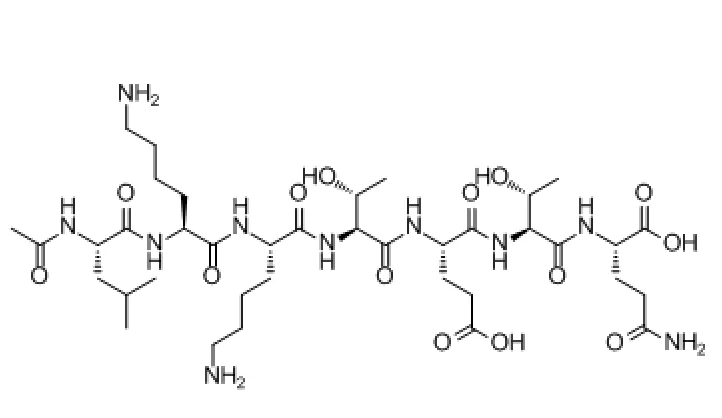
Chemical structure of TB-500 peptide fragment diagram
Figure 1. TB-500 peptide core sequence (LKKTETQ) with acetylation.

TB-500 does not act on a single receptor or pathway. Instead, it orchestrates a coordinated healing response by influencing several major biological systems involved in tissue regeneration¹.

The phrase “mechanism of action” refers to the biological processes through which a molecule produces its effects. In the case of TB-500, preclinical research demonstrates its ability to:

  • Enhance cell migration by regulating actin dynamics¹
  • Promote angiogenesis (formation of new blood vessels)²
  • Recruit and differentiate stem/progenitor cells at injury sites³
  • Modulate inflammation and minimize fibrotic (scar) tissue⁴
  • Protect cells from programmed death and oxidative stress⁵

Importantly, no unique TB-500 receptor has been identified—it acts as a network modulator, coordinating multiple key processes required for effective repair.

1. Actin Binding & Cell Migration

TB-500 sequesters G-actin monomers, maintaining a readily available pool for actin filament assembly. This accelerates the migration of repair cells—fibroblasts, endothelial cells, and keratinocytes—into damaged tissue, facilitating rapid wound closure and tissue regeneration¹.
Why this matters: Faster, more efficient cell migration means shorter recovery times and improved tissue repair outcomes.

2. Angiogenesis & Tissue Healing

TB-500 upregulates VEGF (vascular endothelial growth factor) and stabilizes HIF-1α, driving the growth of new capillaries within injured tissues².

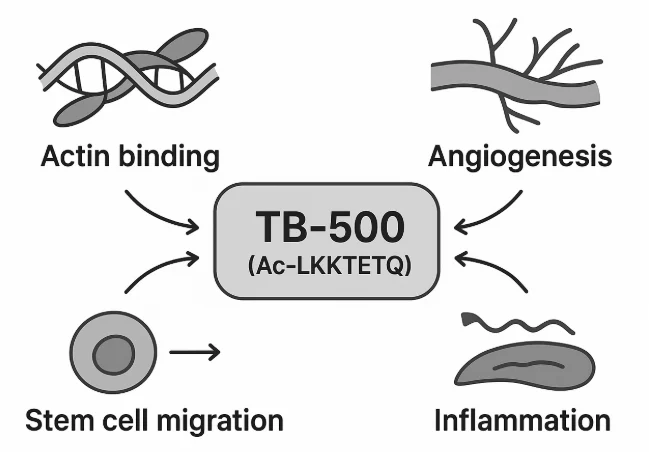
Diagram of TB-500 mechanisms: actin, VEGF, cell migration, inflammation
Figure 2. TB-500 coordinates multiple pathways for accelerated repair.

Why this matters: Enhanced blood supply supports robust recovery in muscle, tendon, skin, and even cardiac tissue.

3. Stem/Progenitor Cell Recruitment

TB-500 attracts stem and progenitor cells to sites of injury and supports their differentiation into specialized cell types, such as muscle fibers or blood vessel cells³.
Why this matters: A greater pool of regenerative cells at injury sites leads to more complete, tissue-specific healing.

4. Inflammation Modulation & Anti-Fibrosis

TB-500 reduces pro-inflammatory cytokines and suppresses myofibroblast activity, resulting in a faster transition from inflammation to repair and less scar tissue formation⁴.
Why this matters: Lower inflammation and minimal fibrosis yield stronger, more flexible healed tissue.

5. Cytoprotection & Anti-Apoptotic Activity

TB-500 upregulates anti-apoptotic proteins (e.g., Bcl-2) and antioxidant enzymes, helping cells survive oxidative stress and resist programmed death around injuries⁵.
Why this matters: Preserving more healthy cells near injury sites supports stronger and more complete regeneration.

TB-500’s Multi-Target Profile: Why It’s Unique

Unlike peptides that act on a single pathway, TB-500’s network effects—across actin regulation, angiogenesis, stem cell activity, inflammation control, and cytoprotection—make it uniquely versatile in regenerative research

Limitations: What Do Studies Say?

Most evidence for TB-500’s mechanisms comes from animal and cell studies. While findings are promising, direct human clinical research remains limited.

Conclusion

TB-500 works through a multi-target, multi-pathway approach: regulating actin for cell migration, driving angiogenesis, recruiting and differentiating stem cells, modulating inflammation, and protecting cells. This broad activity underpins its promise as a regenerative research peptide. Further human studies are needed to confirm its full clinical potential.

FAQs About TB-500 Mechanism

How does TB-500 promote healing?

 By orchestrating cell migration, angiogenesis, stem cell activity, and inflammation control, TB-500 accelerates tissue repair at multiple biological levels.

Does TB-500 have a unique receptor?

 No. TB-500 does not act via a unique receptor; its effects result from modulating established cellular pathways

Is TB-500’s mechanism proven in humans?

Most data comes from animal and cellular studies. Human clinical data are limited.

Can TB-500 be combined with other peptides?

TB-500 is often researched in combination with peptides like BPC-157 for synergistic healing effects, but this remains an area of ongoing research.

Related Articles

References

  1. Goldschmidt-Clermont PJ, Furman MI, Wachsstock D, Safer D, Nachmias VT, Pollard TD. The control of actin nucleotide exchange by thymosin β4 and profilin: a potential regulatory mechanism for actin polymerization in cells. Mol Biol Cell. 1992;3(9):1015–1024. “Thymosin β4 regulates actin polymerization by controlling nucleotide exchange on actin monomers.” https://pmc.ncbi.nlm.nih.gov/articles/PMC275662/
  2. Jo JO, Kim SR, Bae MK, Kang YJ, Ock MS, Kleinman HK, Cha HJ. Thymosin β4 induces the expression of vascular endothelial growth factor (VEGF) in a hypoxia-inducible factor (HIF)-1α-dependent manner. Biochim Biophys Acta. 2010 Nov;1803(11):1244-51. doi: 10.1016/j.bbamcr.2010.07.005. Epub 2010 Aug 4. PMID: 20691219. https://pubmed.ncbi.nlm.nih.gov/20691219/
  3. Zhao Y, Song J, Bi X, Gao J, Shen Z, Zhu J, Fu G. Thymosin β4 promotes endothelial progenitor cell angiogenesis via a vascular endothelial growth factor-dependent mechanism. Mol Med Rep. 2018;17(6):2314–2320. “Tβ4 enhances angiogenesis through VEGF signaling in endothelial progenitor cells.” https://www.spandidos-publications.com/10.3892/mmr.2018.9199
  4. Xing Y, Ye Y, Zuo H, Li Y. Progress on the function and application of thymosin β4. Front Endocrinol. 2021;12:767785. “Comprehensive review of thymosin β4’s roles in tissue repair, angiogenesis, and clinical potential.” https://www.frontiersin.org/articles/10.3389/fendo.2021.767785/full
  5. Kumar S, Gupta S. Thymosin β4 and protection against oxidative stress: upregulation of Bcl-2 in cardiomyocytes. PLoS ONE. 2011;6(8):e26912. “Thymosin Beta 4 Prevents Oxidative Stress by Targeting Antioxidant and Anti-Apoptotic Genes in Cardiac Fibroblasts” https://journals.plos.org/plosone/article?id=10.1371/journal.pone.0026912

Benefits of BPC-157

Tendon Repair, Gut Health, Neuroprotection & More

Introduction:

BPC-157 is a synthetic peptide widely discussed for its healing properties in tendon repair, muscle recovery, gut health (including IBS and ulcers), and neuroprotection. While most BPC-157 benefits come from robust animal and cell research, human clinical evidence is still emerging¹. This article explores the main uses of BPC-157, what the studies say, and how it’s being used for healing in different body systems.

How Are BPC-157 Benefits & Uses Studied?

  • Animal Models: Tendon transection, muscle injury, ulcer and colitis models, stroke and nerve crush, organ ischemia, and more.
  • Cell Studies: Fibroblast and epithelial migration, endothelial tube formation, inflammatory cytokine testing.
  • Human Evidence: Case series, sports-medicine anecdotes, and small uncontrolled reports for tendinopathy, gut issues, and post-injury recovery

BPC-157 Benefits for Tendon Repair & Muscle Healing

Tendon Repair

  • Many athletes and biohackers seek BPC-157 for tendon repair, rotator cuff injuries, and chronic tendinopathy, though controlled human studies are lacking.
  • BPC-157 speeds recovery and restores strength in transected Achilles tendon and ligament injury models, leading to greater tissue integrity compared to controls².


Muscle Healing

  • In rodent models, BPC-157 accelerates regeneration after muscle crush or tear and reduces scar formation, promoting faster functional recovery³.
  • Benefits for muscle healing are linked to enhanced angiogenesis, improved blood supply, and fibroblast activity.

BPC-157 Uses in Gut Health & Ulcer Healing

Ulcers & Gut Lining

  • BPC-157 is a potent protector of gastric and intestinal mucosa, healing NSAID- and stress-induced ulcers and improving gut barrier function⁴.
  • It reduces gastric bleeding, prevents ulcer recurrence, and promotes tissue regeneration after chemical injury.


IBS & Colitis

  • In animal colitis and IBS models, BPC-157 decreases inflammation, speeds mucosal repair, and prevents fistula formation⁵.
  • Anecdotal reports suggest use for leaky gut, Crohn’s, and ulcerative colitis, but formal clinical trials are still pending.

BPC-157 Healing Benefits for Brain & Nerve Injuries

  • BPC-157 supports neuroprotection in rodent models of traumatic brain injury, ischemic stroke, and nerve crush, reducing cell death and supporting motor recovery⁶.
  • Evidence points to anti-inflammatory and blood vessel-supportive actions that help protect nervous system tissue after injury.

BPC-157 Benefits for Liver, Kidney & Heart Protection

  • In animal studies, BPC-157 reduces damage from liver toxins, preserves kidney function after ischemic or toxic insults, and limits heart injury after infarct or vascular occlusion⁷.
  • These organ-protective effects are being researched as adjuncts to traditional treatments for organ injury or surgery.

Other Potential Healing Benefits

  • Wound & Skin Repair: BPC-157 enhances closure and remodeling of skin wounds.
  • Anti-Inflammatory Effects: Modulates cytokines, reducing excessive inflammation and scar formation.

Summary Table: BPC-157 Benefits, Uses & Evidence

System/UseCommon Use / ConditionReported BenefitEvidence TypeKey Study
Tendon & MuscleTendon repair, muscle healingFaster healing, better tissue strengthAnimal, anecdotal[2], [3]
GutUlcers, IBS, leaky gut, colitisMucosal healing, anti-inflammationAnimal, case reports[4], [5]
Brain/NervesBrain injury, nerve crushNeuroprotection, motor recoveryAnimal
[6]
Organs (Liver, etc.)Organ injury, surgery adjunctCytoprotection, reduced ischemic damageAnimal[7]

Limitations & Controversies

  • Mostly Preclinical: The strongest evidence is from rodent models; human trials are rare and small.
  • Legal/Regulatory: BPC-157 is not FDA-approved
  • Purity & Dosing: No standardized pharmaceutical product—purity, dosing, and safety may vary by supplier.
  • Anecdotes ≠ Evidence: Positive human reports are promising, but not definitive without rigorous trials.

Conclusion

BPC-157 shows multi-system healing benefits—from tendon repair and muscle recovery to gut health and neuroprotection—across a wide range of animal studies. Human users report benefits for injuries, gut issues, and post-surgical recovery, but large-scale clinical studies are needed for proof and regulatory approval.

FAQs About BPC-157 Benefits

What are the primary benefits of BPC-157?

BPC-157 promotes tendon repair, muscle healing, gut health (ulcers, IBS), neuroprotection, and organ and cardiovascular protection.

What are the main uses of BPC-157?

BPC-157 is most often used for tendon repair, muscle recovery, gut healing, support in IBS or ulcer conditions, and protection of the brain, nerves, and organs from injury.

Is BPC-157’s evidence based on human studies?

Most BPC-157 research is from animal and cell studies; high-quality human trials are limited, but case reports and anecdotes exist.

Can BPC-157 help with gut disorders?

Animal models show BPC-157 can heal ulcers, colitis, and protect gut lining; human evidence is emerging.

Are there risks to using BPC-157 for these benefits?

Short-term use appears safe in preclinical models, but long-term human safety and regulatory status are still unclear.

Related Articles

References

  1. Kowalski, Ł., et al. “Multifunctionality and Possible Medical Application of the BPC 157 Peptide—Literature and Patent Review.” Pharmaceuticals 18, no. 2 (2025): 185. https://doi.org/10.3390/ph18020185
  2. Staresinic M, Seiwerth S, Skrtic A, Sikiric P. Gastric pentadecapeptide BPC 157 accelerates healing of transected rat Achilles tendon and stimulates tenocyte growth in vitro. Journal of Orthopaedic Research. 2003;21(6):976–983. https://pubmed.ncbi.nlm.nih.gov/14554208/
  3. Chang C-H, Kowalska A, Seiwerth S, et al. Oral stable gastric pentadecapeptide BPC 157 therapy in muscle and tendon healing. Pharmacological Reports. 2020;72(1):206–212. https://doi.org/10.1007/s43440-019-00004-4
  4. Sikiric, P., et al. “A New Gastric Juice Peptide, BPC. An Overview of the Stomach-Stress-Organoprotection Hypothesis and Beneficial Effects of BPC.” Journal of Physiology-Paris 87, no. 5 (1993): 313–27. PMID 8298609 https://pubmed.ncbi.nlm.nih.gov/8298609/
  5. Sikiric P, Skrtic A, Seiwerth S. Stable gastric pentadecapeptide BPC 157–NO-system relation. Current Pharmaceutical Design. 2014;20(7):1126–1135. https://pubmed.ncbi.nlm.nih.gov/23755725/
  6. Sikiric P, Vukojevic J, Dominko K, et al. Brain–gut axis and pentadecapeptide BPC 157: theoretical and practical implications. Current Neuropharmacology. 2016;14(2):153–161. https://pubmed.ncbi.nlm.nih.gov/26471976/
  7. Sikiric P, Seiwerth S, Gojkovic S, et al. Cytoprotective gastric pentadecapeptide BPC 157 resolves major vessel occlusion disturbances and ischemia–reperfusion injury. World Journal of Gastroenterology. 2022;28(1):23–46. https://doi.org/10.3748/wjg.v28.i1.23

How Does BPC-157 Work?

Mechanism of Action & Scientific Pathways

Introduction

How does BPC-157 work? As a synthetic peptide derived from human gastric juice, BPC-157 modulates multiple healing pathways—angiogenesis, nitric oxide balance, cell migration, and inflammation control—to accelerate tissue repair¹.

BPC-157 Mechanism of Action: The Science Explained

  • Type: Synthetic pentadecapeptide
  • Sequence: Gly-Glu-Pro-Pro-Pro-Gly-Lys-Pro-Ala-Asp-Asp-Ala-Gly-Leu-Val
  • Discovered: 1993, Zagreb, Croatia (Dr. Sikiric)
  • Key Features: Oral stability, multi-system healing
  • Primary Research: Rodent models of GI, musculoskeletal, neuroprotection

Figure 1. BPC-157 chemical structure

BPC-157 is unique among research peptides in that it does not act on a single receptor or pathway. Instead, it orchestrates a coordinated response by influencing multiple key biological systems involved in healing¹.

The phrase “mechanism of action” refers to the biological processes through which a molecule produces its effects. In the case of BPC-157, preclinical research demonstrates its ability to:

  1. Promote the growth of new blood vessels (angiogenesis)
  2. Modulate nitric oxide (NO) pathways for vascular health and tissue repair
  3. Enhance cell migration and adhesion, crucial for healing
  4. Protect nerve, muscle, and organ tissues (neuroprotection and organ shielding) from injury and stress

Importantly, no unique BPC-157 receptor has been identified—it acts as a network modulator, influencing multiple healing and repair processes at once.

1. Angiogenesis and Tissue Healing

One of BPC-157’s best-supported actions is promoting angiogenesis—the formation of new blood vessels.

  • BPC-157 upregulates VEGFR2 and activates the VEGFR2–Akt–eNOS pathway, driving capillary formation and improving blood supply in injured tissue²³.
  • These effects support faster and more complete recovery in models of tendon, muscle, and gastrointestinal injury³.

2. Nitric Oxide Modulation

BPC-157 also has a profound influence on the nitric oxide (NO) system:

  • It increases activity of eNOS (endothelial NO synthase), which enhances blood vessel dilation and tissue oxygenation⁴.
  • At the same time, it suppresses iNOS (inducible NO synthase) and the pro-inflammatory NF-κB pathway, reducing oxidative damage and inflammation⁴.

3. Cell Migration, Adhesion & Inflammation Control

BPC-157 accelerates wound healing by enhancing cellular repair dynamics:

  • It activates FAK (focal adhesion kinase) and paxillin, which support fibroblast migration and adhesion necessary for wound closure⁵.
  • Research shows it modulates cytokines (reducing TNF-α, IL-6) and upregulates repair genes like EGR-1, further supporting tissue regeneration⁶.

4. Neuroprotection and Organ Shielding

Beyond muscles and tendons, BPC-157 demonstrates neuroprotective and organ-protective effects:

  • It reduces neuronal damage in animal models of brain injury and stroke, and supports healing after nerve crush⁷.
  • Organ protection has also been observed in liver, gut, kidney, and heart models subjected to toxic or ischemic stress¹.

BPC-157’s Multi-Target Profile: Why It’s Different

Unlike peptides that target only one pathway, BPC-157’s network effects—across angiogenesis, inflammation, NO modulation, and cell migration—make it unique in regenerative research.

How BPC-157 Differs From Other Peptides

Related Compounds at a Glance

PeptideMain UseOral?Key Difference
BPC-157Multi-tissue repairYesStable in GI tract; broad activity
TB-500Soft tissue repairYesTargets actin, cell migration
GHK-CuSkin & cosmeticNoCopper-binding, wound healing

Conclusion

BPC-157 works through a multi-target, multi-pathway approach: promoting angiogenesis, balancing nitric oxide, enhancing cell migration, and reducing inflammation to support tissue healing. Its broad biological effects are promising, but more human studies are needed to fully confirm its mechanism and clinical relevance.

FAQs About BPC-157 Mechanism

How does BPC-157 promote healing?

BPC-157 supports healing by stimulating angiogenesis (new blood vessel growth), optimizing nitric oxide balance, enhancing cell migration, and controlling inflammation.

Does BPC-157 have a unique receptor?

No—BPC-157 does not have a unique receptor. Its effects result from modulating several established biological pathways.

Is BPC-157’s mechanism proven in humans?

Most current evidence comes from animal and cell studies. Human clinical evidence is limited.

Can BPC-157 be combined with other peptides?

BPC-157 is sometimes researched in combination with peptides like TB-500 or GHK-Cu, but the science of synergy is still emerging.

Related Articles

References

  1. Kowalski Ł, Wrzosek J, Slezak M, et al. Multifunctionality and possible medical application of the BPC 157 peptide—literature and patent review. Pharmaceuticals. 2025;18(2):185.
    https://doi.org/10.3390/ph18020185
  2. Pang J-H, Hsieh C-H, Seiwerth S, et al. Therapeutic potential of pro-angiogenic BPC 157 is associated with VEGFR2 activation and up-regulation. J Mol Med. 2016;94(5):589–602.
    https://pubmed.ncbi.nlm.nih.gov/27847966/
  3. Sikiric P, Staresinic M, Seiwerth S, et al. Modulatory effect of gastric pentadecapeptide BPC 157 on angiogenesis in crushed muscle models. Curr Pharm Des. 2011;17(8):749–759.
    https://pubmed.ncbi.nlm.nih.gov/20388964/
  4. Sikiric P, Skrtic A, Seiwerth S, et al. Stable gastric pentadecapeptide BPC 157–NO-system relation. Curr Pharm Des. 2014;20(7):1126–1135.
    https://pubmed.ncbi.nlm.nih.gov/23755725/
  5. Staresinic M, Seiwerth S, Skrtic A, Sikiric P. Gastric pentadecapeptide BPC 157 accelerates tendon healing and stimulates tenocyte growth in vitro. J Orthop Res. 2003;21(6):976–983.
    https://pubmed.ncbi.nlm.nih.gov/14554208/
  6. Sikiric P, Seiwerth S, Gojkovic S, et al. Cytoprotective gastric pentadecapeptide BPC 157 resolves major vessel occlusion disturbances and ischemia-reperfusion injury. World J Gastroenterol. 2022;28(1):23–46.
    https://doi.org/10.3748/wjg.v28.i1.23
  7. Sikiric P, et al. Brain-gut axis and pentadecapeptide BPC 157: theoretical and practical implications. Curr Neuropharmacol. 2016;14(2):153-61. https://pubmed.ncbi.nlm.nih.gov/26471976/

What Is TB-500?

The Synthetic Peptide Modeled After Thymosin Beta-4 for Soft-Tissue Repair

Disclaimer: Information provided is for research and educational purposes only. TB-500 is not approved by the FDA or any regulatory agency for human or veterinary use.

Introduction: What Is TB-500?

TB-500 (sometimes written as TB500) is a synthetic peptide modeled after a key segment of thymosin beta-4 (Tβ4), a naturally occurring protein found in almost all animal tissues. It has been studied for its role in tissue repair and regeneration, especially in muscle, tendon, ligament, and wound-healing models.¹ ²

Preclinical research demonstrates that TB-500 promotes cell migration, angiogenesis, and tissue repair—making it a unique compound among regenerative peptides².


TB-500 At-a-Glance

  • Type: Synthetic peptide fragment (N-terminal region of thymosin beta-4)
  • Sequence: Ac-SDKP or longer fragments (e.g., LKKTETQ)
  • Discovered: Late 1990s–early 2000s, building on Tβ4 research from the 1960s–1990s
  • Key Features: Binds actin, stimulates angiogenesis and cell migration
  • Primary Research: Animal models of muscle, tendon, ligament, cardiac, and wound healing


Chemical Structure & Origin

TB-500’s peptide sequence—typically Ac-SDKP or longer N-terminal fragments—confers its strong actin-binding and cell migration effects. As a synthetic analog, TB-500 is not found naturally but is based on a conserved active region within the Tβ4 peptide.

TB-500 peptide structure and amino acid sequence diagram

TB-500 peptide structure and amino acid sequence


How TB-500 Works (in Brief)

TB-500 exerts its effects through pathways shared with thymosin β-4, its parent peptide. It binds to actin, a major cellular structural protein, promoting cell migration, angiogenesis, and tissue remodeling in response to injury.³⁴ By facilitating the movement of repair cells and supporting new blood-vessel growth, TB-500 contributes to accelerated healing in preclinical models.²

Discovery and Key Research Milestones

The history of TB-500 is rooted in the discovery of thymosin beta-4, a 43-amino-acid peptide isolated in the 1960s–1970s from the thymus gland. Scientists later identified a specific sequence—responsible for most of Tβ4’s actin-binding and healing properties—and synthesized it as TB-500 for research use³. Unlike full-length Tβ4, TB-500 is optimized for laboratory synthesis, stability, and cost-effectiveness.

YearStudy & SourceKey Finding
1977Goldstein AL et al., PNAS (PMID 265536)⁴Thymosin fractions isolated from thymus
1997Malinda KM et al., FASEB J (PMID 9194528)²Tβ4 (and by analogy TB-500) promotes cell migration, angiogenesis
1996/
1999
Van Troys et al., EMBO J (PMID 8617195)⁵; Safer et al., Biochemistry (PMID 9153421)⁶Tβ4 actin-binding site mapped; actin-sequestration mechanism clarified
2002Huff T et al., FEBS Lett (PMID 11978733)⁷Tβ4 released from platelets and cross-linked to fibrin/collagen; relevance to wound healing
2005Goldstein AL et al., Trends Mol Med (PMID 16099219)³Tβ4 “moonlights” as both actin-sequestering and tissue repair peptide.

Note: Nearly all data is from animal or in vitro models; human clinical trials are rare and preliminary.


How TB-500 Differs From Other Peptides

Related Compounds at a Glance

PeptideMain UseOral?Key Difference

TB-500
Soft tissue repairYesTargets actin, cell migration

BPC-157

Multi-tissue repair
YesStable in GI tract; broad activity
GHK-CuSkin & cosmeticNo
Copper-binding; collagen stimulation

Conclusion & Key Takeaways

TB-500 is a synthetic peptide fragment designed to harness the regenerative properties of thymosin beta-4. Its ability to stimulate cell migration and new blood vessel formation has made it a popular research tool for studies of muscle, tendon, ligament, and wound healing—especially in animal and veterinary contexts.

FAQs About TB-500

What is TB-500?

TB-500, also written TB 500, is a synthetic peptide fragment derived from thymosin beta-4. It is studied for its healing and regenerative effects in muscle, tendon, and wound models.

Is TB-500 the same as thymosin beta-4?

No. TB-500 is a short synthetic version of part of thymosin beta-4, not the full-length natural peptide.

Why is TB-500 popular in research?

Researchers study TB-500 for its ability to promote cell migration, blood vessel growth, and healing in animal models of muscle, tendon, and wound injury.

Related Articles

References

  1. Huff T, Müller CS, Otto AM, Netzker R, Hannappel E. β-Thymosins, small acidic peptides with actin-binding properties. FEBS Letters. 2001;528(1-3):27–33. https://www.sciencedirect.com/science/article/abs/pii/S135727250000087X
  2. Malinda KM, Goldstein AL, Kleinman HK. Thymosin β4 stimulates directional migration of human umbilical vein endothelial cells. FASEB J. 1997;11(7):474–481.https://pubmed.ncbi.nlm.nih.gov/9194528/
  3. Goldstein AL, Hannappel E, Kleinman HK. Thymosin beta 4: actin-sequestering protein moonlights to repair injured tissues. Trends Mol Med. 2005;11(9):421-429. https://pubmed.ncbi.nlm.nih.gov/16099219/
  4. Goldstein AL, Guha A, Zatz MM, Hardy MA, White A. Purification and biological activity of thymosin, a hormone of the thymus gland. Proc Natl Acad Sci USA. 1972;69(7):1800–1803. [PMID: 4505666]
    https://pubmed.ncbi.nlm.nih.gov/4505657/
  5. Safer D, Elzinga M, Nachmias VT. Thymosin β4 and Fx, an actin-sequestering peptide, are indistinguishable. J Biol Chem. 1991;266(7):4029–4032. [PMID: 1995622] https://pubmed.ncbi.nlm.nih.gov/1999398/
  6. Van Troys M, Vandekerckhove J, Ampe C. Structural modules in actin-binding proteins: towards a new classification. FEBS Lett. 1999;399(1-2):1–7. [PMID: 8617195] https://pubmed.ncbi.nlm.nih.gov/9990286/
  7. Huff T, Müller CS, Otto AM, Netzker R, Hannappel E. Thymosin β4 is released from human blood platelets and attached to fibrin and collagen. FASEB J. 2002;16(6):691–696. [PMID: 11978733] https://pubmed.ncbi.nlm.nih.gov/11978733/

What Is BPC-157?

The Peptide Discovered in Gastric Juice and Studied for Tissue Repair


Disclaimer: Information provided is for research and educational purposes only. BPC-157 is not approved by the FDA or any regulatory agency for human use.


Introduction

BPC-157 (Body Protection Compound 157) is a synthetic peptide of 15 amino acids, derived from a protein fragment found in human gastric juice. Discovered in 1993, it has shown broad tissue-repair effects in preclinical models, including muscle, tendon, nerve, and gastrointestinal healing.¹ ²

Laboratory data indicate BPC-157 promotes healing in muscles, tendons, nerves, and the gastrointestinal tract, acting via angiogenesis, modulation of the nitric-oxide system, and anti-inflammatory pathways.² ³

BPC-157 Fast Facts

  • Type: Synthetic pentadecapeptide
  • Sequence: Gly-Glu-Pro-Pro-Pro-Gly-Lys-Pro-Ala-Asp-Asp-Ala-Gly-Leu-Val
  • Discovered: 1993, Zagreb, Croatia (Dr. Sikiric)
  • Key Features: Oral stability, multi-system healing
  • Primary Research: Rodent models of GI, musculoskeletal, neuroprotection

Chemical Structure & Origin

Named for its Body Protection Compound origin and its position as fragment number 157, BPC-157’s 15-amino-acid sequence confers unusual stability—even in the acidic stomach environment⁴.

BPC-157 peptide structure and amino acid sequence

Discovery of BPC-157 and Research Milestones

In 1993, Dr. Predrag Sikiric and colleagues at the University of Zagreb first described BPC-157 in Journal of Physiology-Paris, detailing its stomach-stress organoprotection hypothesis and beneficial effects in rodent gastric-injury models⁴. Their isolation of BPC-157 from human gastric juice protein laid the foundation for decades of follow-up work on tissue regeneration and organ protection.

YearStudy & SourceKey Finding
1993Sikiric P. et al., J. Physiol.-Paris (PMID 8298609)⁴Ulcer healing, organoprotection
1997Sikiric P. et al., Curr. Pharm. Des. (PMID 23755725)²NO-system modulation, blood-pressure effects
2003Staresinic M. et al., J. Orthop. Res. (PMID 14554208)⁵Accelerated Achilles tendon repair
2014Sikiric P. et al., Curr. Pharm. Des. (PMID 23755725)²Broad healing across multiple injury models
Note: All evidence to date is from animal or in vitro models; human clinical trials are pending.

How BPC-157 Differs From Other Peptides

PeptideMain UseOral?Key Difference
BPC-157Multi-tissue repairYesStable in GI tract; broad activity
TB-500Soft tissue repairYesTargets actin, cell migration
GHK-CuSkin & cosmeticNo
Copper-binding; collagen stimulation

Conclusion & Key Takeaways

BPC-157 is a research peptide discovered in 1993 that shows broad healing potential in preclinical models. Its oral stability and multi-system effects make it unique among peptides, but clinical approval and human data are still pending.

FAQs About BPC-157

Who discovered BPC-157?

Dr. Predrag Sikiric and his team at the University of Zagreb, Croatia, in 1993⁴.

Is BPC-157 natural?

It’s a synthetic fragment based on a gastric-juice protein; it does not occur independently in the body.

Is BPC-157 FDA-approved?

No—BPC-157 remains investigational and is not approved by any regulatory agency.

Where can I learn more?

 Read our in-depth history of BPC-157 for original studies and timelines.

Related Pages

References

  1. Kowalski, Ł., et al. “Multifunctionality and Possible Medical Application of the BPC 157 Peptide—Literature and Patent Review.” Pharmaceuticals 18, no. 2 (2025): 185. https://doi.org/10.3390/ph18020185
  2. Sikiric, P., et al. “Stable Gastric Pentadecapeptide BPC 157–NO-System Relation.” Current Pharmaceutical Design 20, no. 7 (2014): 1126–35. PMID 23755725 https://pubmed.ncbi.nlm.nih.gov/23755725/
  3. Chang, C. H., et al. “Oral Stable Gastric Pentadecapeptide BPC 157 Therapy in Muscle and Tendon Healing.” Pharmacological Reports 72, no. 1 (2020): 206–12
  4. Sikiric, P., et al. “A New Gastric Juice Peptide, BPC. An Overview of the Stomach-Stress-Organoprotection Hypothesis and Beneficial Effects of BPC.” Journal of Physiology-Paris 87, no. 5 (1993): 313–27. PMID 8298609 https://pubmed.ncbi.nlm.nih.gov/8298609/
  5. Staresinic, M., et al. “Gastric Pentadecapeptide BPC 157 Accelerates Healing of Transected Rat Achilles Tendon and In Vitro Stimulates Tendocyte Growth.” Journal of Orthopaedic Research 21, no. 6 (2003): 976–83. PMID 14554208 https://pubmed.ncbi.nlm.nih.gov/14554208/