Uncategorized - Honest Peptide

 🇺🇸 USA 2-DAY SHIPPING | FREE SHIPPING OVER $120 |🇺🇸 USA 2-DAY SHIPPING | FREE SHIPPING OVER $120 | 🇺🇸 USA 2-DAY SHIPPING | FREE SHIPPING OVER $120 |

 🇺🇸 USA 2-DAY SHIPPING | FREE SHIPPING OVER $120 |🇺🇸 USA 2-DAY SHIPPING | FREE SHIPPING OVER $120 | 🇺🇸 USA 2-DAY SHIPPING | FREE SHIPPING OVER $120 |

How Does MOTS-C Work?

Mechanism of Action

Introduction:

The phrase “mechanism of action” refers to the biological processes through which a molecule produces its effects. In the case of MOTS-C, preclinical research demonstrates its ability to:

  • Activate AMPK, a master regulator of cellular energy
  • Improve glucose uptake and insulin sensitivity
  • Enhance fatty acid oxidation and mitochondrial function
  • Support exercise adaptation and stress resistance
  • Influence aging pathways linked to longevity¹²³

Unlike many peptides that act on a single receptor, MOTS-C functions as a metabolic regulator, orchestrating multiple pathways tied to energy and resilience.

1. AMPK Activation: Cellular Energy Switch

Insert Figure 1: Diagram of MOTS-C binding and AMPK pathway activation.
ALT: “Diagram showing MOTS-C activating AMPK for energy regulation.”
Caption: “Figure 1. MOTS-C activates AMPK, the key cellular energy sensor.”

  • MOTS-C activates AMPK (AMP-activated protein kinase), which increases glucose uptake and fatty acid oxidation.¹
  • This leads to improved energy metabolism during exercise and nutrient stress.
  • Why this matters: AMPK activation is linked to better insulin sensitivity, fat burning, and protection against metabolic disease.

2. Glucose Uptake & Insulin Sensitivity

  • MOTS-C enhances the translocation of GLUT4 transporters, allowing more glucose to enter muscle cells.²
  • Improves insulin signaling, counteracting insulin resistance in obesity and type 2 diabetes models.¹
  • Why this matters: Positions MOTS-C as a potential research candidate for metabolic disorders like diabetes.

3. Fatty Acid Oxidation & Mitochondrial Health

  • MOTS-C promotes beta-oxidation of fatty acids, reducing fat accumulation.²
  • Enhances mitochondrial efficiency under stress conditions.³
  • Why this matters: Supports endurance, resilience, and metabolic flexibility.

4. Exercise Adaptation

  • MOTS-C levels rise during physical activity
  • Facilitates endurance by boosting energy metabolism and delaying fatigue.
  • Why this matters: Helps explain why MOTS-C is sometimes called an “exercise-mimicking peptide.”

5. Longevity & Aging Pathways

  • Declines in MOTS-C with age correlate with reduced metabolic function.³
  • Supplementation in animal studies extended healthspan and lifespan.⁴

Why this matters: MOTS-C may play a role in research into healthy aging and longevity.

Summary

MOTS-C works through a multi-pathway mechanism: activating AMPK, improving insulin sensitivity, enhancing mitochondrial function, and supporting exercise adaptation. Its network effects distinguish it from single-pathway peptides, making it one of the most intriguing research candidates in metabolism and aging biology.

FAQs About MOTS-C Mechanism of Action

How does MOTS-C regulate energy?

By activating AMPK, which boosts glucose uptake and fat oxidation.

Is MOTS-C only active during exercise?

No — while levels rise during activity, MOTS-C also responds to stress and nutrient states.

Does MOTS-C have its own receptor?

Not yet identified — current evidence suggests pathway-level modulation rather than a single receptor.

Why is MOTS-C linked to longevity?

Because it influences mitochondrial health and energy balance, both central to aging.

Related Articles

References

  1. Lee C, et al. “The mitochondrial-derived peptide MOTS-c promotes metabolic homeostasis and reduces obesity and insulin resistance.” Cell Metab. 2015;21(3):443–454. https://pubmed.ncbi.nlm.nih.gov/25738459/
  2. Reynolds JC, et al. “MOTS-c is an exercise-induced mitochondrial-encoded regulator of age-dependent physical decline.” Nat Commun. 2021;12:470. https://pubmed.ncbi.nlm.nih.gov/33563973/
  3. Zarse K, Ristow M. “Mitochondrial peptides and aging: a new perspective.” Exp Gerontol. 2020;130:110791. https://pubmed.ncbi.nlm.nih.gov/31731158/
  4. Lu H, et al. “Mitochondrial-derived peptide MOTS-c increases healthspan and lifespan in mice.” Aging Cell. 2019;18(6):e13030. https://pubmed.ncbi.nlm.nih.gov/31608986/
How Does Melanotan-II (MT-2) Work?

Mechanism of Action

Introduction:

The phrase “mechanism of action” refers to the biological processes through which a molecule produces its effects. In the case of Melanotan II (Melanotan 2, MT-II), preclinical and clinical research demonstrates its ability to:

  • Stimulate melanin production through melanocortin receptor activation
  • Influence appetite regulation and energy balance
  • Affect sexual function and arousal pathways

Melanotan II Mechanism of Action: The Science Explained Mechanism of Action: The Science Explained

Diagram showing Melanotan II activation of melanocortin receptors in skin, brain, and metabolic pathways.
Figure 1. Melanotan II binds melanocortin receptors, influencing pigmentation, appetite, and sexual function.(Pending)

Unlike peptides with a single target, Melanotan II interacts with multiple melanocortin receptors (MCRs) to produce diverse effects.¹²

1. MC1R Activation: Pigmentation Pathway

Melanotan II primarily binds to MC1R receptors in melanocytes, stimulating the production of eumelanin, the pigment responsible for darker skin tone.¹

  • Why this matters: Increased melanin enhances skin pigmentation and may provide greater protection against UV damage.

2. MC3R/MC4R Activation: Appetite & Energy Balance

Melanotan II also acts on MC3R and MC4R receptors in the brain.²

  • Effects include: Appetite suppression, changes in feeding behavior, and metabolic regulation.
  • Why this matters: These effects have sparked research interest in obesity and metabolic disorders, though results remain experimental.

3. MC4R Pathway: Sexual Function

One of Melanotan II’s unexpected effects is its influence on erectile and sexual function via MC4R activation in the central nervous system.³

  • Why this matters: This led to clinical trials exploring Melanotan II (and related compounds) as potential treatments for erectile dysfunction and female sexual arousal disorder.

4. Systemic Receptor Crosstalk

Melanotan II may also interact with MC5R, contributing to sebaceous gland regulation and other peripheral effects. However, this remains less studied.

Summary

Melanotan II works by binding to multiple melanocortin receptors in the body:

  1. MC1R → Increases skin pigmentation via melanin production
  2. MC3R/MC4R → Modulates appetite and energy balance
  3. MC4R → Influences sexual arousal and erectile function

This multi-receptor activity explains why Melanotan II has been studied for pigmentation, weight regulation, and sexual health. However, it remains a research-use-only peptide, not an approved therapy.

FAQs About Melanotan II Mechanism

How does Melanotan II darken skin?

By activating MC1R in melanocytes, increasing melanin production.

Does Melanotan II affect weight?

Yes, it suppresses appetite via MC3R/MC4R, but this remains experimental.

Why does Melanotan II affect sexual function?

Its activity at MC4R receptors in the brain influences arousal pathways.

Does Melanotan II have a single receptor target?

No, it works on multiple melanocortin receptors, producing diverse effects.

Related Articles

References

  1. Abdel-Malek Z, et al. “Melanocortin receptors and human pigmentation.” Pigment Cell Res. 2001;14(3):153–160. https://pubmed.ncbi.nlm.nih.gov/11434561/
  2. Kievit P, et al. “Chronic treatment with a melanocortin-4 receptor agonist causes weight loss and improves insulin sensitivity in diet-induced obese monkeys.” J Clin Endocrinol Metab. 2013;98(2):E291–E300. https://pubmed.ncbi.nlm.nih.gov/23275596/
  3. Wessells H, et al. “Effect of melanocortin receptor agonist Melanotan-II in men with erectile dysfunction: a randomized controlled trial.” Arch Neurol. 2000;57(4):449–455. https://pubmed.ncbi.nlm.nih.gov/10768691/

How Does AOD-9604 Work?

Mechanism of Action

Introduction:

The phrase “mechanism of action” refers to the biological processes through which a molecule produces its effects. In the case of AOD-9604, preclinical research demonstrates its ability to:

  • Stimulate fat breakdown (lipolysis)
  • Inhibit fat accumulation (lipogenesis)
  • Act on adipose tissue without triggering IGF-1 or growth-promoting effects

This selective action is what makes AOD-9604 distinct from full-length human growth hormone (HGH).¹²pears to modulate several overlapping systems involved in sleep, stress, and neuroendocrine balance.uishing it from semaglutide (GLP-1 only) and tirzepatide (GLP-1/GIP dual agonist).

AOD-9604 Mechanism of Action: The Science Explained

Chemical structure of AOD-9604, a peptide fragment of HGH 176–191.
Figure 1. AOD-9604 structure: fragment of human growth hormone.(Pending)

Unlike HGH, which acts broadly on metabolism and growth, AOD-9604 works through specific pathways targeting fat metabolism.

1. Lipolysis Activation

  • AOD-9604 stimulates the breakdown of stored triglycerides into free fatty acids in adipose tissue.¹
  • Mechanism appears linked to hormone-sensitive lipase activation.
    Why this matters: Promotes fat utilization as an energy source, potentially supporting weight reduction.

2. Inhibition of Lipogenesis

  • AOD-9604 reduces the synthesis of new fat molecules from dietary carbohydrates.²
  • This effect was observed in obese animal models, leading to reduced fat accumulation.
    Why this matters: May help prevent further fat storage even in calorie surplus conditions.

3. No IGF-1 Stimulation

  • Unlike HGH, AOD-9604 does not increase insulin-like growth factor 1 (IGF-1)
  • As a result, it lacks the anabolic growth-promoting properties of HGH.
    Why this matters: Suggests a safer profile with less risk of unwanted tissue growth.

4. Metabolic Modulation

  • Some studies indicate AOD-9604 may increase basal metabolic rate and improve lipid oxidation.²
  • Effects on glucose metabolism remain less clear.
    Why this matters: Points toward broader metabolic influence beyond fat breakdown.

5. Chondroprotective Effects

Likely linked to modulation of proteoglycan and collagen turnover.
Why this matters: Suggests applications beyond fat metabolism, particularly in joint research.

Early research shows AOD-9604 may reduce cartilage degradation in models of osteoarthritis.³

AOD-9604’s Multi-Target Profile

Diagram showing AOD-9604 effects: fat breakdown, blocked fat storage, cartilage support.
Figure 2. AOD-9604 modulates fat metabolism and cartilage turnover without stimulating IGF-1 (Pending)

Key difference: Unlike HGH, AOD-9604 selectively targets fat metabolism while avoiding the growth-related effects linked to IGF-1.

Limitations of Mechanism Research

  • Most evidence is preclinical: Animal and cell studies dominate.
  • Human trials limited: Weight loss effects in humans have been inconsistent.²
  • Unclear pathways: The exact molecular receptor for AOD-9604 has not been identified.main limited and inconsistent. DSIP remains an experimen

Summary

AOD-9604 works primarily by:

  1. Activating lipolysis (fat breakdown)
  2. Inhibiting lipogenesis (fat storage)
  3. Modulating metabolism without IGF-1 stimulation
  4. Potentially supporting cartilage protection

This selective profile sets AOD-9604 apart from HGH, making it an interesting candidate for further metabolic and regenerative research.

FAQs About AOD-9604 Mechanism

How does AOD-9604 burn fat?

It promotes fat breakdown (lipolysis) and prevents fat storage (lipogenesis).

Does AOD-9604 increase IGF-1 like HGH?

No — AOD-9604 does not stimulate IGF-1, making it more selective than HGH.

Can AOD-9604 help with joints?

Early studies suggest cartilage-protective effects, though research is limited.

Is the mechanism proven in humans?

No — most studies are preclinical. Human evidence is limited.

Related Articles

References

  1. Heffernan M, et al. “AOD9604, a novel fragment of human growth hormone, stimulates lipolysis in adipose tissue.” J Endocrinol. 2001;170(3):433–442. https://pubmed.ncbi.nlm.nih.gov/11479127/
  2. Ng FM, et al. “Metabolic effects of a growth hormone fragment (AOD9604) in obese Zucker rats.” Obes Res. 2000;8(6):479–486. https://pubmed.ncbi.nlm.nih.gov/11156424/
  3. Ng FM, et al. “Chondroprotective potential of AOD9604 in cartilage degradation models.” Arthritis Res Ther. 2004;6(6):R713–R722. https://pubmed.ncbi.nlm.nih.gov/15535832/

How Does DSIP Work?

Mechanism of Action

Introduction:

The phrase “mechanism of action” refers to the biological processes through which a molecule produces its effects. In the case of DSIP (Delta Sleep-Inducing Peptide), preclinical research demonstrates its ability to:

  • Influence sleep regulation via hypothalamic and thalamic activity¹
  • Modulate neuroendocrine hormones such as cortisol, ACTH, and LH²
  • Interact with neurotransmitter systems including GABA and serotonin³
  • Provide stress-protective and cytoprotective effects under certain conditions⁴

Importantly, DSIP does not act through a single receptor. Instead, it appears to modulate several overlapping systems involved in sleep, stress, and neuroendocrine balance.uishing it from semaglutide (GLP-1 only) and tirzepatide (GLP-1/GIP dual agonist).

DSIP Mechanism of Action: The Science Explained

Diagram showing DSIP mechanisms across hypothalamus, pituitary, and neurotransmitters

1. Sleep Regulation via Hypothalamic Pathways

DSIP was originally identified because of its ability to promote slow-wave (delta) sleep in animals.¹ It appears to act on hypothalamic sleep centers, possibly by enhancing thalamic GABAergic activity, which facilitates deep sleep.³
Why this matters: Slow-wave sleep is crucial for memory consolidation, growth hormone release, and overall recovery.

2. Neuroendocrine Modulation

DSIP has been shown to influence pituitary hormone release, particularly:

  • Cortisol and ACTH: DSIP can reduce stress hormone activity under certain conditions.²
  • LH and FSH: Some studies report DSIP stimulates gonadotropin release, though findings are inconsistent.²
  • Growth hormone: DSIP may indirectly support growth hormone secretion by enhancing slow-wave sleep.¹
    Why this matters: By modulating these hormones, DSIP may impact stress response, fertility, and anabolic recovery.

3. Neurotransmitter Interactions (GABA & Serotonin)

Research indicates DSIP interacts with GABAergic and serotonergic systems, both of which are central to sleep regulation and mood.³ DSIP may increase GABA-A receptor activity and enhance serotonin turnover in certain brain regions.
Why this matters: These pathways overlap with the body’s natural sleep-wake cycle, stress management, and emotional balance.

4. Stress-Protective & Cytoprotective Effects

In animal models, DSIP has been shown to protect against stress-induced damage, including oxidative stress and metabolic disruption.⁴ Some studies suggest antioxidant-like activity and potential neuroprotection under hypoxic or toxic stress.⁴
Why this matters: If validated, these effects could make DSIP relevant to research into resilience against environmental or metabolic stress.

Summary

DSIP works through multiple overlapping systems rather than a single receptor target. Its primary effects involve:

  1. Promoting deep sleep via hypothalamic and thalamic regulation
  2. Modulating endocrine hormones such as cortisol, ACTH, and gonadotropins
  3. Interacting with neurotransmitters like GABA and serotonin
  4. Providing potential stress-protective effects in experimental models

While results are promising, human studies remain limited and inconsistent. DSIP remains an experimental research peptide, and its exact mechanism of action is not yet fully understood.

FAQs About DSIP Mechanism of Action

How does DSIP promote sleep?

By enhancing hypothalamic and thalamic regulation of GABA and serotonin pathways.

Does DSIP affect hormones?

Yes, it may influence cortisol, ACTH, LH, FSH, and indirectly growth hormone.

Is DSIP neuroprotective?

Animal studies suggest stress-protective and antioxidant effects, but this is not confirmed in humans.

Does DSIP act on a specific receptor?

No, current evidence suggests DSIP modulates multiple systems rather than binding to a single receptor.

Related Articles

References

  1. Monnier M, et al. “Delta Sleep-Inducing Peptide: Isolation, Structure, and Biological Effects.” Proc Natl Acad Sci U S A. 1977;74(9):4767–4771. https://www.ncbi.nlm.nih.gov/pmc/articles/PMC431962/
  2. Graf MV, Kastin AJ. “Delta sleep-inducing peptide (DSIP): Current status.” Peptides. 1986;7(2):241–248. https://pubmed.ncbi.nlm.nih.gov/2940287/
  3. Kovalzon VM. “Delta sleep-inducing peptide: 30 years of research.” J Sleep Res. 2006;15(4):305–320. https://pubmed.ncbi.nlm.nih.gov/17118190/
  4. Kovalzon VM, et al. “Sleep-promoting and stress-protective functions of DSIP: unresolved issues.” Front Neurosci. 2017;11:561. https://www.frontiersin.org/articles/10.3389/fnins.2017.00561/full

Benefits of GHK-Cu

What Does the Research Say?

Introduction

What are the benefits of GHK-Cu peptide according to scientific research? GHK-Cu, commonly known as the “copper peptide,” is extensively studied for its diverse biological activities, notably in skin regeneration, hair growth, wound healing, and anti-aging applications. Here, we review the current evidence behind GHK-Cu’s benefits from preclinical and clinical studies.¹²³

Disclaimer: GHK-Cu is for research use only. It is not approved for therapeutic use.

Summary Table: GHK-Cu Benefits & Evidence

Benefit / ApplicationEvidence LevelStudy TypeNotes
Skin Repair & Regeneration¹²Strong clinicalHuman, AnimalIncreases collagen, reduces wrinkles
Hair Growth³⁴Moderate clinicalHuman, AnimalActivates follicle stem cells
Wound Healing¹²Strong preclinicalAnimal, HumanAccelerates healing, reduces inflammation
Anti-aging & Antioxidant²³Strong preclinicalAnimal, In vitroModulates oxidative stress genes
Anti-inflammatory²Moderate preclinicalAnimal, In vitroReduces cytokines, promotes repair
Organ Protection & Repair²Moderate preclinicalAnimalProtective effects on tissue damage
Nervous System Support⁵PreliminaryAnimal, In vitroSupports neuron growth, nerve healing

Key Benefits & Research Evidence

1. Skin Repair & Regeneration

GHK-Cu has demonstrated robust effects in skin healing, collagen synthesis, and reducing signs of aging. Clinical trials and human studies show improved skin elasticity, reduced wrinkle depth, and enhanced collagen and elastin production.¹²
Why it matters: Effective natural compound in dermatology research and cosmetic applications.

2. Hair Growth

Studies indicate GHK-Cu activates hair follicle stem cells and may significantly improve hair density and growth rates, making it a promising peptide in hair loss research.³⁴
Why it matters: Novel potential solution in hair-loss studies.

3. Wound Healing

GHK-Cu consistently demonstrates accelerated wound closure, reduced inflammation, and improved tissue structure in animal and clinical wound healing studies.¹²
Why it matters: Reliable regenerative peptide in wound care research.

4. Anti-aging & Antioxidant Effects

GHK-Cu modulates expression of antioxidant genes, protecting cells from oxidative stress, and supporting cellular repair and anti-aging effects in preclinical models.²³
Why it matters: Potential natural solution for combating oxidative damage and aging.

5. Anti-inflammatory Properties

GHK-Cu reduces inflammatory cytokine levels and helps control inflammation in preclinical studies. This property may support broader tissue healing applications.²
Why it matters: Supports healthier tissue repair environments in research.

6. Organ Protection & Repair

GHK-Cu research has indicated protective effects in models of tissue injury, suggesting potential utility beyond dermatological uses.²
Why it matters: Expands potential applications in organ repair research.

7. Nervous System Support

Early research suggests GHK-Cu may support neuron health, nerve regeneration, and repair.⁵
Why it matters: Promising early-stage neuro-regenerative research area.

Limitations & Research Gaps

  • Clinical research predominantly focused on skin and cosmetic uses.
  • Limited large-scale human clinical trials for broader applications (e.g., nerve or organ repair).
  • Long-term safety studies are still relatively scarce.

GHK-Cu vs. Other Peptides

  • BPC-157: Primarily focused on gut, tendon, and systemic repair.
  • TB-500: Emphasizes systemic regeneration, soft-tissue healing.
  • GHK-Cu: Distinctly focused on skin, hair, and oxidative/anti-aging effects, but also broader healing potential.

Frequently Asked Questions (FAQs)

What are the main research benefits of GHK-Cu?

Skin regeneration, hair growth, wound healing, antioxidant protection, and anti-inflammatory properties.

Does GHK-Cu peptide work for hair growth?

Yes, clinical and animal studies suggest GHK-Cu activates hair follicle stem cells and can improve hair density and growth

Is GHK-Cu beneficial for aging skin?

Research supports its ability to enhance collagen and elastin, reducing visible aging signs such as wrinkles and loss of elasticity.

How quickly does GHK-Cu show effects in research studies?

Effects vary by application, but visible changes (such as improved skin elasticity or wound closure) are typically observed within weeks in clinical studies.

Is GHK-Cu safe?

Current clinical and preclinical studies indicate a good safety profile, but long-term human data are still limited.

Related Articles

References

  1. Pickart L, Margolina A. The human tri-peptide GHK and tissue remodeling. J Biomater Sci Polym Ed. 2008;19(8):969–988. https://pubmed.ncbi.nlm.nih.gov/18644225/
  2. Pickart L, Vasquez-Soltero JM, Margolina A. GHK-Cu may prevent oxidative stress in skin by regulating copper and modifying expression of antioxidant genes. Cosmetics. 2015;2(3):236–247. https://doi.org/10.3390/cosmetics2030236
  3. Pickart L, Margolina A. Regenerative and protective actions of the GHK-Cu peptide in the light of the new gene data. Int J Mol Sci. 2018;19(7):1987. https://pubmed.ncbi.nlm.nih.gov/29958416/
  4. Farris PK. Cosmeceuticals and Cosmetic Practice. 2nd ed. Wiley-Blackwell; 2014. https://www.wiley.com/en-us/Cosmeceuticals+and+Cosmetic+Practice-p-9780470654550
  5. Jose S, Hughbanks ML, Binder BY, Ingavle GC, Leach JK. Enhanced trophic factor secretion by mesenchymal stem/stromal cells with Glycine-Histidine-Lysine peptide and copper. Int J Mol Sci. 2020;21(17):6235. https://pubmed.ncbi.nlm.nih.gov/32847123/

How Does GHK-Cu Work?

Mechanism of Action Explained

Introduction

The phrase “mechanism of action” refers to the biological processes through which a molecule produces its effects. In the case of GHK-Cu (glycyl-L-histidyl-L-lysine:copper), preclinical and clinical research demonstrates its ability to modulate gene expression, support collagen synthesis, and enhance tissue regeneration and antioxidant defense, largely through its copper-binding properties.¹²³

GHK-Cu Mechanism of Action: The Science Explained

Unlike peptides that target a single receptor, GHK-Cu acts as a network modulator, influencing multiple biological pathways simultaneously.¹ Its broad therapeutic effects come from these coordinated actions:

1. Copper Binding and Cellular Uptake

GHK binds strongly to copper (Cu²⁺), facilitating cellular uptake and transport.² Copper ions are essential cofactors in enzymatic reactions involved in collagen synthesis, antioxidant defense, and tissue remodeling.
Why this matters: Efficient copper delivery supports diverse biological processes critical to repair and regeneration.

2. Gene Expression Modulation

GHK-Cu influences the expression of genes involved in extracellular matrix production, cellular antioxidant protection, and inflammatory response.²³ Research has shown that GHK-Cu alters gene expression of metalloproteinases (MMPs), tissue inhibitors of metalloproteinases (TIMPs), and antioxidant enzymes.²³
Why this matters: Modulating these genes enables GHK-Cu to support collagen synthesis, protect tissues from oxidative stress, and regulate inflammation.

3. Collagen & Elastin Production

GHK-Cu increases fibroblast activity, enhancing collagen and elastin synthesis.²³ These proteins are essential for maintaining skin elasticity, firmness, and structural integrity.
Why this matters: Improved collagen and elastin directly supports skin regeneration, anti-aging effects, and wound healing.

4. Wound Healing & Cell Migration

In wound models, GHK-Cu accelerates healing by stimulating fibroblast and keratinocyte migration into damaged areas, rapidly repairing skin structure.¹²³
Why this matters: Accelerated cellular migration leads to faster, more effective tissue healing.

5. Hair Follicle Activation

GHK-Cu peptide activates hair follicle stem cells, promoting follicular regeneration and hair growth.³⁴
Why this matters: Directly supports research into effective hair-growth therapies.

6. Anti-inflammatory & Antioxidant Pathways

GHK-Cu reduces inflammatory cytokines and upregulates antioxidant gene expression, protecting cells from oxidative damage and inflammation-induced aging.²³
Why this matters: Supports long-term tissue health, reduces chronic inflammation, and counters oxidative stress.

GHK-Cu mechanism: Copper binding, gene modulation, collagen, antioxidant, anti-inflammatory
Figure 1. GHK-Cu Mechanism of Action Overview

What Makes GHK-Cu Unique?

Unlike other research peptides like BPC-157 or TB-500 that primarily support soft-tissue healing and systemic regeneration, GHK-Cu is unique due to its specific copper-binding mechanism, broad gene modulation, and antioxidant activity.¹²³ Its ability to act simultaneously across multiple biological processes makes it a particularly valuable subject of dermatological, anti-aging, and regenerative medicine research.

Frequently Asked Questions (FAQs)

How does GHK-Cu support collagen production?

GHK-Cu stimulates fibroblast activity and directly modulates gene expression involved in collagen and elastin synthesis, thereby improving skin elasticity and repair.

Does GHK-Cu bind copper? Why is that important?

Yes, GHK strongly binds copper (Cu²⁺), enhancing its cellular uptake and bioavailability, essential for many enzymatic processes including collagen production and antioxidant defense.

What is unique about GHK-Cu’s mechanism compared to other peptides?

GHK-Cu uniquely functions as a network modulator rather than targeting a single receptor, enabling coordinated effects across multiple pathways including gene modulation, collagen synthesis, and antioxidant defense.

Is GHK-Cu’s mechanism proven in human studies?

Clinical studies primarily support skin regeneration and anti-aging mechanisms. Broader applications, while promising, remain mostly in preclinical research phases.

Does GHK-Cu help with hair growth?

Yes, research demonstrates GHK-Cu can activate hair follicle stem cells and support increased hair density and follicle health.

References

  1. Pickart L, Margolina A. The human tri-peptide GHK and tissue remodeling. J Biomater Sci Polym Ed. 2008;19(8):969–988. https://pubmed.ncbi.nlm.nih.gov/18644225/
  2. Pickart L, Vasquez-Soltero JM, Margolina A. GHK-Cu may prevent oxidative stress in skin by regulating copper and modifying expression of antioxidant genes. Cosmetics. 2015;2(3):236–247. https://doi.org/10.3390/cosmetics2030236
  3. Pickart L, Margolina A. Regenerative and protective actions of the GHK-Cu peptide in the light of the new gene data. Int J Mol Sci. 2018;19(7):1987. https://pubmed.ncbi.nlm.nih.gov/29958416/
  4. Farris PK. Cosmeceuticals and Cosmetic Practice. 2nd ed. Wiley-Blackwell; 2014. https://www.wiley.com/en-us/Cosmeceuticals+and+Cosmetic+Practice-p-9780470654550

How Does Sermorelin Work?

Mechanism of Action & Scientific Pathways

Introduction:

The phrase “mechanism of action” refers to the biological processes through which a molecule produces its effects. In the case of Sermorelin, preclinical and clinical research demonstrates its ability to:

  1. Bind and activate growth hormone–releasing hormone (GHRH) receptors
  2. Trigger pulsatile growth hormone (GH) secretion
  3. Elevate insulin-like growth factor 1 (IGF-1) production via the liver
  4. Preserve normal endocrine feedback and avoid excess hormone spillover

Sermorelin Mechanism of Action: The Science Explained

Sermorelin activates pituitary GHRH receptors to stimulate GH release
Figure 1. Sermorelin triggers the GH–IGF-1 axis through physiologic pathways.(Pending)

Unlike synthetic growth hormone or non-selective growth hormone secretagogues (GHS), Sermorelin acts upstream at the hypothalamic–pituitary level. This means its effects align more closely with the body’s natural GH rhythms.¹²

1. GHRH Receptor Activation

Sermorelin is composed of the first 29 amino acids of endogenous GHRH — the portion necessary for high-affinity binding to the GHRH receptor on pituitary somatotroph cells.¹ This binding activates adenylyl cyclase, increasing intracellular cyclic AMP (cAMP) and triggering GH synthesis and release.

Why this matters: By mimicking native GHRH, Sermorelin can stimulate GH without bypassing hypothalamic–pituitary control, reducing the risk of unnatural hormone profiles.

2. Pulsatile GH Secretion

Upon receptor activation, GH is released in a pulse — a short burst followed by a return to baseline — mirroring natural secretion patterns.² This contrasts with continuous GH exposure from injections of recombinant GH.

Why this matters: Pulsatile GH is believed to reduce the risk of receptor desensitization and minimize side effects associated with constant hormone elevation.

3. IGF-1 Production in the Liver

GH released from the pituitary travels to the liver, where it stimulates production of insulin-like growth factor 1 (IGF-1).³ IGF-1 mediates many anabolic effects attributed to GH, including muscle protein synthesis and cellular growth.

Why this matters: IGF-1 acts systemically, influencing muscle, bone, and connective tissue — but production is still under GH control, maintaining physiologic balance.

4. Endocrine Feedback Preservation

Because Sermorelin acts through native GHRH receptors, normal feedback loops via somatostatin and IGF-1 remain intact.⁴ If GH or IGF-1 levels rise too high, the body can suppress further release.

Why this matters: This negative feedback reduces the likelihood of excessive or prolonged GH elevation, a potential safety advantage over direct GH administration.

Summary

Sermorelin works by activating GHRH receptors in the pituitary to trigger pulsatile GH release, which in turn increases IGF-1 production. By preserving natural endocrine feedback and secretion patterns, Sermorelin offers a physiologic approach to GH axis stimulation in research settings.

FAQs About Sermorelin Mechanism

What is the mechanism of action of Sermorelin?

Sermorelin binds to growth hormone–releasing hormone (GHRH) receptors in the pituitary, activating cAMP signaling to stimulate pulsatile growth hormone release and IGF-1 production.

How does Sermorelin differ from direct growth hormone?

Unlike direct growth hormone administration, Sermorelin works upstream to stimulate natural GH release and preserve endocrine feedback loops.

Does Sermorelin preserve normal hormone rhythms?

Yes. Sermorelin induces GH pulses that mimic physiological secretion, maintaining normal rhythms and feedback control.

Related Articles

References

  1. Thorner MO, et al. Sermorelin: a growth hormone–releasing hormone analog. J Clin Endocrinol Metab. 1986;62(4):648–653. https://pubmed.ncbi.nlm.nih.gov/3004674/
  2. Merimee TJ, et al. Pulsatile growth hormone secretion induced by Sermorelin. J Clin Endocrinol Metab. 1988;66(3):541–544. https://pubmed.ncbi.nlm.nih.gov/3125487/
  3. Sonntag WE, et al. Effects of growth hormone and IGF-1 on cognitive function in aging. Prog Neurobiol. 2005;75(6):787–811. https://pubmed.ncbi.nlm.nih.gov/16099083/
  4. Walker RF, et al. Stimulation of growth hormone secretion by Sermorelin in humans. Endocr Rev. 1994;15(1):1–14. https://pubmed.ncbi.nlm.nih.gov/8156948/

How Does NAD⁺ Work?

Mechanism of Action & Scientific Pathways

Introduction:

The phrase “mechanism of action” refers to the biological processes through which a molecule produces its effects. In the case of NAD⁺ (nicotinamide adenine dinucleotide), research demonstrates its ability to support energy metabolism, DNA repair, cellular signaling, and longevity by acting as a central metabolic coenzyme and regulator of sirtuins and other repair enzymes.¹²³

NAD⁺ Mechanism of Action: The Science Explained

NAD⁺ is not a “magic bullet” but an essential cellular currency, orchestrating multiple p1. Redox Reactions & Cellular Energy

NAD⁺ acts as an electron carrier in redox reactions—accepting electrons and becoming NADH during glycolysis and the Krebs cycle. It then donates electrons to the mitochondrial electron transport chain, allowing for efficient ATP (energy) production.¹²
Why this matters: Nearly all living cells require NAD⁺ to convert nutrients into usable energy.

2. Sirtuin Activation

Sirtuins are a family of enzymes (“longevity proteins”) that regulate metabolism, stress resistance, DNA repair, and inflammation. Sirtuins require NAD⁺ as a substrate to function; low NAD⁺ impairs their activity.¹³
Why this matters: Sirtuin activation links NAD⁺ to healthy aging, metabolic balance, and cellular resilience.

3. DNA Repair & PARP Activation

NAD⁺ is essential for the activity of PARPs (poly-ADP ribose polymerases), enzymes that detect and repair DNA damage. When DNA breaks occur, PARPs use NAD⁺ to add ADP-ribose units to proteins, facilitating the DNA repair process.¹³
Why this matters: Robust DNA repair protects cells from mutations and age-related decline.

4. Mitochondrial Biogenesis & Health

NAD⁺ is required for mitochondrial biogenesis and function, supporting the production and maintenance of new mitochondria while protecting cells from oxidative stress.²³
Why this matters: Healthy mitochondria = more cellular energy, less fatigue, and better resilience against aging.

5. Cell Signaling & Calcium Homeostasis

NAD⁺ acts as a precursor to signaling molecules (like cyclic ADP-ribose) that regulate calcium flow within cells, impacting nerve transmission and cellular stress responses.¹²
Why this matters: Precise calcium signaling is vital for muscle function, cognition, and cell survival.

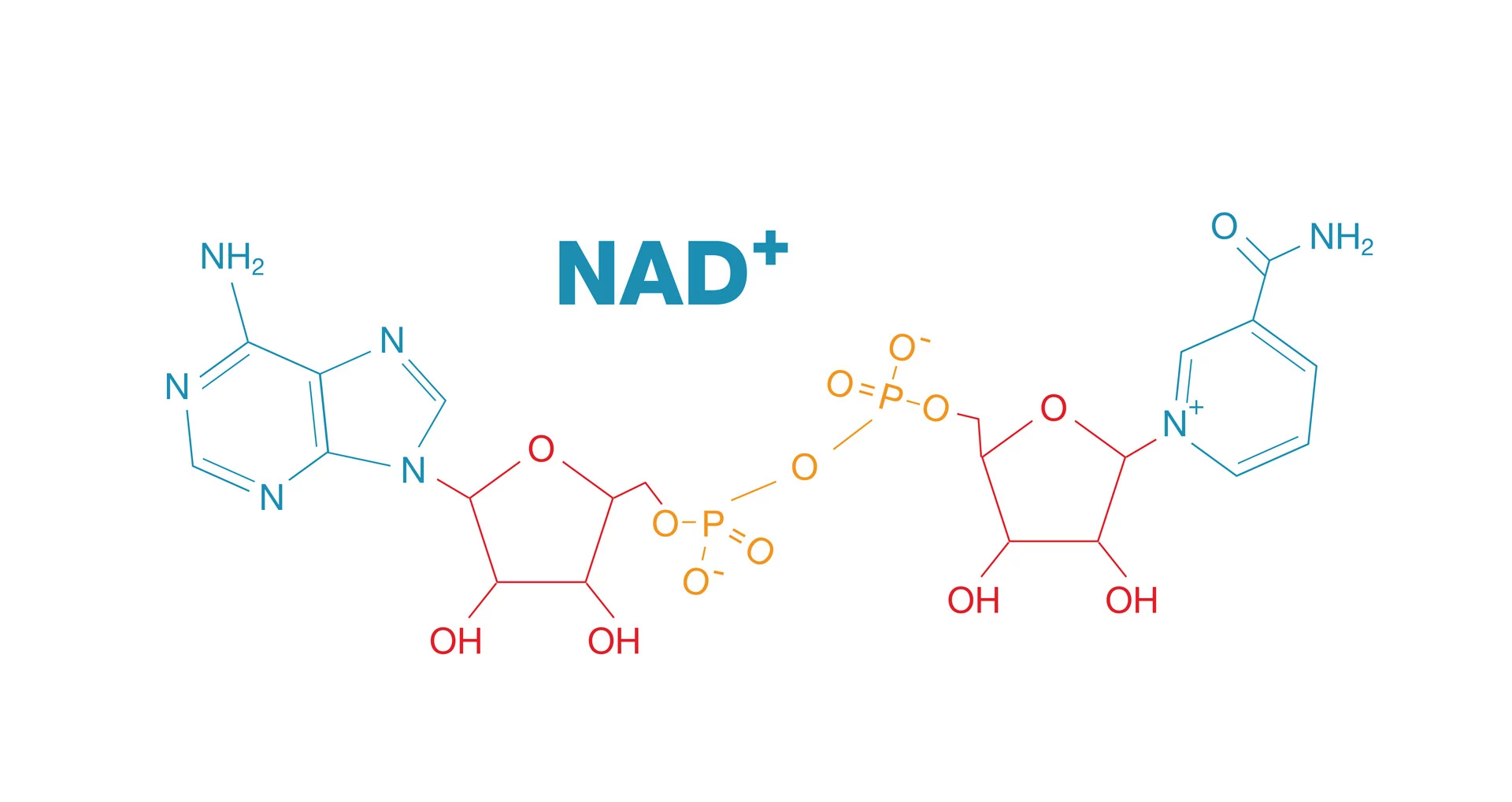
How NAD⁺ works: redox energy, sirtuin activation, DNA repair, mitochondrial function
Figure 1. Mechanisms of action of NAD⁺ in cellular metabolism and repair.

NAD⁺: Multi-Target Regulator, Not a Single Pathway

Unlike some molecules that work via a unique receptor, NAD⁺ coordinates multiple pathways simultaneously—serving as a “hub” for cellular survival, repair, and energy.¹²³

  • Declines in NAD⁺ are linked to fatigue, mitochondrial dysfunction, and age-related disease.

Supplementing NAD⁺ or its precursors (NR, NMN) aims to restore these pathways for better health and longevity.²³

FAQs About NAD⁺ Mechanism

How does NAD⁺ help cells produce energy?

By shuttling electrons in metabolic reactions, NAD⁺ enables cells to create ATP—the body’s energy currency.

Why is NAD⁺ important for aging?

NAD⁺ powers sirtuins and DNA repair enzymes, both of which are linked to longevity and slowing cellular aging.

How is NAD⁺ different from NR and NMN?

NR and NMN are NAD⁺ precursors—cells convert them into NAD⁺ to support the same metabolic and repair pathways.

Can boosting NAD⁺ help with fatigue or brain function?

Research suggests improved NAD⁺ levels enhance mitochondrial function, which can positively impact energy and cognition.

Is NAD⁺ a vitamin or a coenzyme?

NAD⁺ is a coenzyme, made from vitamin B3 (niacin) derivatives in the diet.

Related Articles

References

  1. Verdin E. NAD⁺ in aging, metabolism, and neurodegeneration. Science. 2015;350(6265):1208–1213. https://www.science.org/doi/10.1126/science.aac4854
  2. Yoshino J, Baur JA, Imai S. NAD⁺ intermediates: The biology and therapeutic potential of NMN and NR. Cell Metab. 2018;27(3):513–528. https://pubmed.ncbi.nlm.nih.gov/29474950/
  3. Covarrubias AJ, Perrone R, Grozio A, Verdin E. NAD⁺ metabolism and its roles in cellular processes during ageing. Nat Rev Mol Cell Biol. 2021;22(2):119–141. https://pubmed.ncbi.nlm.nih.gov/33230262/

How Does Ipamorelin Work?

Mechanism of Action & Scientific Pathways

Introduction:

The phrase “mechanism of action” refers to the biological processes through which a molecule produces its effects. In the case of Ipamorelin, preclinical and early clinical research demonstrates its ability to:

  • Selectively activate the ghrelin receptor (GHSR-1a) to trigger pulsatile growth hormone (GH) release¹²
  • Maintain high pituitary selectivity with minimal effects on ACTH/cortisol and prolactin¹²
  • Work synergistically with growth hormone–releasing hormone (GHRH) analogs like CJC-1295 to amplify GH pulses³⁶

Elevate downstream insulin-like growth factor 1 (IGF-1), influencing tissue repair and body composition⁴

Ipamorelin Mechanism of Action: The Science Explained

1. GHSR-1a Activation → Pulsatile GH Release¹²⁵

Ipamorelin is a synthetic pentapeptide designed to bind selectively to the growth hormone secretagogue receptor type 1a (GHSR-1a). This receptor is normally activated by the endogenous hormone ghrelin.
Upon binding, Ipamorelin triggers a rapid, short-lived pulse of GH from pituitary somatotrophs — mimicking the body’s natural pulsatile GH secretion.

Why this matters: Pulsatile GH release is linked to better anabolic signaling and fewer side effects compared to constant elevation.

2. Pituitary Selectivity and Minimal Off-Target Hormone Release¹²

Older GHS compounds (e.g., GHRP-6, hexarelin) often raise prolactin, ACTH, and cortisol. Ipamorelin was engineered to avoid this. Even at doses far above its GH-effective dose, Ipamorelin shows negligible stimulation of these other pituitary hormones in both animals and humans.

Why this matters: High selectivity reduces hormonal “noise” in research models and lowers the chance of confounding effects.

**3. Synergy with GHRH Analogs (e.g., CJC-1295)**³⁶⁷

GH release is controlled by two main hypothalamic signals: GHRH (stimulates) and somatostatin (inhibits). GHSR agonists like Ipamorelin act via a pathway distinct from GHRH, bypassing somatostatin inhibition and stimulating GH release through a different intracellular mechanism.
When combined with GHRH analogs such as CJC-1295, the two signals act together, producing a greater GH pulse amplitude and area under the curve (AUC) than either alone.

Why this matters: Explains the popularity of “CJC-1295/Ipamorelin” research protocols in GH axis studies.

4. Downstream IGF-1 Elevation⁴

GH pulses stimulate the liver and other tissues to produce insulin-like growth factor 1 (IGF-1), a hormone involved in cell growth, protein synthesis, and tissue repair. Studies with GHRH analogs show sustained IGF-1 elevation; Ipamorelin’s contribution comes from amplifying GH pulses to drive IGF-1 production.

Why this matters: IGF-1 is a key mediator of GH’s anabolic and regenerative effects in muscle, bone, and connective tissue.Sirtuins are a family of enzymes (“longevity proteins”) that regulate metabolism, stress resistance, DNA repair, and inflammation. Sirtuins require NAD⁺ as a substrate to function; low NAD⁺ impairs their activity.¹³


Why this matters: Sirtuin activation links NAD⁺ to healthy aging, metabolic balance, and cellular resilience.

Limitations: What Do Clinical Studies Say?

While Ipamorelin’s mechanism is well-supported in preclinical models and acute human studies, limitations include:

  • Few long-term human trials — most human studies are short and use single or short series doses²
  • Limited clinical endpoints — most focus on GH and IGF-1 biomarkers, not functional outcomes
  • Unknown chronic safety profile — minimal adverse events reported so far, but data are early-stage

Conclusion

Ipamorelin’s mechanism is defined by selective GHSR-1a activation, pituitary specificity, synergy with GHRH analogs, and downstream IGF-1 production. These combined actions make it a unique and widely researched tool for studying the GH axis and its effects on tissue growth, repair, and metabolism.

FAQs About Ipamorelin Mechanism

How does Ipamorelin work?

Ipamorelin selectively activates the ghrelin receptor (GHSR-1a), triggering pulsatile GH release, showing minimal off-target hormone effects, and synergizing with GHRH analogs to elevate IGF-1.

Why combine Ipamorelin with CJC-1295?

CJC-1295 and Ipamorelin act via complementary pathways—GHRH-R and GHSR-1a—leading to greater GH pulse amplitude and IGF-1 production than either alone.

Does Ipamorelin increase cortisol?

Unlike older GHS peptides, Ipamorelin has minimal effects on cortisol and prolactin, even at high research doses.

Related Articles

References

  1. hormone secretagogue. Eur J Endocrinol. 1998;139(5):552–561. https://pubmed.ncbi.nlm.nih.gov/9849815/
  2. Gobburu JV, et al. Pharmacokinetic-pharmacodynamic modeling of ipamorelin in human volunteers. Pharm Res. 1999;16(9):1473–1479. https://pubmed.ncbi.nlm.nih.gov/10496658/
  3. Ghigo E, et al. Endocrine and non-endocrine activities of growth hormone secretagogues. J Endocrinol Invest. 1999;22(5 Suppl):5–10. https://pubmed.ncbi.nlm.nih.gov/10592438/
  4. Teichman SL, et al. CJC-1295, a long-acting growth hormone-releasing hormone analog, increases serum GH and IGF-I in healthy adults. J Clin Endocrinol Metab. 2006;91(3):799–805. https://pubmed.ncbi.nlm.nih.gov/16352683/
  5. Yin Y, et al. The growth hormone secretagogue receptor: its multiple physiological roles. Int J Mol Sci. 2014;15(3):4837–4865. https://www.ncbi.nlm.nih.gov/pmc/articles/PMC3975427/
  6. Casanueva FF, et al. Synergistic action of GHRH and GHS on GH release. Trends Endocrinol Metab. 1999;10(1):30–38. https://www.sciencedirect.com/science/article/abs/pii/S1043276098001167
  7. Veldhuis JD, et al. Integrating growth hormone secretagogues into the ghrelin system. Front Neuroendocrinol. 2010;31(3):293–312. https://www.ncbi.nlm.nih.gov/pmc/articles/PMC2925380/

What is GHK-Cu?

The Copper Peptide Studied for Skin, Hair & Tissue Repair

Disclaimer: Information provided is for research and educational purposes only. GHK-Cu is not approved by the FDA or any regulatory agency for therapeutic or cosmetic use.


Introduction

GHK-Cu (glycyl-L-histidyl-L-lysine : copper) is a naturally occurring tripeptide-copper complex commonly known as the “copper peptide.” First identified in the 1970s, GHK-Cu is present in human plasma, saliva, and urine and has become a major research focus for its potential roles in skin repair, hair growth, wound healing, and tissue regeneration.¹ ² ³ ⁴ ⁶

Preclinical and cosmetic-science studies suggest that GHK-Cu supports collagen synthesis, angiogenesis, and anti-inflammatory and antioxidant responses—making it one of the most widely studied peptides in regenerative biology.² ⁴ ⁶

GHK-Cu Fast Facts

  • Type: Naturally occurring tripeptide (Gly-His-Lys) complexed with copper (Cu²⁺)
  • Discovered: 1973 – Dr. Loren Pickart, University of California
  • Sequence: Gly-His-Lys (GHK) + Cu²⁺ → GHK-Cu complex
  • Key Features: Copper-binding activity, antioxidant and regenerative signaling
  • Primary Research Areas: Skin repair, hair growth, wound healing, anti-inflammatory and antioxidant effects ⁴ ⁵ ⁶ ⁷ ⁸ ⁹ ¹⁰ ¹¹ ¹² ¹³
  • Also Known As: GHK-Cu, GHK Cu Peptide, Copper Peptide, GHK Peptide, GHK Copper Peptide

Chemical Structure & Origin

GHK-Cu consists of three amino acids—glycine, histidine, and lysine—that coordinate a divalent copper (Cu²⁺) ion. This coordination stabilizes copper in a biologically available form, allowing it to interact with cellular targets without generating oxidative stress.⁴ ⁵

The copper ion also acts as a catalytic cofactor in enzymes involved in collagen cross-linking, antioxidant defense, and wound remodeling.

GHK-Cu peptide structure: Gly-His-Lys bound to a copper ion

How GHK-Cu Works (in Brief)

GHK-Cu acts as a copper-delivery and signaling molecule. By binding copper(II) ions, it helps regulate gene expression linked to collagen formation, angiogenesis, antioxidant defense, and tissue remodeling.⁴ ⁵ ⁶ ⁷ The peptide’s small size allows it to penetrate tissues efficiently, and its copper-transfer activity underlies its reported effects on skin, hair, and wound-healing processes in laboratory models.

Discovery of GHK-Cu and Research Milestones

In 1973, Dr. Loren Pickart and colleagues isolated a short peptide from human plasma that extended the lifespan of cultured liver cells.¹ ² ³ They identified its sequence—glycyl-histidyl-lysine (GHK)—and discovered that when bound to copper ions, it formed GHK-Cu, a complex with strong biological activity in cell growth and tissue repair.

This finding laid the groundwork for decades of research (noted in the table below) exploring copper-peptide signaling and its potential biomedical and cosmetic applications.

YearStudy & SourceKey Finding
1973Pickart L. et al., Nat New Biol ¹ ²Discovery of GHK peptide
1988Maquart F.X. et al., FEBS LettGHK-Cu found to stimulate collagen synthesis in fibroblast cultures. Implications for skin health
1992Wegrowski Y. et al., Life SciIncreases glycosaminoglycan production in connective tissue. Implications for tissue repair
2000Siméon A. et al., Life Sci ¹⁰ ¹¹Up-regulates MMP-2 and ECM remodeling. Implications for wound repair
2005Pollard J.D. et al., Arch Facial Plast Surg ¹²Enhances fibroblast growth and cytokine expression after irradiation. Implications for injury recovery
2015Pickart L. et al., CosmeticsModulates antioxidant genes and copper homeostasis in skin. Implications for skin health
2018Pickart L. et al., Int J Mol SciIdentified gene networks involved in tissue protection and regeneration

Note: Nearly all data is from animal or in vitro models; human clinical trials are rare and preliminary.


GHK-Cu in Research: Key Applications

  • Skin regeneration: Supports collagen production, reduces wrinkles, and improves skin elasticity⁸ ⁹ ¹⁰ ¹¹
  • Hair growth: Promotes hair follicle stem cell activity and may increase hair density 4 6
  • Wound healing: Accelerates tissue repair and reduces inflammation in animal and cell studies ⁸ ⁹ ¹⁰ ¹¹ ¹²
  • Anti-aging: May improve skin tone, reduce fine lines, and support youthful tissue structure⁴ ⁶ ⁷
  • Other effects: Investigated for nerve repair, organ protection, and anti-oxidant effects⁵ ⁶


How GHK-Cu Differs From Other Peptides

PeptideMain UseOral?Key Difference

GHK-Cu
Skin, hair, and wound researchNoCopper-binding tripeptide; antioxidant and regenerative signaling

BPC-157

Multi-system tissue repair research
YesStable in GI tract; broad systemic activity
TB-500Muscle, tendon, and soft-tissue repair researchNoActin-binding; enhances cell migration and angiogenesis

Summary

GHK-Cu is a naturally occurring copper-binding tripeptide first discovered in human plasma in the 1970s. Extensive preclinical research shows it influences collagen synthesis, antioxidant defense, and tissue regeneration in cell and animal models. Its stability, small size, and copper-mediated signaling make it a central focus of ongoing studies in skin health, hair growth, and wound healing.

FAQs About GHK-Cu

What is GHK-Cu?

GHK-Cu (glycyl-L-histidyl-L-lysine:copper) is a naturally occurring copper peptide found in human plasma, skin, and saliva, known for its research applications in skin repair, hair growth, and wound healing.

What does GHK-Cu do?

In research, GHK-Cu supports collagen production, tissue regeneration, hair follicle health, and skin elasticity.

Is GHK-Cu the same as copper peptide?

GHK-Cu is the best-known copper peptide, but ‘copper peptide’ can refer to any peptide that binds copper. GHK-Cu is the most studied in research and skincare.

Where is GHK-Cu used?

GHK-Cu is used in laboratory research, as well as in skincare and hair products for its potential to promote skin healing and hair growth.

Related Articles

References

  1. Pickart L, Thaler MM. Tripeptide in human serum which prolongs survival of normal liver cells and stimulates growth in neoplastic liver. Nat New Biol. 1973;243(124):85–87. https://pubmed.ncbi.nlm.nih.gov/4349963/
  2. Pickart L, Thayer L, Thaler MM. A synthetic tripeptide which increases survival of normal liver cells, and stimulates growth in hepatoma cells. Biochem Biophys Res Commun. 1973; 54(2):562–566.https://pubmed.ncbi.nlm.nih.gov/4356974/
  3. Schlesinger DH, Pickart L, Thaler MM. Growth-modulating serum tripeptide is glycyl-histidyl-lysine. Experientia. 1977;33(3):324–325. https://pubmed.ncbi.nlm.nih.gov/29958416/
  4. Pickart L, Margolina A. The human tri-peptide GHK and tissue remodeling. J Biomater Sci Polym Ed. 2008;19(8):969-988. https://pubmed.ncbi.nlm.nih.gov/18644225/
  5. Pickart L, Vasquez-Soltero JM, Margolina A. GHK-Cu may prevent oxidative stress in skin by regulating copper and modifying expression of antioxidant genes. Cosmetics. 2015;2(3):236-247. https://www.mdpi.com/2079-9284/2/3/236
  6. Pickart L, Margolina A. Regenerative and protective actions of the GHK-Cu peptide in the light of the new gene data. Int J Mol Sci. 2018;19(7):1987. https://pubmed.ncbi.nlm.nih.gov/29986520/
  7. Farris PK. Cosmeceuticals and Cosmetic Practice. Wiley-Blackwell; 2014. https://www.wiley.com/en-us/Cosmeceuticals+and+Cosmetic+Practice-p-9781118384831
  8. Maquart FX, Pickart L, Laurent M, Gillery P, Monboisse JC, Borel JP. Stimulation of collagen synthesis in fibroblast cultures by the tripeptide-copper complex glycyl-L-histidyl-L-lysine-Cu²⁺. FEBS Lett. 1988;238(2):343-346. https://pubmed.ncbi.nlm.nih.gov/3169264/
  9. Wegrowski Y, Maquart FX, Borel JP. Stimulation of sulfated glycosaminoglycan synthesis by the tripeptide-copper complex glycyl-L-histidyl-L-lysine-Cu²⁺. Life Sci. 1992;51(13):1049-1056. https://pubmed.ncbi.nlm.nih.gov/1522753/
  10. Siméon A, Emonard H, Hornebeck W, Maquart FX. The tripeptide-copper complex glycyl-L-histidyl-L-lysine-Cu²⁺ stimulates MMP-2 expression by fibroblast cultures. Life Sci. 2000;67(18):2257-2265. https://pubmed.ncbi.nlm.nih.gov/11045606/
  11. Siméon A, Bontemps Y, Hornebeck W, Maquart FX. Expression of glycosaminoglycans and small proteoglycans in wounds: modulation by the tripeptide-copper complex glycyl-L-histidyl-L-lysine-Cu²⁺. J Invest Dermatol. 2000;115(6):962-968. https://pubmed.ncbi.nlm.nih.gov/11121126/
  12. Pollard JD, Quan S, Kang T, Koch RJ. Effects of copper tripeptide on growth and expression of growth factors by irradiated fibroblasts. Arch Facial Plast Surg. 2005;7(1):27-31. https://pubmed.ncbi.nlm.nih.gov/15655171/
  13. Lau SJ, Sarkar B. The interaction of Cu(II) and glycyl-L-histidyl-L-lysine: a copper-binding peptide present in human plasma. Biochem J. 1981;199(3):527–536 https://pmc.ncbi.nlm.nih.gov/articles/PMC1163421/