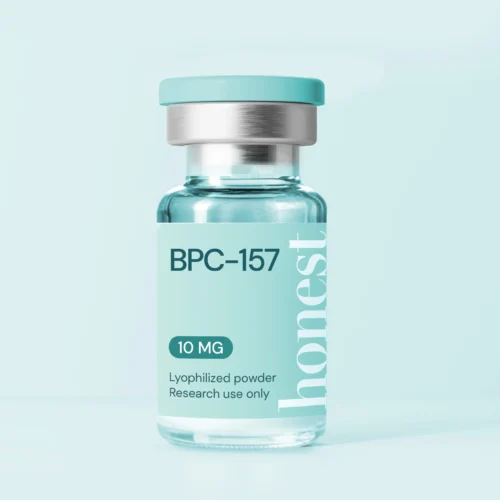
BPC 157 dosage Calculator
This BPC-157 dosage calculator estimates syringe units, concentration, vial yield, and how long a vial will last based on vial size, water volume, and amount per dose
Common BPC-157 parameters are pre-selected for faster calculation.
Go to peptide-specific calculator ↓
Result
To have a dose of 1mg pull the syringe to 0

Your vial contains
0.0 dosesConcentration
0.0 mg/mLYour vial will last —
Select Your Specific Peptide
Reconstitution guide
Use our Peptide Calculator below to calculate accurate dosages foradministering peptides using a syringe.
STEP 1
Set your dose
Choose your intended dose in micrograms (mcg): This is the amount of peptide you plan to inject each time.
STEP 2
Enter your peptide strength
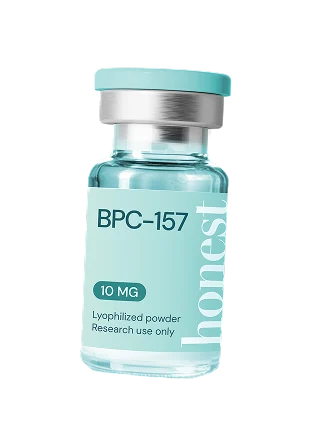
Enter the peptide strength in your vial. You can select a common amount, such as 1mg, 5mg, 10mg, or 15mg. If your amount isn’t listed, you can manually type in the exact amount.
STEP 3
Add your water volume
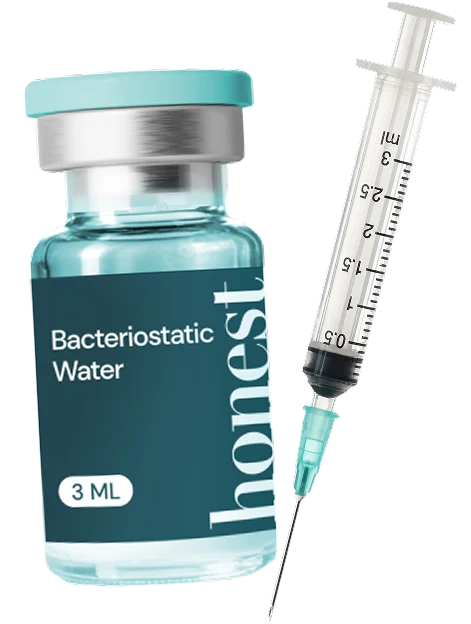
The volume of water you add affects the concentration of the peptide solution. Enter the amount of water in milliliters (mL).
BPC-157 Dosage: What the research says
This information is based on preclinical and clinical research studies. BPC-157 is not FDA-approved for human use. This content is for research and informational purposes only
Common Research Doses
- Low (0.25mg / 250mcg): Frequently applied in baseline systemic models or studies observing minor localized tissue repair in smaller test subjects.¹
- Mid (0.5mg / 500mcg): The standard median dosage in experimental literature, widely cited in protocols evaluating accelerated healing of acute muscle, tendon, or ligament injuries.²
- High (1.0mg / 1000mcg): Typically reserved for severe trauma models, post-surgical recovery simulations, or subjects with higher body mass requiring a robust systemic response.³
Frequency of Administration
In experimental protocols, BPC-157 is most commonly administered once to twice daily. Because of its relatively short systemic half-life, researchers often split the mid (0.5mg) or high (1.0mg) experimental dosages into two equal administrations (e.g., morning and evening) to maintain consistent localized or systemic concentrations throughout the primary healing window.¹
Route of Administration
Research literature documents several administration routes, largely dictated by the specific objective of the study:
- Subcutaneous (SubQ): The benchmark route for systemic research, including gastrointestinal healing, neuroprotection, and general inflammatory modulation.⁴
- Intramuscular (IM): Frequently utilized in localized studies targeting specific tendon, ligament, or muscle injuries to introduce the peptide adjacent to the site of trauma.²
- Oral: BPC-157 is uniquely stable in gastric juice, and oral administration is heavily documented in gut-permeability and ulcer models.⁴
Study Duration
BPC-157 research generally follows acute to sub-acute timelines, focusing on the rapid up-regulation of angiogenic growth factors.
- Acute Repair Models: 2 to 4 weeks is the standard timeline for observing localized tendon, ligament, or muscle healing.²
- Systemic/Gastrointestinal Models: 4 to 8 weeks for observing chronic inflammatory conditions or ulcer resolution. Literature rarely dictates continuous, long-term administration once the primary tissue repair or baseline homeostatic endpoints are achieved.³
Evidence Limitations
While extensive in vitro and animal models demonstrate BPC-157’s profound angiogenic and cytoprotective properties—accelerating angiogenesis and modulating the inflammatory response—large-scale, peer-reviewed human clinical trials are currently lacking. BPC-157 is not approved by the FDA for treating injuries, ulcers, or inflammatory bowel conditions in humans. All data provided is strictly for educational context, and all compounds are restricted to Research Use Only (RUO).
Scientific References
- Sikiric P, Seiwerth S, Rucman R, et al. Stable gastric pentadecapeptide BPC 157: novel therapy in gastrointestinal tract, clinic and controlled psychiatric ward patients. Curr Med Chem. 2011;18(14):2044-2055. https://pubmed.ncbi.nlm.nih.gov/21548867/
- Gwyer D, Vrancic M, Jelic I, et al. Gastric pentadecapeptide BPC 157 in healing of muscle and tendon injuries. Curr Cell Pharmacol. 2019;14(4):301-310. https://pubmed.ncbi.nlm.nih.gov/30915550/
- Xue XC, Wu YJ, Gao MT, et al. Protective effects of pentadecapeptide BPC 157 on gastric ulcer in rats. World J Gastroenterol. 2015;21(14):4164-4170. https://pubmed.ncbi.nlm.nih.gov/25629352/
- Sikiric P, Seiwerth S, Rucman R, et al. Brain-gut Axis and Pentadecapeptide BPC 157: Theoretical and Practical Implications. Curr Neuropharmacol. 2016;14(8):857-865. https://pubmed.ncbi.nlm.nih.gov/27840341/
Shop peptides