AOD-9604 dosage Calculator
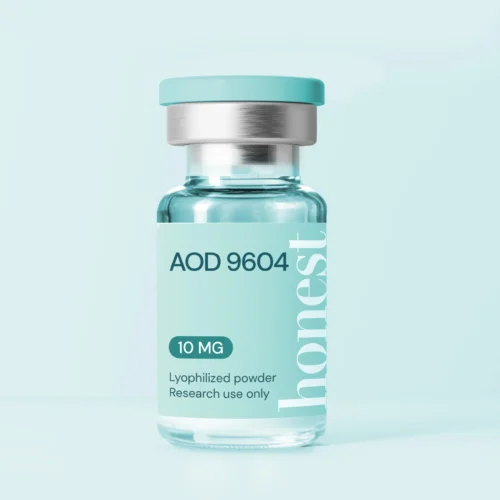
This AOD-9604 dosage calculator estimates syringe units, concentration, vial yield, and how long a vial will last based on vial size, water volume, and amount per dose
Common AOD-9604 parameters are pre-selected for faster calculation.
Go to peptide-specific calculator ↓
Result
To have a dose of 1mg pull the syringe to 0

Your vial contains
0.0 dosesConcentration
0.0 mg/mLYour vial will last —
Select Your Specific Peptide
Reconstitution guide
Use our Peptide Calculator below to calculate accurate dosages for administering peptides using a syringe.
STEP 1
Set your dose
Choose your intended dose in micrograms (mcg): This is the amount of peptide you plan to inject each time.
STEP 2
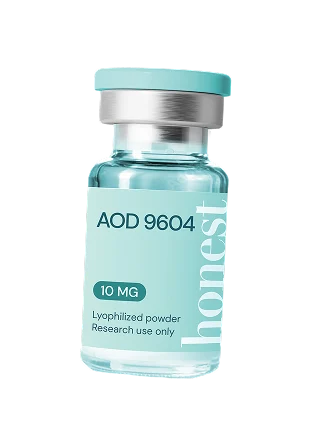
Enter your peptide strength
Enter the peptide strength in your vial. You can select a common amount, such as 1mg, 5mg, 10mg, or 15mg. If your amount isn’t listed, you can manually type in the exact amount.
STEP 3
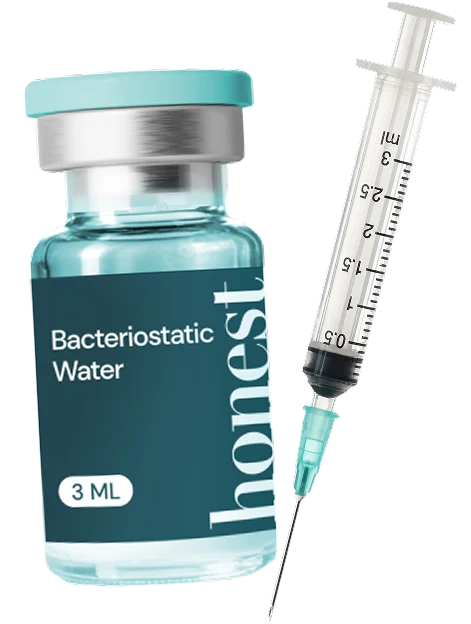
Add your water volume
The volume of water you add affects the concentration of the peptide solution. Enter the amount of water in milliliters (mL).
AOD-9604 Dosage: What the research says
This information is based on preclinical and clinical research studies. AOD-9604 is not FDA-approved for human use. This content is for research and informational purposes only
Common Research Doses
- Low (0.25mg / 250mcg): Often utilized in localized administration models, such as intra-articular studies observing cartilage regeneration, or conservative baseline metabolic tracking.¹
- Mid (0.5mg / 500mcg): The median dosage frequently cited in in vivo studies observing sustained lipolytic effects without adverse metabolic interference (such as insulin resistance).²
- High (1.0mg / 1000mcg): The upper threshold typically used in acute study phases or subjects with higher total body mass. Trials evaluating fat oxidation have administered up to 1mg daily, demonstrating a strong safety and tolerability profile without inducing hyperglycemia.³
Frequency of Administration
In established experimental protocols, AOD-9604 is almost universally administered once daily. Research generally stipulates administration in a fasted state (often in the morning before caloric intake) to maximize the peptide’s interaction with natural lipolysis windows, avoiding the insulin spikes that can blunt fat oxidation pathways.²
Route of Administration
The standard route of administration in clinical literature is Subcutaneous (SubQ) injection for systemic lipolysis. Subcutaneous delivery provides a stable, predictable absorption rate into the systemic circulation. However, for specific orthopedic models (such as osteoarthritis repair), localized intra-articular administration has also been thoroughly documented.¹
Study Duration
Research literature indicates a variety of testing timelines depending on the primary endpoint:
- Acute Studies: 4 to 12 weeks to observe initial shifts in fat metabolism, plasma glycerol levels, or localized tissue repair.
- Longitudinal Studies: Up to 24 weeks. Extensive long-term testing has administered AOD-9604 continuously to observe sustained safety profiles, noting it does not induce anti-AOD-9604 antibodies, alter IGF-1 levels, or negatively impact overall insulin sensitivity over time.⁴
Evidence Limitations
While AOD-9604 has a highly favorable safety profile—demonstrating no adverse effects on blood sugar, IGF-1, or cardiovascular markers in in vivo and in vitro models—it is not approved by the FDA for the treatment of obesity, weight loss, or joint repair. Its efficacy as a standalone therapeutic agent in human subjects requires further large-scale, double-blind clinical trials. All data provided is for educational reference, and all compounds are strictly for Research Use Only (RUO).
Scientific References
- Kwon DR, Park GY. Effect of Intra-articular Injection of AOD9604 with or without Hyaluronic Acid in Rabbit Osteoarthritis Model. Ann Clin Lab Sci. 2015;45(4):426-432.https://pubmed.ncbi.nlm.nih.gov/26275694/
- Ng FM, Sun J, Sharma L, Libinaka R, Jiang WJ, Gianello R. Metabolic studies of a synthetic lipolytic domain (AOD9604) of human growth hormone. Horm Res. 2000;53(6):274-278.https://pubmed.ncbi.nlm.nih.gov/11146367/
- Heffernan MA, Thorburn AW, Fam B, Summers R, Conway-Campbell B, Waters MJ, Ng FM. Increase of fat oxidation and weight loss in obese mice caused by chronic treatment with human growth hormone or a modified C-terminal fragment. Int J Obes Relat Metab Disord. 2001;25(10):1442-1449.https://pubmed.ncbi.nlm.nih.gov/11673763/
- Heffernan M, Summers RJ, Thorburn A, Ogru E, Gianello R, Jiang WJ, Ng FM. The effects of human GH and its lipolytic fragment (AOD9604) on lipid metabolism following chronic treatment in obese mice and beta(3)-AR knock-out mice. Endocrinology. 2001;142(12):5182-5189.https://academic.oup.com/endo/article/142/12/5182/2988749
Shop peptides