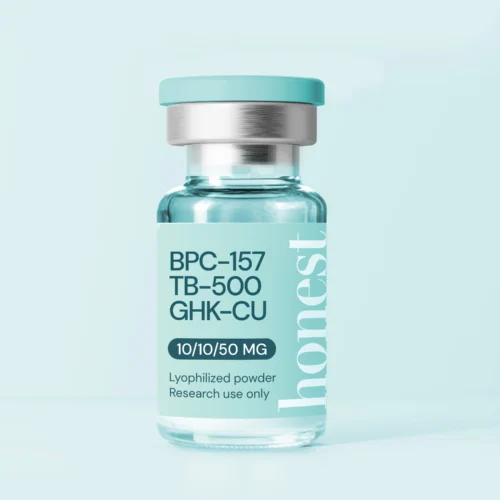
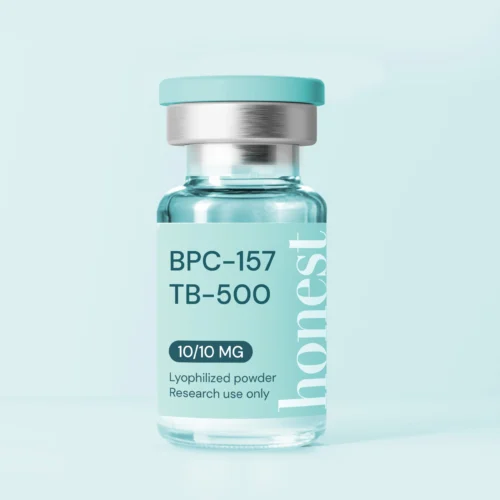
BPC-157 TB-500 Blend dosage Calculator
This BPC-157 TB-500 Blend dosage calculator estimates syringe units, concentration, vial yield, and how long a vial will last based on vial size, water volume, and amount per dose
Common BPC-157 TB-500 Blend parameters are pre-selected for faster calculation.
Go to peptide-specific calculator ↓
Result
To have a dose of 1mg pull the syringe to 0

Your vial contains
0.0 dosesConcentration
0.0 mg/mLYour vial will last —
Select Your Specific Peptide
Reconstitution guide
Use our Peptide Calculator below to calculate accurate dosages for administering peptides using a syringe.
STEP 1
Set your dose
Choose your intended dose in micrograms (mcg): This is the amount of peptide you plan to inject each time.
STEP 2
Enter your peptide strength
Enter the peptide strength in your vial. You can select a common amount, such as 1mg, 5mg, 10mg, or 15mg. If your amount isn’t listed, you can manually type in the exact amount.
STEP 3
Add your water volume
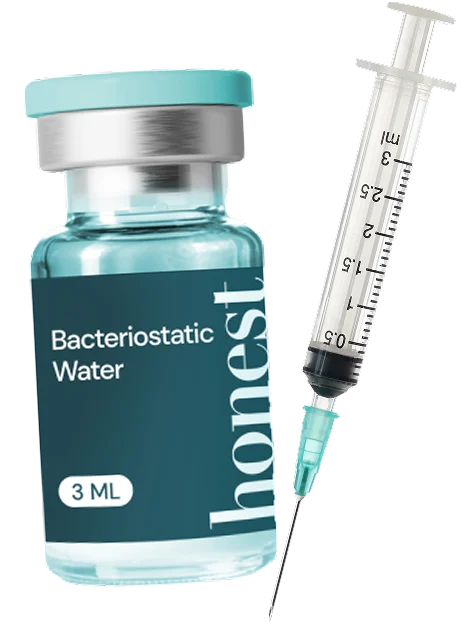
The volume of water you add affects the concentration of the peptide solution. Enter the amount of water in milliliters (mL).
BPC-157 TB-500 Blend Dosage: What the research says
This information is based on preclinical and clinical research studies. BPC/TB-500 is not FDA-approved for human use. This content is for research and informational purposes only
Common Research Doses
The presets in our calculator reflect practical fixed-ratio blend amounts informed by component-level BPC-157 and thymosin beta-4/TB-500 research. No controlled study has established a standardized dosage for the finished BPC-157 + TB-500 blend.
- Low (0.5mg / 500mcg total blend): In a 1:1 formulation, this provides 0.25mg / 250mcg of BPC-157 and 0.25mg / 250mcg of TB-500. This is a conservative calculation preset that keeps the BPC-157 component near commonly discussed lower fixed amounts while modeling the TB-500 component as a smaller, more frequent exposure.
- Mid (1mg total blend): Provides 0.5mg / 500mcg of each peptide. This is the most practical midpoint for a 1:1 blend because it gives users a straightforward calculator setting without assuming that either component follows its standalone protocol.
- High (2mg total blend:) Provides 1mg of BPC-157 and 1mg of TB-500. This represents the upper general-purpose calculator preset. It should not be interpreted as a clinically validated combination dose or evidence that higher amounts produce stronger outcomes.
Frequency of Administration
BPC-157 is commonly administered once daily in preclinical tendon, ligament, muscle, and gastrointestinal models. Full-length thymosin beta-4 research has also frequently used repeated or daily administration, although the dose and route vary substantially by model.¹²³⁴⁵
TB-500 is often discussed anecdotally in twice-weekly standalone protocols, but this schedule is not an established requirement in controlled clinical research. There is no direct evidence showing that smaller, more frequent exposure to the TB-500 component is less effective than larger, less frequent exposure.
For a fixed-ratio BPC-157 + TB-500 blend, Daily is therefore the most practical calculator default. It aligns with the BPC-157 research pattern and distributes the TB-500 portion across smaller repeated amounts. Twice-weekly, every-other-day, and custom options can remain available for alternative modeling.
Route of Administration
The two components have been studied using several routes.
BPC-157 preclinical studies have used oral, intraperitoneal, local, topical, and other injected routes depending on the tissue model.¹²³ TB-500-specific clinical-route evidence is extremely limited, while studies of its parent peptide, thymosin beta-4, have used topical, intraperitoneal, intravenous, and localized administration.⁴⁵⁶
For a lyophilized injectable BPC-157 + TB-500 blend calculator, Subcutaneous is the most practical default route. However, this reflects the product format and common injectable research modeling—not a published clinical standard for the finished combination.
Study Duration
Published study duration varies according to the injury model and the component being examined.
- Acute and early-repair studies: BPC-157 and thymosin beta-4 experiments often evaluate wound closure, inflammation, cell migration, or early tissue organization over several days to approximately two weeks.¹⁴
- Tendon, ligament, and muscle studies: Longer preclinical models commonly evaluate tissue remodeling, biomechanical strength, collagen organization, and functional recovery over several weeks.²³⁵
Evidence Limitations
The most important limitation is that BPC-157 + TB-500 has not been validated as a standardized combination in controlled clinical trials.
BPC-157 has shown tissue-repair effects across numerous animal and cellular models, but human evidence remains limited to small observational reports and very small pilot studies. TB-500 presents an additional evidence problem: much of the biological rationale attributed to TB-500 is extrapolated from research on full-length thymosin beta-4, while commercial TB-500 is generally identified as an acetylated LKKTETQ fragment.⁶⁷ The two should not automatically be treated as pharmacologically interchangeable.
The small intra-articular case series involving BPC-157 alone or combined with thymosin beta-4 did not include randomization, placebo control, standardized combination dosing, or sufficient sample size to establish a validated blend protocol.⁸
FDA currently states that compounded BPC-157 may present immunogenicity and peptide-impurity concerns. FDA likewise reports that TB-500 may pose immunogenicity risks and that it has not identified adequate human-exposure data to determine its safety.⁹
Scientific References
- Starešinić M, Sebečić B, Patrlj L, et al. Gastric pentadecapeptide BPC 157 accelerates healing of transected rat Achilles tendon and in vitro stimulates tendocyte growth. Journal of Orthopaedic Research. 2003;21(6):976–983. https://pubmed.ncbi.nlm.nih.gov/14554208/
- Cerovečki T, Božić I, Šikić P, et al. Pentadecapeptide BPC 157 improves ligament healing in the rat. Journal of Orthopaedic Research. 2010. https://pubmed.ncbi.nlm.nih.gov/20225319/
- Pevec D, Novinscak T, Brcic L, et al. Impact of pentadecapeptide BPC 157 on muscle healing impaired by systemic corticosteroid application. Medical Science Monitor. 2010. https://pubmed.ncbi.nlm.nih.gov/20190676/
- Malinda KM, Sidhu GS, Mani H, et al. Thymosin beta-4 accelerates wound healing. Journal of Investigative Dermatology. 1999;113(3):364–368. https://pubmed.ncbi.nlm.nih.gov/10469335/
- Xu B, Yang M, Li Z, et al. Thymosin beta-4 enhances the healing of medial collateral ligament injury in rat. Regulatory Peptides. 2013;184:1–5. https://pubmed.ncbi.nlm.nih.gov/23523891/
- Goldstein AL, Hannappel E, Kleinman HK. Thymosin beta-4: actin-sequestering protein moonlights to repair injured tissues. Trends in Molecular Medicine. 2005;11(9):421–429. https://pubmed.ncbi.nlm.nih.gov/16099219/
- Ho ENM, Kwok WH, Lau MY, et al. Doping control analysis of TB-500, a synthetic version of an active region of thymosin beta-4, in equine urine and plasma by liquid chromatography–mass spectrometry. Journal of Chromatography A. 2012.
https://pubmed.ncbi.nlm.nih.gov/23084823/ - Lee E, Padgett B. Intra-articular injection of BPC 157 for multiple types of knee pain. Alternative Therapies in Health and Medicine. 2021. https://pubmed.ncbi.nlm.nih.gov/34324435/
- U.S. Food and Drug Administration. Certain Bulk Drug Substances for Use in Compounding That May Present Significant Safety Risks.
https://www.fda.gov/drugs/human-drug-compounding/certain-bulk-drug-substances-use-compounding-may-present-significant-safety-risks
Shop peptides