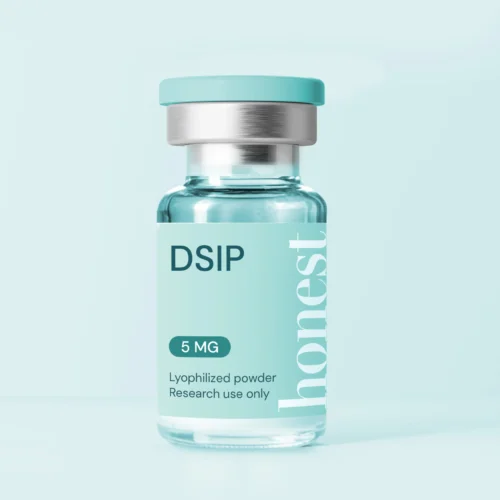
DSIP Dosage Calculator
This DSIP dosage calculator estimates syringe units, concentration, vial yield, and how long a vial will last based on vial size, water volume, and amount per dose
Common DSIP parameters are pre-selected for faster calculation.
Go to peptide-specific calculator ↓
Result
To have a dose of 1mg pull the syringe to 0

Your vial contains
0.0 dosesConcentration
0.0 mg/mLYour vial will last —
Select Your Specific Peptide
Reconstitution guide
Use our Peptide Calculator below to calculate accurate dosages foradministering peptides using a syringe.
STEP 1
Set your dose
Choose your intended dose in micrograms (mcg): This is the amount of peptide you plan to inject each time.
STEP 2
Enter your peptide strength
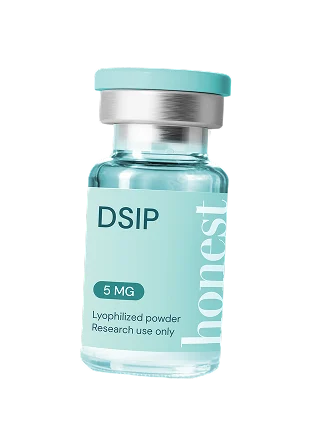
Enter the peptide strength in your vial. You can select a common amount, such as 1mg, 5mg, 10mg, or 15mg. If your amount isn’t listed, you can manually type in the exact amount.
STEP 3
Add your water volume
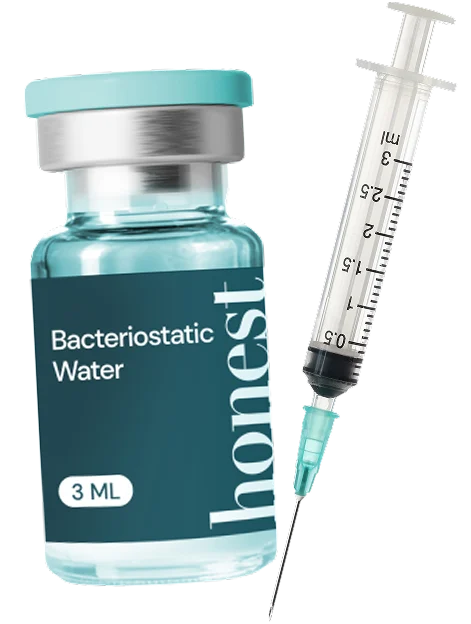
The volume of water you add affects the concentration of the peptide solution. Enter the amount of water in milliliters (mL).
DSIP Dosage: What the research says
This information is based on preclinical and clinical research studies. DSIP is not FDA-approved for human use. This content is for research and informational purposes only
Common Research Doses
The presets in our calculator reflect the dosing parameters most frequently utilized in in vivo sleep architecture and neuroendocrine stress models.
- Low (0.1mg / 100mcg): Often utilized in baseline sleep architecture models or studies tracking mild electroencephalogram (EEG) changes and baseline circadian rhythmicity.¹
- Mid (0.25mg / 250mcg): The standard median dosage in experimental literature, frequently cited in protocols observing substantial shifts toward slow-wave (delta) sleep and modulation of the stress axis (e.g., corticosterone reduction).²
- High (0.5mg / 500mcg): The upper threshold typically used in acute study phases focusing on severe sleep disturbances, withdrawal simulation models, or subjects requiring a higher systemic exposure to achieve significant neuroendocrine modulation.³
Frequency of Administration
In experimental protocols, DSIP is most commonly administered once daily shortly before sleep. To accurately model natural circadian rhythmicity and promote slow-wave sleep onset, research universally stipulates administration immediately prior to the dark cycle (or the subject’s intended sleep period).
Route of Administration
Research literature documents several administration routes, largely dictated by the specific objective of the neuro-monitoring:
- Subcutaneous (SubQ): The benchmark route for systemic research. SubQ administration has successfully demonstrated the peptide’s unique ability to cross the blood-brain barrier (BBB) intact, influencing central nervous system (CNS) parameters like EEG delta rhythm and HPA-axis stress responses.⁴
- Intravenous (IV): Frequently utilized in acute, highly controlled laboratory settings to observe immediate shifts in heart rate variability and rapid EEG alterations, though SubQ provides a more practical absorption curve for behavioral models.³
Study Duration
DSIP research generally follows acute timelines, focusing on immediate electrophysiological and hormonal shifts:
- Acute Sleep Models: 1 to 7 days is the standard timeline for observing immediate changes in EEG patterns, specifically the increase in deep slow-wave sleep (DSWS) and the reduction of sleep onset latency.⁴
- Sub-Acute Stress Models: 2 to 4 weeks when tracking the peptide’s cumulative effect on hormonal normalization, such as the blunting of corticotropin-releasing factor (CRF) and cortisol/corticosterone in chronic stress environments.¹
Evidence Limitations
While in vivo animal models demonstrate DSIP’s profound ability to cross the blood-brain barrier, promote slow-wave sleep, and modulate the physiological stress response, large-scale, peer-reviewed human clinical trials are currently lacking. DSIP is not approved by the FDA for treating insomnia, sleep disorders, anxiety, or withdrawal syndromes in humans. All data provided is strictly for educational context, and all compounds are restricted to Research Use Only (RUO).
Scientific References
- Graf MV, Kastin AJ, Coy DH, Fischman AJ. Delta-sleep-inducing peptide reduces CRF-induced corticosterone release. Neuroendocrinology. 1985;41(4):353-356. https://pubmed.ncbi.nlm.nih.gov/2995861/
- Graf MV, Kastin AJ. Delta-sleep-inducing peptide (DSIP): a review. Neurosci Biobehav Rev. 1984;8(1):83-93. https://pubmed.ncbi.nlm.nih.gov/6145137/
- Schoenenberger GA. Characterization, properties and multivariate functions of delta-sleep-inducing peptide (DSIP). Eur Neurol. 1984;23(5):321-345. https://pubmed.ncbi.nlm.nih.gov/6548966/
- Susić V. The effect of subcutaneous administration of delta sleep-inducing peptide (DSIP) on some parameters of sleep in the cat. Physiol Behav. 1987;40(5):569-572. https://pubmed.ncbi.nlm.nih.gov/3671519/
Shop peptides