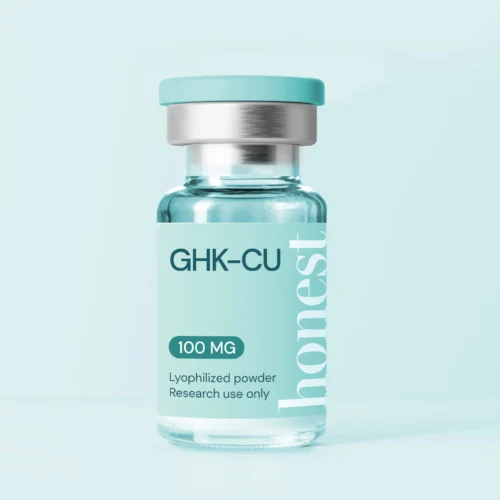
GHK-Cu
(Copper Peptide) Calculator
This GHK-Cu dosage calculator estimates syringe units, concentration, vial yield, and how long a vial will last based on vial size, water volume, and amount per dose
Common GHK-Cu parameters are pre-selected for faster calculation.
Go to peptide-specific calculator ↓
Result
To have a dose of 1mg pull the syringe to 0

Your vial contains
0.0 dosesConcentration
0.0 mg/mLYour vial will last —
Select Your Specific Peptide
Reconstitution guide
Use our Peptide Calculator below to calculate accurate dosages foradministering peptides using a syringe.
STEP 1
Set your dose
Choose your intended dose in micrograms (mcg): This is the amount of peptide you plan to inject each time.
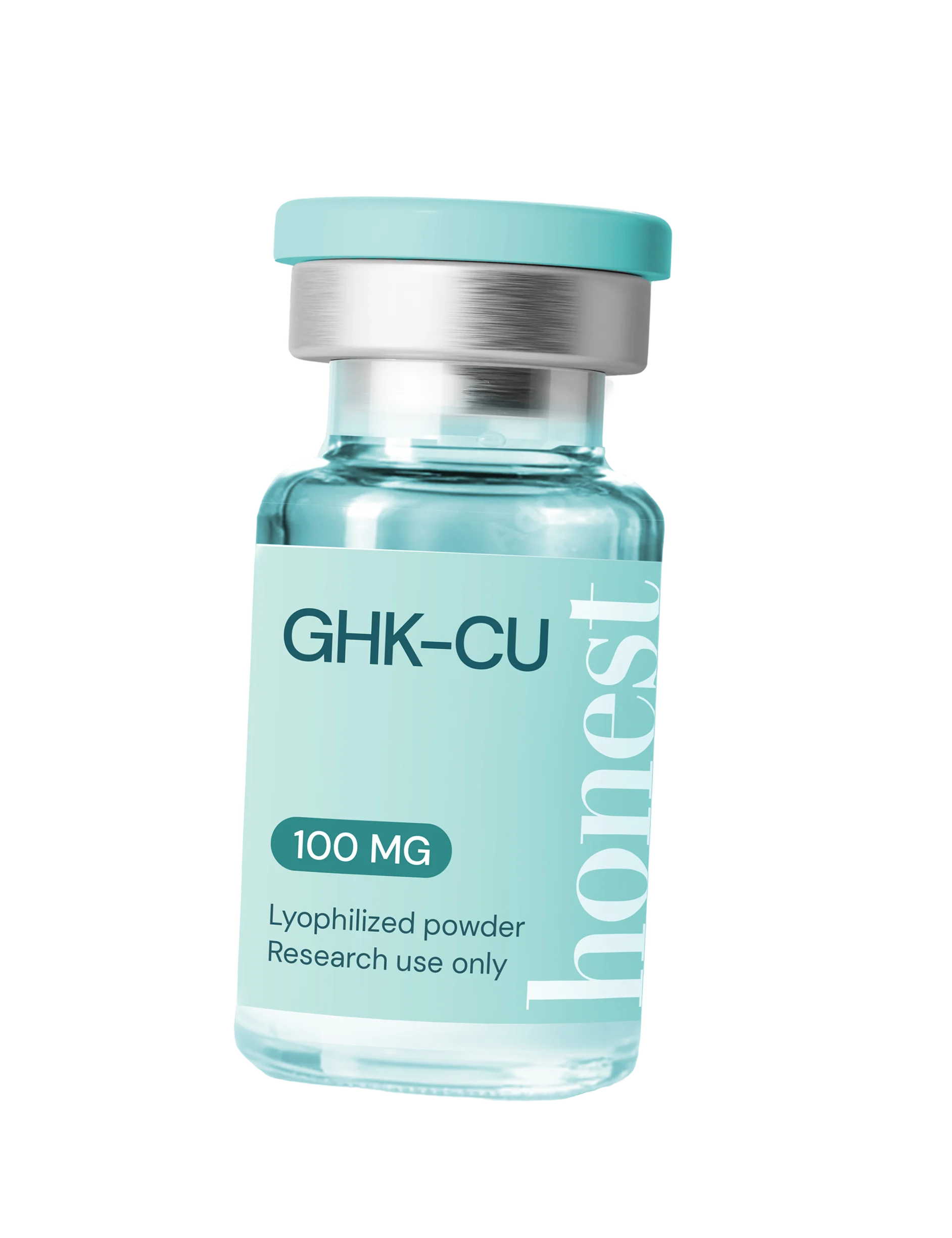
STEP 2
Enter your peptide strength
Enter the peptide strength in your vial. You can select a common amount, such as 1mg, 5mg, 10mg, or 15mg. If your amount isn’t listed, you can manually type in the exact amount.
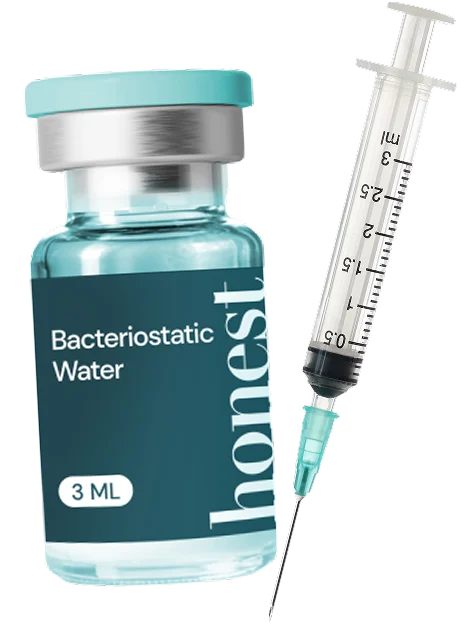
STEP 3
Add your water volume
The volume of water you add affects the concentration of the peptide solution. Enter the amount of water in milliliters (mL).
GHK-Cu Calculator Dosage: What the research says
This information is based on preclinical and clinical research studies. GHK-Cu Calculator is not FDA-approved for human use. This content is for research and informational purposes only
Common Research Doses
- Low (1.0mg / 1000mcg): Often utilized in conservative or localized skin remodeling trials, where lower concentrations effectively stimulate basal cell regeneration, elastin production, and fibroblast activity.[1]
- Mid (2.5mg / 2500mcg): The standard median dosage in systemic literature, frequently cited in in vivo protocols observing significant upregulation of angiogenesis, collagen synthesis, and the modulation of systemic inflammatory pathways.[2]
- High (5.0mg / 5000mcg): The upper threshold typically reserved for severe acute injury models, such as accelerated burn/scald wound healing, or larger animal models requiring a robust systemic delivery of the copper-peptide complex.[3]
Frequency of Administration
In experimental systemic protocols, GHK-Cu is most commonly administered once daily. For localized wound-healing or continuous dermatological models, researchers aim to maintain a stable, uninterrupted concentration of the copper-peptide complex to continuously signal matrix metalloproteinases and attract immune cells to the site of injury.[1]
Route of Administration
- Subcutaneous (SubQ): The standard route for in vivo systemic research targeting generalized anti-inflammatory markers or widespread soft tissue repair. Note: Due to the chemical nature of the copper chelate, researchers often utilize higher reconstitution volumes (e.g., 2ml or 3ml of bacteriostatic water) or co-administer with compounds like BPC-157 to mitigate localized post-injection irritation (PIP) frequently observed with this specific peptide.
- Topical / Transdermal: Highly documented in dermatological research, as the low-molecular-weight GHK-Cu complex effectively penetrates the stratum corneum to stimulate local collagen, decorin, and glycosaminoglycan synthesis in the dermal matrix.[2]
Study Duration
GHK-Cu research generally follows both sub-acute and longitudinal timelines depending on the tissue remodeling goals:
- Wound Healing & Acute Repair: 2 to 4 weeks is the standard timeline for observing accelerated angiogenesis, enhanced blood vessel formation, and macroscopic wound closure in severe injury models.[3]
- Longitudinal Skin / Anti-aging Models: 8 to 12 weeks for observing sustained upregulation of structural proteins and the restoration of replicative vitality in aged or radiation-damaged fibroblasts.[1]
Evidence Limitations
While decades of in vitro and animal models demonstrate GHK-Cu’s profound ability to accelerate tissue remodeling, attract immune cells, and modulate inflammatory pathways, it is not approved by the FDA as an injectable therapeutic for wound healing, anti-aging, or systemic inflammation in humans. All data provided is strictly for educational context, and all compounds are restricted to Research Use Only (RUO).
Scientific References
- Pickart L, Margolina A. Regenerative and Protective Actions of the GHK-Cu Peptide in the Light of the New Gene Data. Int J Mol Sci. 2018;19(7):1987. https://pmc.ncbi.nlm.nih.gov/articles/PMC6073405/
- Dou Y, Lee A, Poon L, et al. The potential of GHK as an anti-aging peptide. Aging Pathobiol Ther. 2020;2(1):58-61. https://pmc.ncbi.nlm.nih.gov/articles/PMC8789089/
- Wang X, Liu B, Xu Q, et al. GHK-Cu-liposomes accelerate scald wound healing in mice by promoting cell proliferation and angiogenesis. Wound Repair Regen. 2017;25(2):270-278. https://pubmed.ncbi.nlm.nih.gov/28370978/
Shop peptides