GLOW Peptide Dosage Calculator
This GLOW peptide dosage calculator estimates syringe units, concentration, vial yield, and how long a vial will last based on vial size, water volume, and amount per dose
Common GLOW peptide parameters are pre-selected for faster calculation.
Go to peptide-specific calculator ↓
Result
To have a dose of 1mg pull the syringe to 0

Your vial contains
0.0 dosesConcentration
0.0 mg/mLYour vial will last —
Select Your Specific Peptide
Reconstitution guide
Use our Peptide Calculator below to calculate accurate dosages foradministering peptides using a syringe.
STEP 1
Set your dose
Choose your intended dose in micrograms (mcg): This is the amount of peptide you plan to inject each time.
STEP 2
Enter your peptide strength
Enter the peptide strength in your vial. You can select a common amount, such as 1mg, 5mg, 10mg, or 15mg. If your amount isn’t listed, you can manually type in the exact amount.
STEP 3
Add your water volume
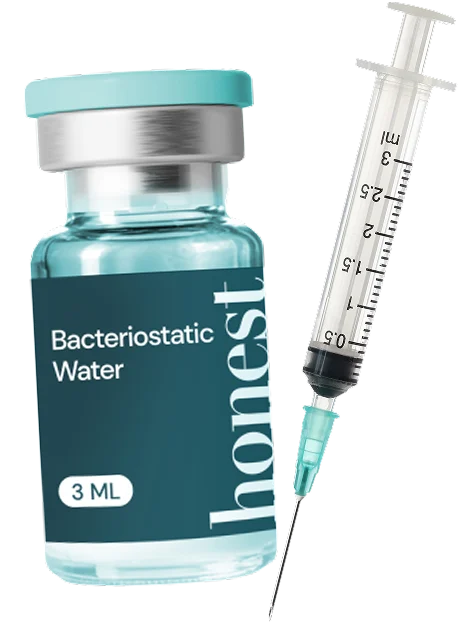
The volume of water you add affects the concentration of the peptide solution. Enter the amount of water in milliliters (mL).
GLOW Peptide Dosage: What the research says
This information is based on preclinical and clinical research studies. GLOW Blend is not FDA-approved for human use. This content is for research and informational purposes only
Common Research Doses
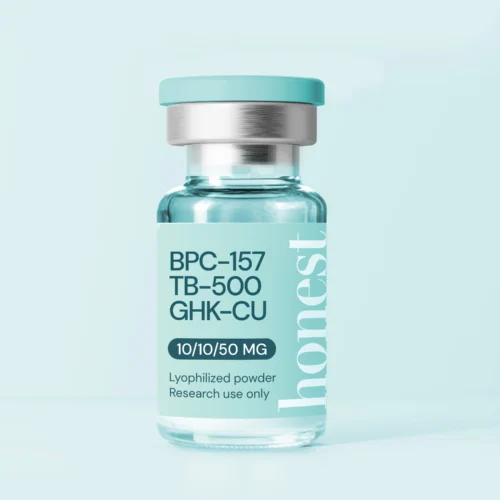
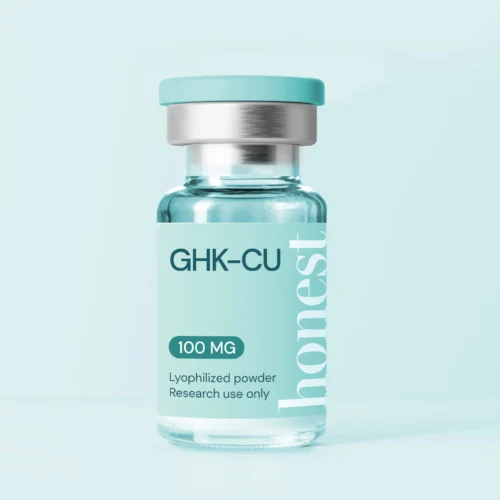
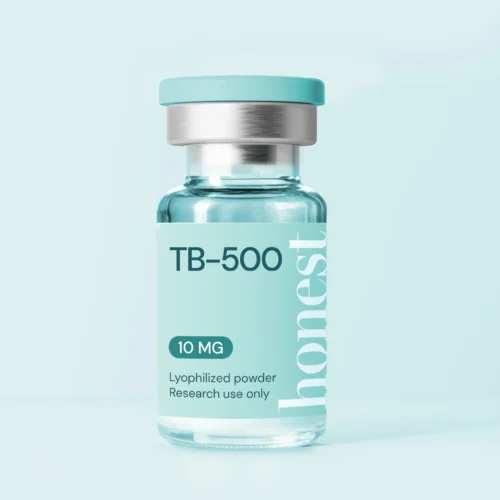
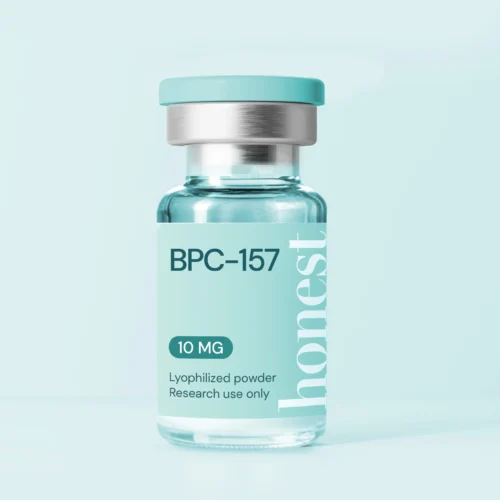
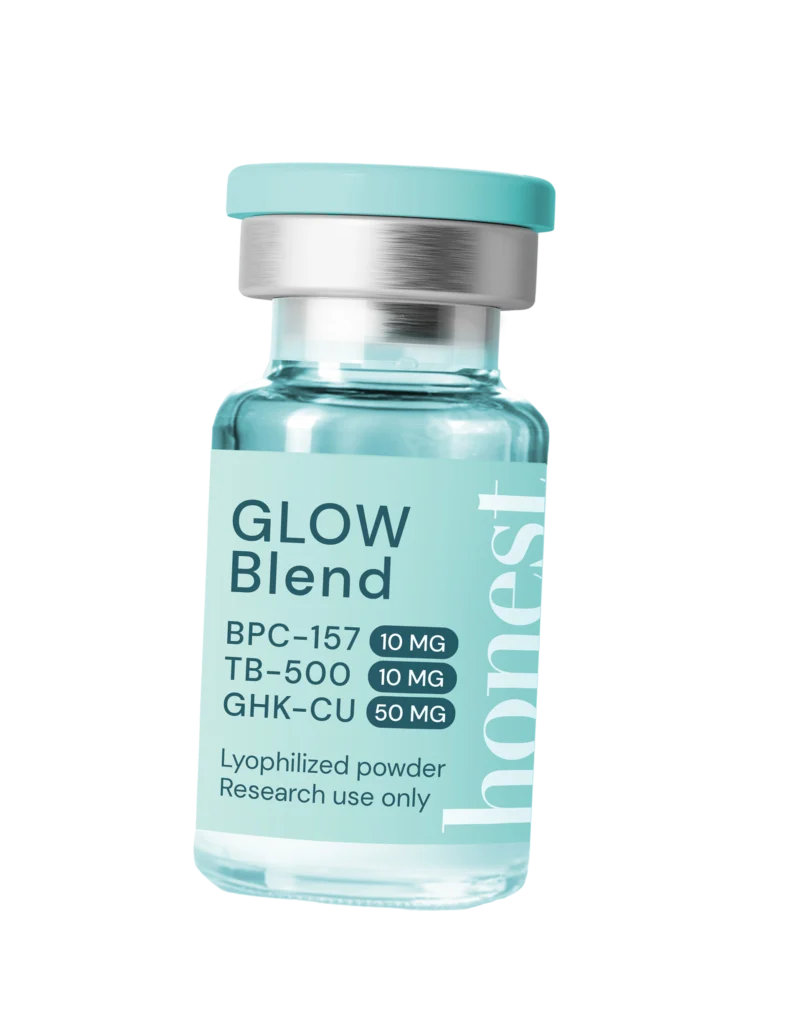
The presets in our calculator reflect the fixed composition of GLOW Blend and the most commonly discussed research ranges for its individual components: BPC-157, TB-500, and GHK-Cu.
- Low (1mg total blend): A lower-end calculation amount that provides approximately 0.14mg BPC-157, 0.14mg TB-500, and 0.71mg GHK-Cu per calculation. This range is useful for conservative modeling where researchers want lower exposure to the BPC-157/TB-500 portion of the blend while still capturing the higher GHK-Cu ratio.
- Mid (2mg total blend): A practical midpoint that provides approximately 0.29mg BPC-157, 0.29mg TB-500, and 1.43mg GHK-Cu per calculation. This aligns more closely with commonly discussed lower-to-moderate BPC-157 and TB-500 research amounts, while keeping GHK-Cu within a moderate blend-adjusted range.¹²³
- High (5mg total blend): An upper calculation preset that provides approximately 0.71mg BPC-157, 0.71mg TB-500, and 3.57mg GHK-Cu per calculation. This is included because higher total-blend amounts are sometimes modeled when researchers want stronger representation of the GHK-Cu portion while keeping the BPC-157 and TB-500 components within commonly discussed research ranges.
Frequency of Administration
GLOW Blend combines three peptides with different standalone research patterns. BPC-157 and GHK-Cu are commonly discussed in daily research-use contexts, particularly in tissue-repair, dermal-remodeling, and wound-healing models. TB-500 is often discussed in less frequent standalone protocols, commonly around twice weekly, especially in musculoskeletal repair contexts.
Because GLOW Blend is a fixed-ratio combination, the frequency default should be interpreted at the blend level rather than as a standalone TB-500 protocol. A daily default is practical because it aligns with the BPC-157 and GHK-Cu components, while distributing the TB-500 portion across smaller repeated amounts. There is no clear mechanistic reason to assume the TB-500 component would be ineffective when modeled more frequently at lower per-exposure amounts, though direct studies on this finished blend are limited.
For calculator purposes, daily is the most useful default frequency because it helps estimate vial duration and total modeled research usage. Other frequency options can be used for custom research designs. Frequency changes how long the vial lasts; it does not change concentration or syringe-unit calculation.
Route of Administration
The component peptides in GLOW Blend have been studied across different routes depending on the model and endpoint.
- BPC-157: most often discussed in animal wound-healing, tendon, ligament, gastrointestinal, and vascular models, with both local and systemic experimental routes described in the literature.¹²
- TB-500: thymosin beta-4-related research is commonly associated with tissue repair, actin regulation, cell migration, angiogenesis, and inflammation models. Experimental routes vary by study design and tissue target.³⁴
- GHK-Cu: broader topical and dermal research history, especially in skin remodeling, collagen regulation, and wound-related models. It has also been explored in broader regenerative and gene-expression contexts.⁵
Study Duration
Study duration varies widely across the individual peptides in GLOW Blend because each component is associated with different research endpoints.
BPC-157 studies often evaluate tissue repair, vascular response, tendon healing, ligament healing, or gastrointestinal protection over shorter experimental periods, depending on the injury model.¹² TB-500 / thymosin beta-4-related studies frequently focus on wound repair, cell migration, angiogenesis, and inflammatory resolution, with timelines driven by the repair model being studied.³⁴ GHK-Cu research can range from shorter wound-healing and dermal-remodeling models to broader regenerative studies evaluating collagen, skin structure, and gene-expression effects.⁵
Evidence Limitations
GLOW Blend should be understood as a component-based research blend, not a clinically validated combination product.
The individual peptides have distinct research rationales: BPC-157 is associated with tissue repair, angiogenesis, nitric-oxide modulation, and gastrointestinal protection models; TB-500 / thymosin beta-4-related research is associated with actin dynamics, cell migration, angiogenesis, and tissue repair; GHK-Cu is associated with collagen remodeling, dermal repair, copper-peptide biology, and regenerative signaling.¹²³⁴⁵
However, the three-peptide combination itself has not been validated in large controlled human trials. Synergy is biologically plausible based on complementary mechanisms, but direct evidence for the finished blend is limited. Component-level findings should not be treated as proof that the combination produces additive or superior outcomes.
GLOW Blend is not FDA-approved for wound healing, skin repair, injury recovery, cosmetic use, or any therapeutic purpose. All data provided is for educational reference, and all compounds are strictly for Research Use Only.
Scientific References
- Starešinić M, Sebečić B, Patrlj L, et al. “Gastric pentadecapeptide BPC 157 accelerates healing of transected rat Achilles tendon and in vitro stimulates tendocyte growth.” Journal of Orthopaedic Research. 2003;21(6):976–983. https://doi.org/10.1016/S0736-0266(03)00110-4
- Sikirić P, Seiwerth S, Rucman R, et al. “Stable gastric pentadecapeptide BPC 157: novel therapy in gastrointestinal tract.” Current Pharmaceutical Design. 2011;17(16):1612–1632. https://pubmed.ncbi.nlm.nih.gov/21548867/
- Goldstein AL, Hannappel E, Kleinman HK. “Thymosin beta4: actin-sequestering protein moonlights to repair injured tissues.” Trends in Molecular Medicine. 2005;11(9):421–429. https://pubmed.ncbi.nlm.nih.gov/16099219/
- Sosne G, Chan CC, Thai K, et al. “Thymosin beta 4 promotes corneal wound healing and modulates inflammatory mediators in vivo.” Experimental Eye Research. 2001;72(5):605–608. https://pubmed.ncbi.nlm.nih.gov/11311052/
- Pickart L, Margolina A. “Regenerative and protective actions of the GHK-Cu peptide in the light of the new gene data.” International Journal of Molecular Sciences. 2018;19(7):1987. https://pubmed.ncbi.nlm.nih.gov/29958416/
Shop peptides