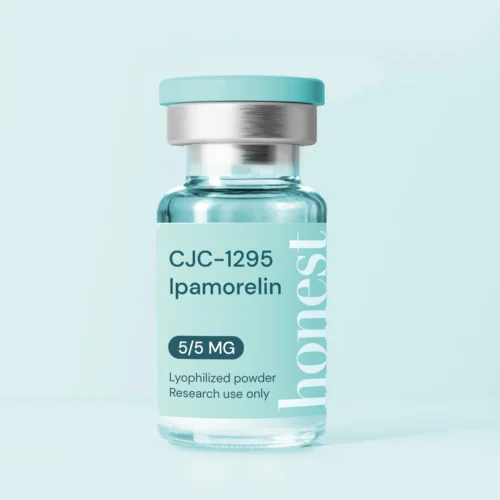
Ipamorelin Dosage Calculator
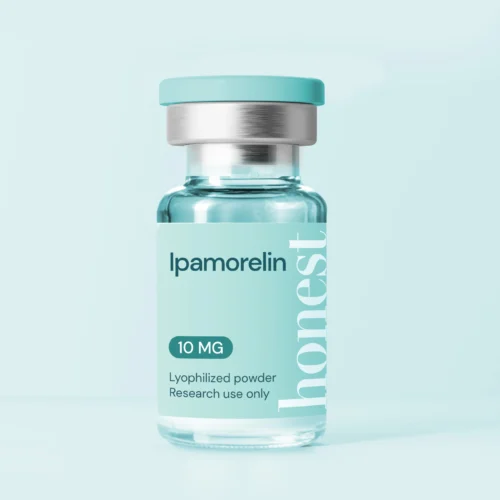
This Ipamorelin dosage calculator estimates syringe units, concentration, vial yield, and how long a vial will last based on vial size, water volume, and amount per dose
Common Ipamorelin parameters are pre-selected for faster calculation.
Go to peptide-specific calculator ↓
Result
To have a dose of 1mg pull the syringe to 0

Your vial contains
0.0 dosesConcentration
0.0 mg/mLYour vial will last —
Select Your Specific Peptide
Reconstitution guide
Use our Peptide Calculator below to calculate accurate dosages foradministering peptides using a syringe.
STEP 1
Set your dose
Choose your intended dose in micrograms (mcg): This is the amount of peptide you plan to inject each time.
STEP 2
Enter your peptide strength
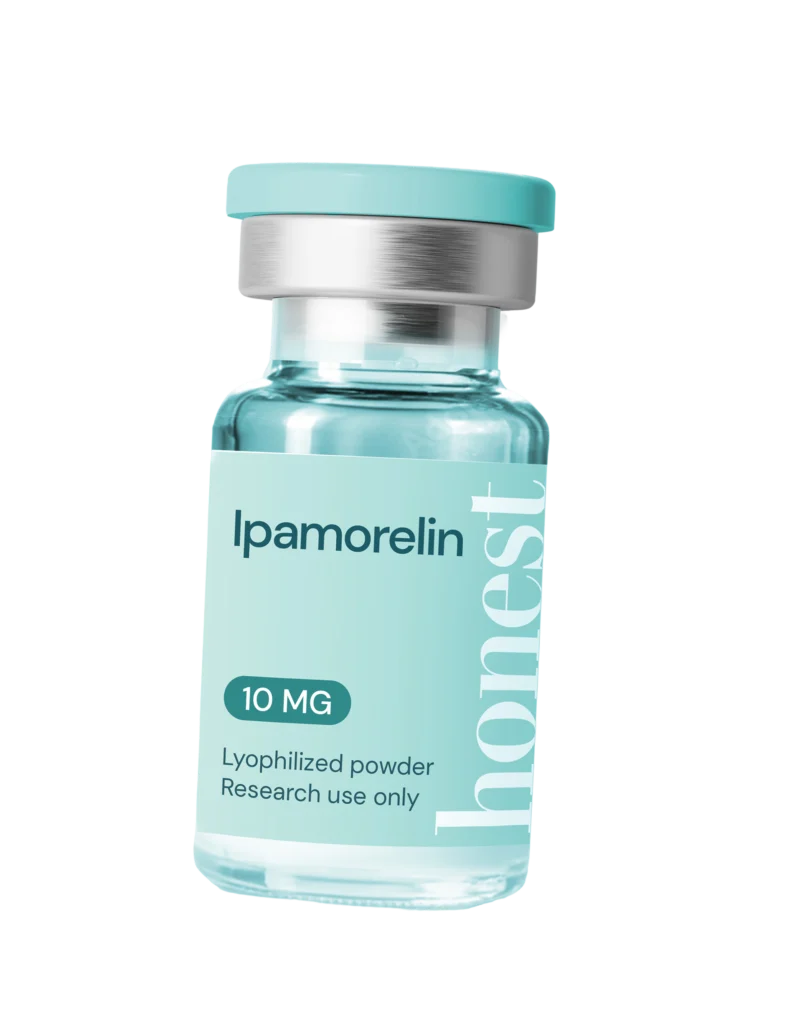
Enter the peptide strength in your vial. You can select a common amount, such as 1mg, 5mg, 10mg, or 15mg. If your amount isn’t listed, you can manually type in the exact amount.
STEP 3
Add your water volume
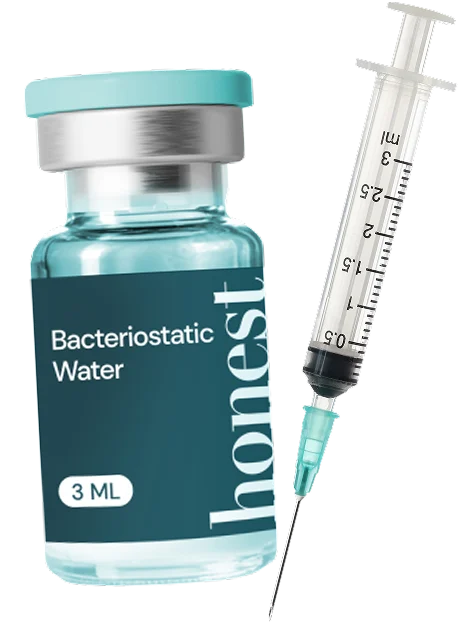
The volume of water you add affects the concentration of the peptide solution. Enter the amount of water in milliliters (mL).
Ipamorelin Calculator Dosage: What the research says
This information is based on preclinical and clinical research studies. Ipamorelin Calculator is not FDA-approved for human use. This content is for research and informational purposes only
Common Research Doses
The presets in our calculator reflect the dosing parameters most frequently utilized in pharmacokinetic models evaluating endogenous growth hormone (GH) stimulation and downstream IGF-1 elevation.
- Low (0.1mg / 100mcg): Often utilized in baseline GH pulse modeling or highly conservative, longitudinal anti-aging studies. At this threshold, researchers observe the restoration of natural pulsatile GH release without receptor down-regulation.¹
- Mid (0.2mg / 200mcg): The standard median dosage in experimental literature, frequently cited in protocols observing significant shifts in body composition, lipolysis, and enhanced recovery markers.²
- High (0.3mg / 300mcg): The upper threshold typically used in acute study phases. Research indicates that doses approaching or exceeding 300mcg per administration often reach a “saturation point” in the pituitary, meaning higher doses do not yield a proportionally greater GH pulse.³
Frequency of Administration
In experimental protocols, Ipamorelin is most commonly administered one to two times daily. Because it has a relatively short half-life (approximately 2 hours) and mimics the body’s natural GH peaks, researchers universally stipulate administration in a fasted state—most notably right before the subject’s sleep cycle to augment the natural nocturnal GH pulse.²
Route of Administration
The standard route of administration in clinical literature is Subcutaneous (SubQ) injection. Subcutaneous delivery provides a stable, predictable absorption rate into the systemic circulation, allowing for the precise measurement of the resulting GH and IGF-1 spikes in the blood plasma.¹
Study Duration
- Acute Studies: 4 to 8 weeks to observe initial shifts in fat metabolism, sleep architecture, and plasma IGF-1 levels.
- Longitudinal Studies: 12 to 24 weeks. Because Ipamorelin is uniquely highly selective—meaning it does not significantly elevate cortisol or prolactin like older GHRPs (e.g., GHRP-2 or GHRP-6)—it is frequently utilized in longer-duration studies assessing bone density, muscle hypertrophy, and sustained safety profiles.³
Evidence Limitations
While in vivo animal models and early-phase human trials demonstrate Ipamorelin’s profound ability to selectively stimulate GH and IGF-1 without triggering stress hormones, it is not approved by the FDA for treating growth hormone deficiency, obesity, or age-related decline. All data provided is strictly for educational context, and all compounds are restricted to Research Use Only (RUO).
Scientific References
- Raun K, Hansen BS, Johansen NL, et al. Ipamorelin, the first selective growth hormone secretagogue. Eur J Endocrinol. 1998;139(5):552-561. https://pubmed.ncbi.nlm.nih.gov/9849822/
- Gobburu JV, Agersø H, Jusko WJ. Pharmacokinetic-pharmacodynamic modeling of ipamorelin, a growth hormone releasing peptide, in human volunteers. Pharm Res. 1999;16(9):1412-1416. https://pubmed.ncbi.nlm.nih.gov/10492612/
- Johansen PB, Nowak J, Skjaerbaek C, et al. Ipamorelin, a new growth-hormone-releasing peptide, induces longitudinal bone growth in rats. Growth Horm IGF Res. 1999;9(2):106-113. https://pubmed.ncbi.nlm.nih.gov/10373343/
Shop peptides