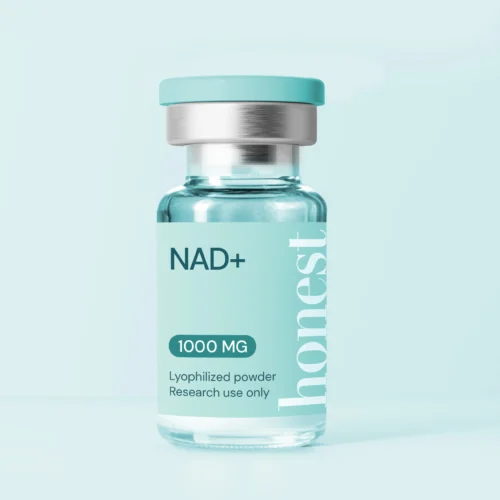
NAD+ Dosage Calculator
Most common parameters for NAD+ are pre-selected
Go to peptide-specific calculator ↓
Result
To have a dose of 1mg pull the syringe to 0

Your vial contains
0.0 dosesConcentration
0.0 mg/mLYour vial will last —
Select Your Specific Peptide
Reconstitution guide
Use our Peptide Calculator below to calculate accurate dosages foradministering peptides using a syringe.
STEP 1
Set your dose
Choose your intended dose in micrograms (mcg): This is the amount of peptide you plan to inject each time.
STEP 2
Enter your peptide strength
Enter the peptide strength in your vial. You can select a common amount, such as 1mg, 5mg, 10mg, or 15mg. If your amount isn’t listed, you can manually type in the exact amount.
STEP 3
Add your water volume
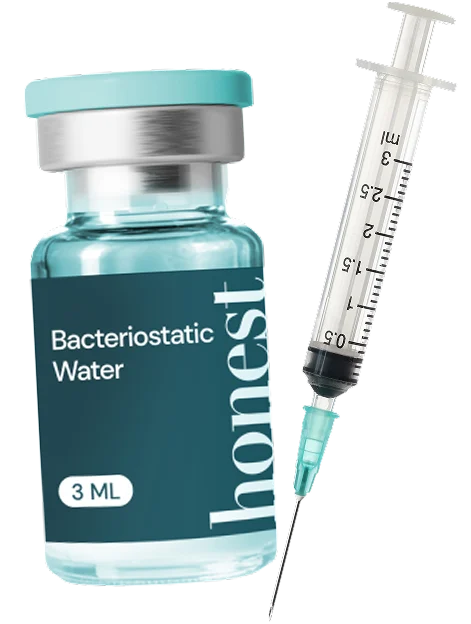
The volume of water you add affects the concentration of the peptide solution. Enter the amount of water in milliliters (mL).
NAD+ Dosage: What the research says
This information is based on preclinical and clinical research studies. NAD+ is not FDA-approved for human use. This content is for research and informational purposes only
Common Research Doses
The presets in our calculator reflect the dosing parameters most frequently utilized in in vivo cellular metabolism, mitochondrial biogenesis, and neuro-regeneration models.
- Low (250mg): Often utilized in baseline longevity models and studies assessing preliminary restoration of the NAD+ pool, baseline sirtuin activation, and mild metabolic support without inducing acute flushing or gastrointestinal distress.¹
- Mid (500mg): The standard median dosage frequently cited in experimental literature, widely used in protocols observing significant shifts in energy metabolism, neuroprotection, and the upregulation of PARP (poly ADP-ribose polymerase) DNA repair enzymes.²
- High (1000mg): The upper threshold typically reserved for acute phases of research focusing on severe NAD+ depletion, rapid cellular repair, or specific metabolic stress and withdrawal simulation models.³
Frequency of Administration
In experimental systemic protocols, NAD+ is most commonly administered one to three times weekly. Because it is a fundamental coenzyme that undergoes constant cellular consumption and recycling, intermittent dosing is utilized to consistently replenish the systemic NAD+ pool without oversaturating the salvage pathways.²
Route of Administration
Research literature documents administration routes based on the required bioavailability and the speed of systemic absorption:
- Subcutaneous (SubQ) / Intramuscular (IM): The standard routes for ongoing systemic research targeting general metabolic flexibility and anti-aging. Note: NAD+ is well-documented to cause localized injection site discomfort (stinging) and temporary physiological flushing when administered via SubQ or IM, requiring slow administration or dilution.
- Intravenous (IV): The clinical benchmark for administering high doses (e.g., 500mg – 1000mg) in acute neuro-regenerative or metabolic stress studies, allowing for a controlled, hours-long drip to mitigate the profound flushing and autonomic responses associated with rapid NAD+ absorption.³
Study Duration
NAD+ research generally follows both acute and longitudinal timelines depending on the targeted cellular outcome:
- Acute/Depletion Models: 1 to 4 weeks is the standard timeline for observing the rapid restoration of mitochondrial function and neurotransmitter balance in models of severe metabolic stress or substance withdrawal.
- Longitudinal/Aging Models: 12 to 24+ weeks for observing the sustained maintenance of sirtuin activity, telomere stability, and long-term protection against age-related neurodegeneration and metabolic decline.¹
Evidence Limitations
While extensive in vitro and animal models demonstrate that replenishing NAD+ profoundly impacts mitochondrial health, DNA repair, and cellular aging, large-scale human clinical trials evaluating its efficacy as an injectable therapeutic are still ongoing. NAD+ is not approved by the FDA for treating aging, chronic fatigue, neurodegenerative diseases, or substance withdrawal. All data provided is strictly for educational context, and all compounds are restricted to Research Use Only (RUO).
Scientific References
- Verdin E. NAD⁺ in aging, metabolism, and neurodegeneration. Science. 2015;350(6265):1208-1213. https://pubmed.ncbi.nlm.nih.gov/26785480/
- Rajman L, Chwalek K, Sinclair DA. Therapeutic potential of NAD-boosting molecules: the in vivo evidence. Cell Metab. 2018;27(3):529-547. https://pubmed.ncbi.nlm.nih.gov/29514064/
- Grant R, Berg J, Mestayer R, et al. A Pilot Study Investigating Changes in the Human Plasma and Urine NAD+ Metabolome During a 6 h Intravenous Infusion of NAD+. Front Aging Neurosci. 2019;11:257. https://pubmed.ncbi.nlm.nih.gov/31572171/
Shop peptides