Retatrutide Dosage Calculator
This retatrutide dosage calculator estimates syringe units, concentration, vial yield, and how long a vial will last based on vial size, water volume, and amount per dose
Common retatrutide parameters are pre-selected for faster calculation.
Go to peptide-specific calculator ↓
Result
To have a dose of 1mg pull the syringe to 0

Your vial contains
0.0 dosesConcentration
0.0 mg/mLYour vial will last —
Select Your Specific Peptide
Reconstitution guide
Use our Peptide Calculator below to calculate accurate dosages foradministering peptides using a syringe.
STEP 1
Set your dose
Choose your intended dose in micrograms (mcg): This is the amount of peptide you plan to inject each time.
STEP 2
Enter your peptide strength
Enter the peptide strength in your vial. You can select a common amount, such as 1mg, 5mg, 10mg, or 15mg. If your amount isn’t listed, you can manually type in the exact amount.
STEP 3
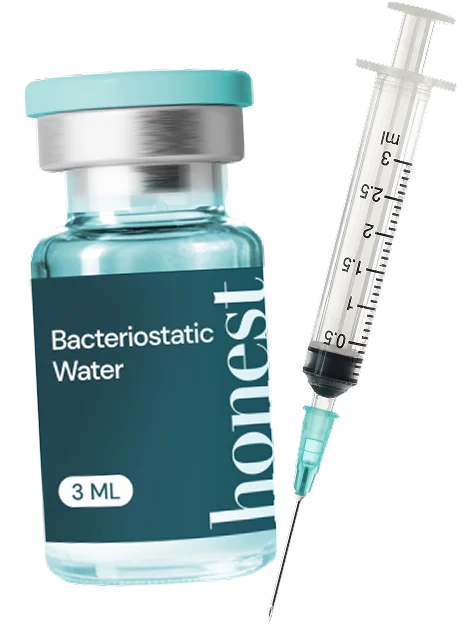
Add your water volume
The volume of water you add affects the concentration of the peptide solution. Enter the amount of water in milliliters (mL).
Retatrutide Dosage: What the research says
This information is based on preclinical and clinical research studies. Retatrutide is not FDA-approved for human use. This content is for research and informational purposes only
Common Research Doses
The presets in our calculator reflect the dosing parameters utilized in landmark Phase 2 clinical trials evaluating retatrutide’s novel mechanism as a triple-hormone-receptor agonist (GLP-1, GIP, and glucagon receptors).
- Low (2.0mg): Often utilized as the initial baseline or initiation dosage in clinical literature. Research protocols require starting at this threshold to assess gastrointestinal tolerability and begin systemic metabolic adaptation before upward titration.¹
- Mid (6.0mg): A standard intermediate dosage. In experimental models, reaching and maintaining this dosage correlates with significant shifts in resting energy expenditure, lipid metabolism, and profound reductions in hepatic steatosis.²
- High (12.0mg): The upper threshold evaluated in 48-week Phase 2 clinical trials. Studies demonstrated unprecedented shifts in systemic fat mass clearance at this dosage, though researchers universally mandate a gradual, multi-month titration schedule to mitigate autonomic stress and gastrointestinal adverse events.¹
Frequency of Administration
In experimental protocols, retatrutide is administered once weekly. Given its extended half-life and potent multi-receptor mechanism, weekly intervals provide a stable pharmacokinetic profile without causing overlapping receptor saturation or acute hypoglycemic events.¹
Route of Administration
The standard and only thoroughly documented route in clinical literature is Subcutaneous (SubQ) injection. Subcutaneous delivery ensures steady systemic absorption and distribution to the target tri-agonist receptors located across the pancreas, central nervous system, and liver.²
Study Duration
- Acute / Titration Phase: 4 to 12 weeks to safely titrate the compound from the 2.0mg baseline, allowing researchers to observe initial gastrointestinal adaptation and resting energy expenditure shifts.
- Longitudinal / Efficacy Phase: 48 to 80+ weeks. Extensive Phase 2 trials administered retatrutide continuously for 48 weeks to observe sustained weight loss and hepatic fat resolution, with ongoing Phase 3 trials extending well beyond a year to track long-term cardiovascular and metabolic safety.¹
Evidence Limitations
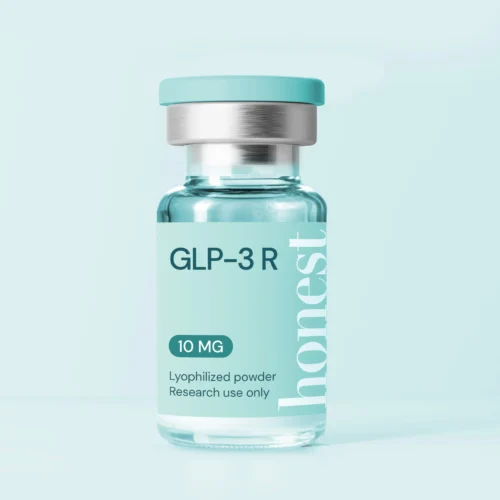
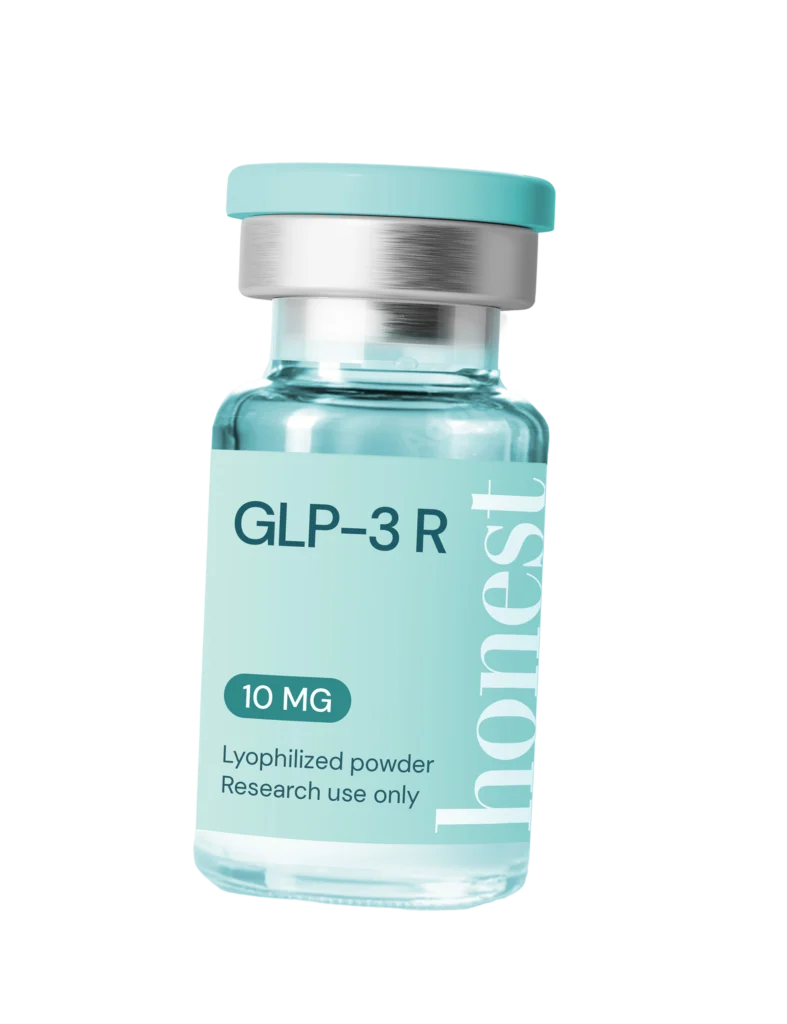
While Phase 2 clinical trials demonstrate retatrutide’s profound capability as a triple-hormone-receptor agonist to modulate energy balance and resolve hepatic steatosis, it is currently undergoing Phase 3 clinical trials and is not approved by the FDA for weight management, type 2 diabetes, or fatty liver disease. All data provided is strictly for educational context, and all compounds are restricted to Research Use Only (RUO). For catalog navigation and laboratory procurement, Retatrutide is designated within our catalog under the compliant nomenclature GLP-3 R.
Scientific References
- Jastreboff AM, Kaplan LM, Frías JP, et al. Triple-Hormone-Receptor Agonist Retatrutide for Obesity – A Phase 2 Trial. N Engl J Med. 2023;389(6):514-526. https://pubmed.ncbi.nlm.nih.gov/37366315/
- Rosenstock J, Frias J, Jastreboff AM, et al. Retatrutide, a GIP, GLP-1 and glucagon receptor agonist, for people with type 2 diabetes: a randomised, double-blind, placebo and active-controlled, parallel-group, phase 2 trial conducted in the USA. Lancet. 2023;402(10401):529-544. https://pubmed.ncbi.nlm.nih.gov/37385280/
Shop peptides