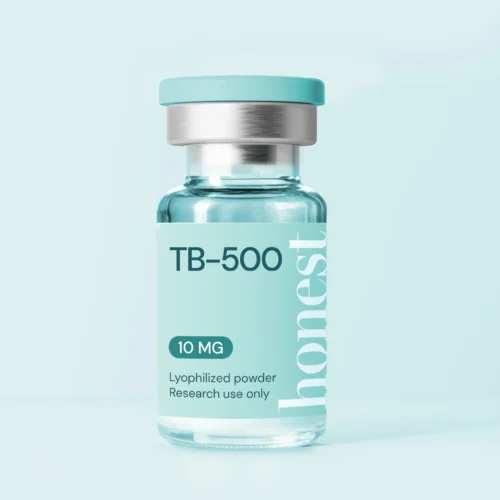
TB-500 Dosage Calculator
This TB-500 dosage calculator estimates syringe units, concentration, vial yield, and how long a vial will last based on vial size, water volume, and amount per dose
Common TB-500 parameters are pre-selected for faster calculation.
Go to peptide-specific calculator ↓
Result
To have a dose of 1mg pull the syringe to 0

Your vial contains
0.0 dosesConcentration
0.0 mg/mLYour vial will last —
Select Your Specific Peptide
Reconstitution guide
Use our Peptide Calculator below to calculate accurate dosages foradministering peptides using a syringe.
STEP 1
Set your dose
Choose your intended dose in micrograms (mcg): This is the amount of peptide you plan to inject each time.
STEP 2
Enter your peptide strength
Enter the peptide strength in your vial. You can select a common amount, such as 1mg, 5mg, 10mg, or 15mg. If your amount isn’t listed, you can manually type in the exact amount.
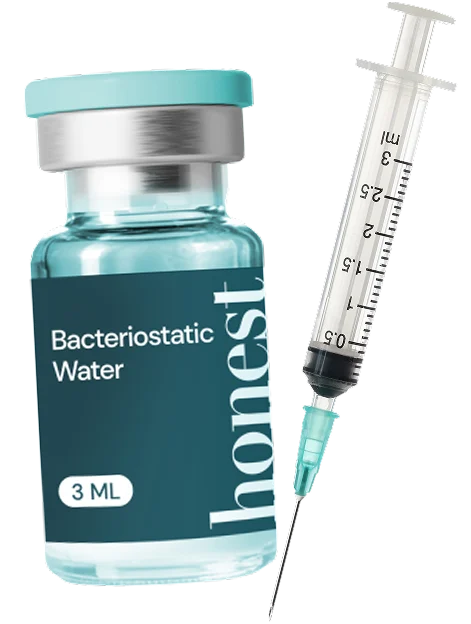
STEP 3
Add your water volume
The volume of water you add affects the concentration of the peptide solution. Enter the amount of water in milliliters (mL).
TB-500 Dosage: What the research says
This information is based on preclinical and clinical research studies. TB-500 is not FDA-approved for human use. This content is for research and informational purposes only
Common Research Doses
The presets in our calculator reflect the dosing parameters most frequently utilized in in vivo tissue healing, cellular motility, and neovascularization models.
- Low (2.5mg): Often utilized as a maintenance dosage or in baseline systemic models observing ongoing cellular repair, flexibility, and anti-inflammatory baseline support.[1]
- Mid (5.0mg): The standard median dosage in experimental literature, widely cited in acute protocols evaluating accelerated healing of muscle tears, ligament injuries, and dermal wound repair.[2]
- High (10.0mg): Typically reserved for severe trauma models, post-surgical cardiac tissue recovery simulations, or subjects with higher total body mass requiring a robust, systemic upregulation of actin-sequestering proteins.[3]
Frequency of Administration
In experimental protocols, TB-500 is most commonly administered two times weekly during the acute injury phase. Because it operates via the upregulation of cellular actin and maintains a longer systemic duration of action than other local repair peptides (such as BPC-157), researchers frequently transition to a vastly reduced maintenance schedule (e.g., once weekly or bi-weekly) once initial macroscopic tissue repair is achieved.[2]
Route of Administration
- Subcutaneous (SubQ): The benchmark route for systemic research. TB-500 possesses a low molecular weight and unique molecular structure that allows it to travel efficiently through the bloodstream to seek out and accumulate at localized areas of injury and inflammation.[1]
- Intramuscular (IM): Occasionally utilized to introduce the peptide adjacent to specific sites of muscular trauma, though systemic SubQ absorption is universally considered equally effective for widespread wound healing and angiogenesis.
Study Duration
TB-500 research generally follows acute to sub-acute timelines, focusing on the rapid activation of progenitor cells and blood vessel formation:
- Acute Repair Models: 4 to 6 weeks is the standard timeline for observing localized tissue healing, cardiovascular recovery, and a return to baseline structural integrity.[3]
- Maintenance Models: Extended observation phases often involve drastically reduced dosing frequencies solely to maintain baseline cellular motility and evaluate injury prevention over time.
Evidence Limitations
While extensive in vitro and animal models demonstrate TB-500’s profound ability to upregulate actin, stimulate angiogenesis, and accelerate multi-tissue repair, large-scale, peer-reviewed human clinical trials are currently limited. TB-500 (Thymosin Beta-4) is not approved by the FDA for treating muscular injuries, cardiovascular conditions, or inflammatory disorders in humans. All data provided is strictly for educational context, and all compounds are restricted to Research Use Only (RUO).
Scientific References
- Philp D, Goldstein AL, Kleinman HK. Thymosin beta4 promotes angiogenesis, wound healing, and hair follicle development. Mech Ageing Dev. 2004;125(2):113-115. https://pubmed.ncbi.nlm.nih.gov/15082067/
- Treadwell T, Kleinman HK, Crockford D, Hardy MA, Guarnera GT, Goldstein AL. The regenerative peptide thymosin β4 accelerates the rate of dermal healing in preclinical animal models and in patients. Ann N Y Acad Sci. 2012;1270(1):37-44. https://pubmed.ncbi.nlm.nih.gov/23046206/
- Smart N, Risebro CA, Melville AA, et al. Thymosin beta4 induces adult epicardial progenitor mobilization and neovascularization. Nature. 2007;445(7124):177-182. https://pubmed.ncbi.nlm.nih.gov/17115049/
Shop peptides