

 Account
 Peptide Calculator
Select your parameters to accurately calculate dosages.
Go to peptide-specific calculator ↓
Result
To have a dose of 1mg pull the syringe to 0

Your vial contains
0.0 dosesConcentration
0.0 mg/mLSelect Your Specific Peptide
Reconstitution guide
Use our Peptide Calculator below to calculate accurate dosages foradministering peptides using a syringe.
STEP 1
Set your dose
Choose your intended dose in micrograms (mcg): This is the amount of peptide you plan to inject each time.
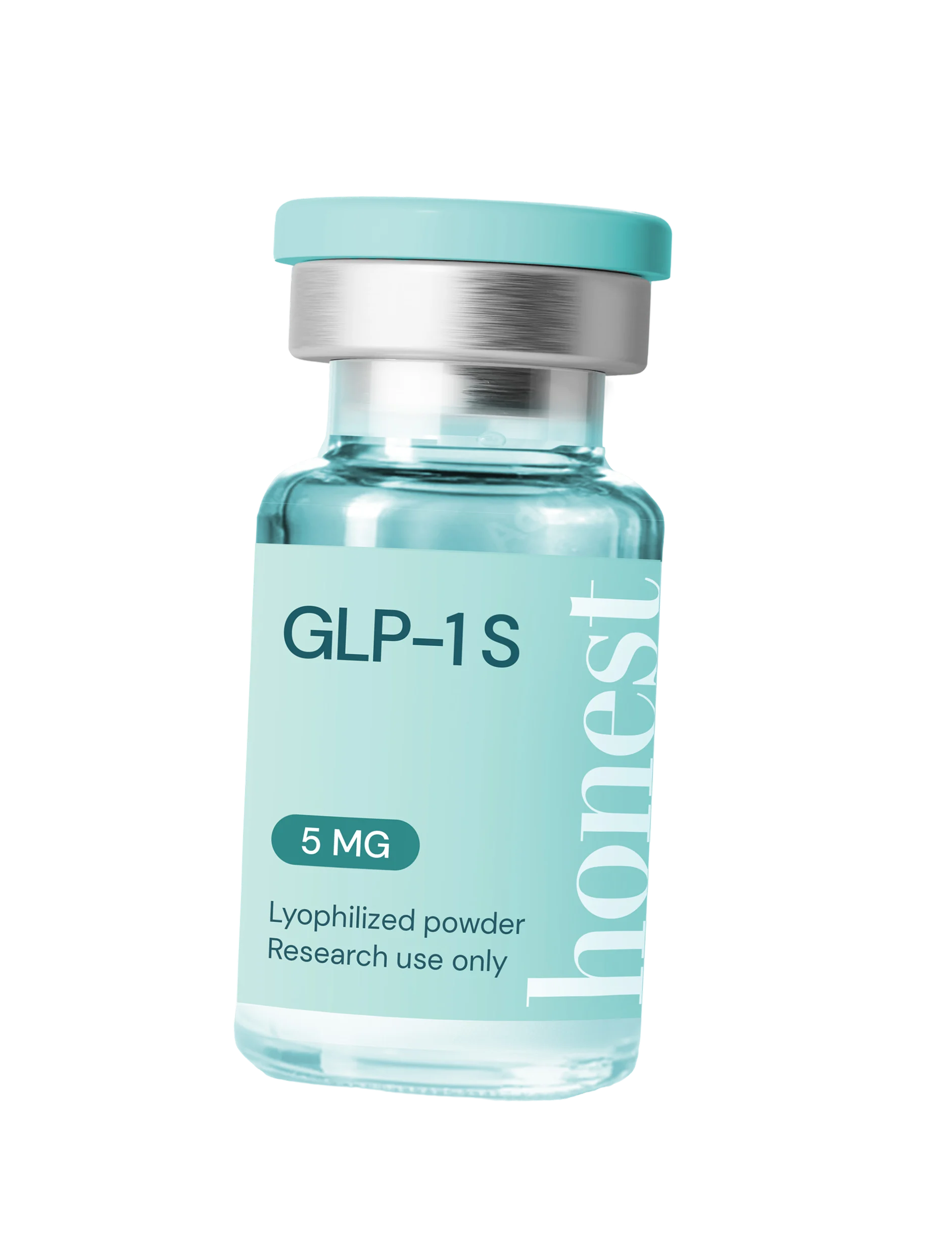
STEP 2
Enter your peptide strength
Enter the peptide strength in your vial. You can select a common amount, such as 1mg, 5mg, 10mg, or 15mg. If your amount isn’t listed, you can manually type in the exact amount.
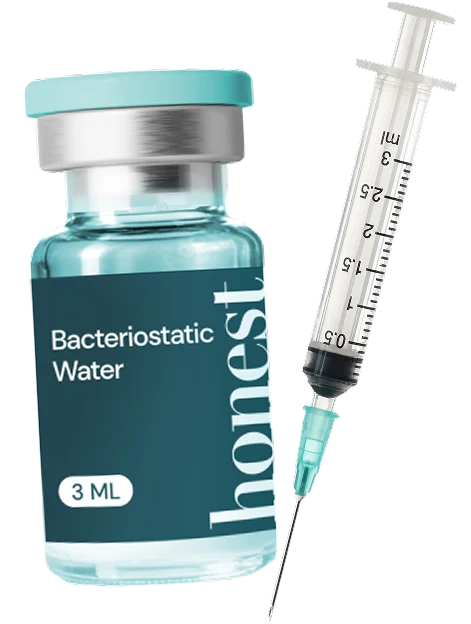
STEP 3
Add your water volume
The volume of water you add affects the concentration of the peptide solution. Enter the amount of water in milliliters (mL).
Dosage Information
AOD-9604
- Low: 200‑300 mcg/day (0.2-0.3mg/day), daily
- Medium: 300‑600 mcg/day (0.3-0.6mg/day), daily
- High: 600‑1,000 mcg/day (0.6-1.0mg/day), daily
Additional Resources:
- 🛒 Buy AOD-9604 Research Peptide
- 🔬 View Current AOD-9604 COA & Testing Data in COA Library
- 🧮 Open Dedicated AOD-9604 Reconstitution Calculator (coming soon)
- 📖 Learn More about AOD-9604
BPC-157
- Low: 200‑300 mcg/day (0.2-0.3mg/day), once daily
- Medium: 300‑500 mcg/day (0.3-0.5mg/day), can be once or split across two
- High: 500‑1,000 mcg/day (0.5-1.0mg/day), split across two
Additional Resources:
- 🛒 Buy BPC-157 Research Peptide
- 🔬View Current BPC-157 COA & Testing Data in COA Library
- 🧮 Open Dedicated BPC-157 Reconstitution Calculator (coming soon)
- 📖 Learn More about BPC-157
BPC-157/TB-500 Blend
- Low: 300‑400 mcg/day (0.3-0.4mg/day), once daily
- Medium: 400‑600 mcg/day (0.4-0.6mg/day), can be once or split across two
- High: 700‑1,200 mcg/day (0.7-1.2mg/day), split across two
Additional Resources:
- 🛒 Buy BPC-157/TB-500 Blend Research Peptide
- 🔬View Current BPC-157/TB-500 COA & Testing Data in COA Library
- 🧮 Open Dedicated BPC-157 /TB-500 Blend Reconstitution Calculator (coming soon)
CJC-1295 (No Dac)
- Low: 100‑200 mcg/day (0.1-0.2mg/day), once daily
- Medium: 200‑300 mcg/day (0.2-0.3mg/day), once daily
- High: 300‑400 mcg/day (0.3-0.4mg/day), once daily
Additional Resources:
- 🛒 Buy CJC-1295 Research Peptide
- 🔬View Current CJC-1295 COA & Testing Data in COA Library
- 🧮 Open Dedicated CJC-1295 Reconstitution Calculator (coming soon)
- 📖 Learn More about CJC-1295
DSIP (Delta Sleep‑Inducing Peptide)
- Low: 100‑200 mcg (0.1-0.2mg) before sleep
Medium: 200‑300 mcg (0.2-0.3mg) before sleep - High: 300‑500 mcg (0.3-0.5mg) before sleep
Additional Resources:
- 🛒 Buy DSIP Research Peptide (Shop Product)
- 🔬 View Current DSIP COA & Testing Data in COA Library
- 🧮 Open Dedicated BPC-157 Reconstitution Calculator (coming soon)
- 📖 Learn More about DSIP
GHK‑Cu (Copper Peptide)
- Low: 1‑2 mg/day, daily
Medium: 2‑3 mg/day, daily - High: 3‑5 mg/day, daily
Additional Resources:
- 🛒 Buy GHK-CU Research Peptide (Shop Product)
- 🔬View Current GHK-CU COA & Testing Data in COA Library
- 🧮 Open Dedicated GHK-CU Reconstitution Calculator (coming soon)
- 📖 Learn More about GHK-CU
GLOW Blend
- Low: 1mg/day, daily
- Medium: 2mg/day, daily
- High: 5mg/day, daily
Additional Resources:
- 🛒 Buy GLOW Blend Research Peptide (Shop Product)
- 🔬View GLOW Blend COA & Testing Data in COA Library
- 🧮 Open Dedicated GLOW Blend Reconstitution Calculator (coming soon)
Ipamorelin
- Low: 100 mcg/day (0.1mg/day), daily
- Medium: 200 mcg/day (0.2mg/day), daily
- High: 300 mcg/day (0.3mg/day) , daily
Additional Resources:
- 🛒 Buy Ipamorelin Research Peptide (Shop Product)
- 🔬View Current Ipamorelin COA & Testing Data in COA Library
- 🧮 Open Dedicated Ipamorelin Reconstitution Calculator (coming soon)
- 📖 Learn More about Ipamorelin
MOTS‑C
- Low: 5 mg/week, weekly
- Medium: 5‑10 mg/week, weekly
- High: 10‑15 mg/week, weekly
Additional Resources:
- 🛒 Buy MOTS-C Research Peptide
- 🔬View MOTS-C COA & Testing Data in COA Library
- 🧮 Open Dedicated MOTS-C Reconstitution Calculator (coming soon)
- 📖 Learn More about MOTS-C
Melanotan 2
- Low: 100‑250 mcg/day (0.1-0.25mg/day), daily
- Medium: 250‑500 mcg/day (0.25-0.5mg/day), daily
- High: 500‑1,000 mcg/day (0.5-1.0mg/day), daily
Additional Resources:
- 🛒 Buy Melanotan-2 Research Peptide
- 🔬View Current Melanotan-2 COA & Testing Data in COA Library
- 🧮 Open Dedicated Melanotan-2 Reconstitution Calculator (coming soon)
- 📖 Learn More about Melanotan-2
NAD+
- Low: 250 mg/week, weekly
- Medium: 500 mg/week, weekly
- High: 500‑1,000 mg/week, weekly
Additional Resources:
- 🛒 Buy NAD+ Research Peptide (Shop Product)
- 🔬View NAD+ COA & Testing Data in COA Library
- 🧮 Open Dedicated NAD+ Reconstitution Calculator (coming soon)
- 📖 Learn More about NAD+
Retatrutide
- Low: 2‑4 mg/week, weekly
- Medium: 4‑8 mg/week, weekly
- High: 8‑12 mg/week, weekly
Additional Resources:
Semaglutide
- Low: 0.25 mg/week, weekly
- Medium: 0.5‑1.0 mg/week, weekly
- High: 1.0‑2.4 mg/week, weekly
Additional Resources:
TB‑500
- Low: 2 mg/week, weekly
- Medium: 2‑5 mg/week, weekly
- High: 5‑10 mg/week, weekly
Additional Resources:
- 🛒 Buy TB-500 Research Peptide (Shop Product)
- 🔬View TB-500 COA & Testing Data in COA Library
- 🧮 Open Dedicated TB-500 Reconstitution Calculator (coming soon)
- 📖 Learn More about TB-500
Tirzepatide
- Low: 2.5 mg/week, weekly
- Medium: 5‑10 mg/week, weekly
- High: 10‑15 mg/week, weekly
Additional Resources:
Shop peptides








Shop categories
Research deeper
Peptide insights & analysis.
